
Rs1.6 billion collected daily from working Pakistanis.
Key Takeaways:
- Pakistan’s salaried class paid Rs420 billion in income tax during July to March FY26, a 7.5 per cent increase from Rs391 billion in the same period last year, according to provisional FBR data.
- Real estate contributed Rs197 billion in withholding taxes in the same period, less than half what salaried workers paid, despite the government now considering significant property tax cuts in the upcoming budget.
- The government is weighing tax relief for the salaried class in the FY27 budget, but any reduction faces constraints under Pakistan’s IMF programme commitments.
Islamabad, Pakistan – While Pakistan’s policymakers debate fiscal relief and budget priorities, one number tells a blunt story: the country’s salaried workers are paying Rs1.6 billion in income tax every single day.
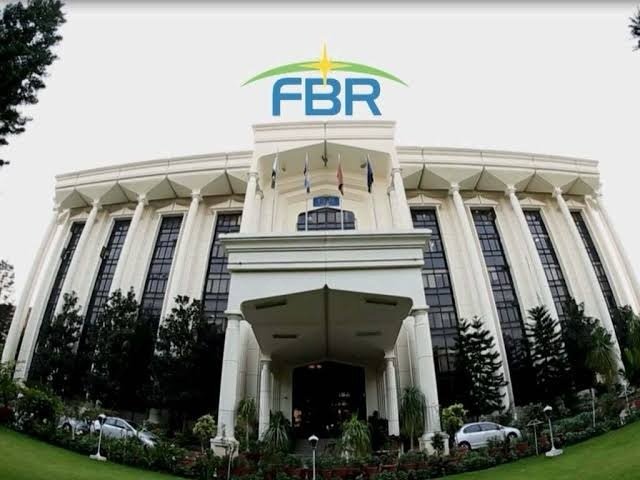
The Express Tribune reported that Pakistan’s salaried class paid Rs420 billion in income tax during the July-March period of the current fiscal year, according to provisional data compiled by the Federal Board of Revenue, which was Rs29 billion or 7.5 per cent more than the already higher base of Rs391 billion recorded in the same period of the last fiscal year.
The same report noted that the salaried class’s economic hardships have heightened, as on one hand it is forced to cough up higher taxes, and on the other it is facing the brunt of an increase in petrol prices and other household expenses due to the Middle East conflict.
Pakistan’s salaried workers are paying Rs1.6 billion in tax every day. They have no offshore accounts, no legal workarounds and nowhere to hide. They are the easiest people to tax, and the government knows it.
For comparison, The Express Tribune reported that tax contributions by salaried persons in both the public and private sectors remained more than double the taxes paid by the real estate sector, with the government collecting Rs197 billion in withholding taxes from that sector during the first nine months, up 17 per cent.
The disparity is not new. Dawn reported that Finance Minister Muhammad Aurangzeb acknowledged in last year’s budget that the salaried workforce was facing the highest taxes in the region and that there was a fear of brain drain, saying the government was aware of the problem and committed to making taxes fairer.
Those commitments have yet to translate into meaningful relief. With the FY27 budget approaching, The Express Tribunereported that Prime Minister Shehbaz Sharif has already expressed a desire to abolish the one per cent deemed income tax on properties, and there are proposals to reduce withholding taxes on property transactions under Sections 236C and 236K, cut rates on plot sales from 4.5 per cent to 1.5 per cent, and abolish transaction taxes on first ownership of a home or plot of up to one kanal.
The real estate sector paid less than half what salaried workers contributed in nine months. If the next budget cuts property taxes further while leaving salaries untouched, it will be a hard sell to anyone drawing a monthly payslip.
Whether the FY27 budget delivers on its promised relief or is constrained by IMF conditions remains the central question for millions of working Pakistanis quietly paying their dues every day.