

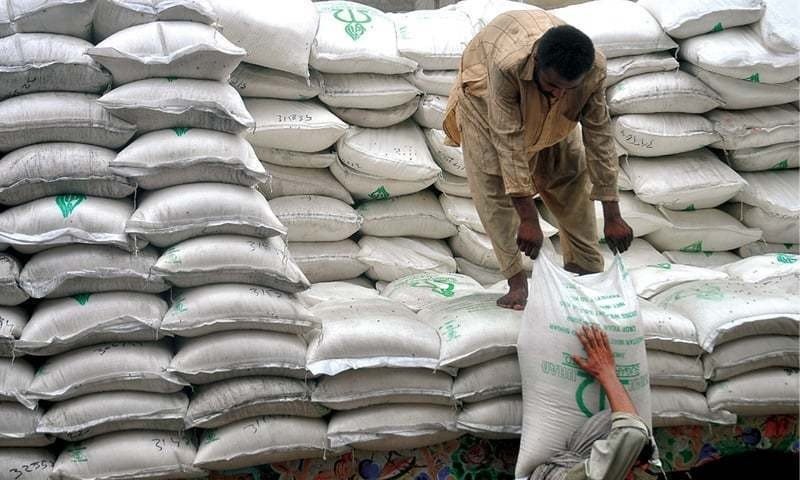
Pakistan Sugar Mills Association demands immediate approval to export 767,000 tons of surplus sugar, citing losses & a $500 million forex opportunity.
Key Takeaways:
- PSMA’s formal letter warns mills are bleeding losses as sugar prices fall below production costs nationwide.
- The letter cites FBR data showing 7.958M tons availability vs 6.638M tons consumption — a 1.32M ton surplus.
- Exporting the surplus could fetch $400M–$500M in foreign exchange at a time Pakistan faces a heavy oil import bill.
Islamabad, Pakistan – In a strongly worded formal letter addressed to the government, the Pakistan Sugar Mills Association (PSMA) has demanded immediate permission to export surplus sugar produced during the ongoing 2025-26 crushing season, warning that the industry is facing serious financial strain while a significant foreign exchange earning opportunity is being lost.
The letter, issued from the PSMA’s Islamabad headquarters and dated April 8, 2026, lays out a detailed, data-driven case for why the government must act without further delay. The association argues that Pakistan is currently sitting on a sugar surplus of over 1.3 million metric tons, and that even after setting aside a full month’s worth of strategic reserves, a surplus of 767,000 tons remains available for export.
“Even after maintaining an additional one-month strategic reserve, there will still be a surplus of 767,000 tons.” — PSMA spokesperson
To build its case, the PSMA leaned heavily on data from the Federal Board of Revenue. According to FBR data dated March 31, 2026, a total of 7.573 million metric tons of sugar has been produced in the ongoing crushing season that began in November 2025, a figure expected to reach 7.6 million tons once the remaining mills complete their processing. The letter further noted that an estimated 86,809 metric tons of sugar from sugar beet is expected to be produced between April and June 2026, pushing total availability to a projected 7.958 million tons.
On the demand side, the country’s annual sugar supply between November 16, 2024 and November 15, 2025 was 6.476 million tons, translating into average monthly consumption of 539,662 tons. Taking into account a population growth rate of 2.5%, annual sugar consumption is projected to reach 6.638 million tons next year.
The PSMA’s letter does not merely present numbers — it also paints a grim picture of what this surplus is doing to the industry right now. The sugar industry is facing significant challenges in maintaining these excessive stocks amid low demand. Sugar prices are much lower than production costs, primarily due to the continuous increase in sugarcane prices and other production inputs, resulting in losses to the industry, the letter warns, are struggling to service bank loans and meet other financial obligations as a direct consequence.
“Holding such large inventories is creating financial strain, particularly as sugar prices remain below production costs.” — PSMA letter to government
The association also connected its export demand to Pakistan’s broader economic pressures. Owing to the Iran-US conflict, global oil prices are soaring and Pakistan is spending a substantial amount of foreign exchange on oil imports to meet domestic needs. The Express Tribune In this context, the letter argues, the government should allow export of the 767,000 surplus tons, which could generate up to $500 million in foreign exchange.
As reported by The Express Tribune, the PSMA has appealed to the government to immediately export the surplus sugar produced during the current crushing season 2025-26 in order to boost the country’s foreign exchange reserves.
The letter also noted that the previous crushing season had left carry-forward stocks of 271,704 metric tons as of November 15, 2025, comprising 117,541 metric tons of locally produced sugar and 154,163 metric tons of imported sugar.
This is not the first time Pakistan’s sugar industry has found itself in a surplus-driven crisis. In 2025, the government had allowed the export of 765,000 metric tons, a decision that, as reported by The Express Tribune, triggered a local price crisis, driving ex-factory sugar prices up to Rs200 per kg. That episode will likely weigh on policymakers as they consider the PSMA’s latest demand.
The government has yet to respond publicly to the letter.