
Interior minister urges 20–30% of overseas wealth to return to ease forex pressure
Key Takeaways
• Interior Minister Mohsin Naqvi has asked Pakistani business families to bring back at least 20–30% of their overseas wealth, saying $10 billion could flow into Pakistan prior to the federal budget.
• He framed the move as a “patriotic” step, arguing that returns on investment in Pakistan still outperform many global markets if the economy stabilises.
• The appeal comes amid tight foreign‑exchange reserves and a government push to shore up confidence before the next budget, with business leaders signaling cautious but conditional support.
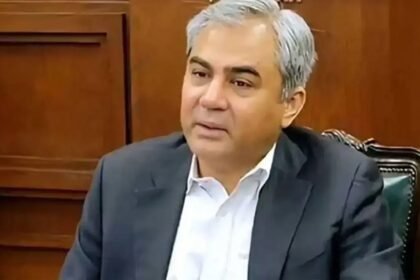
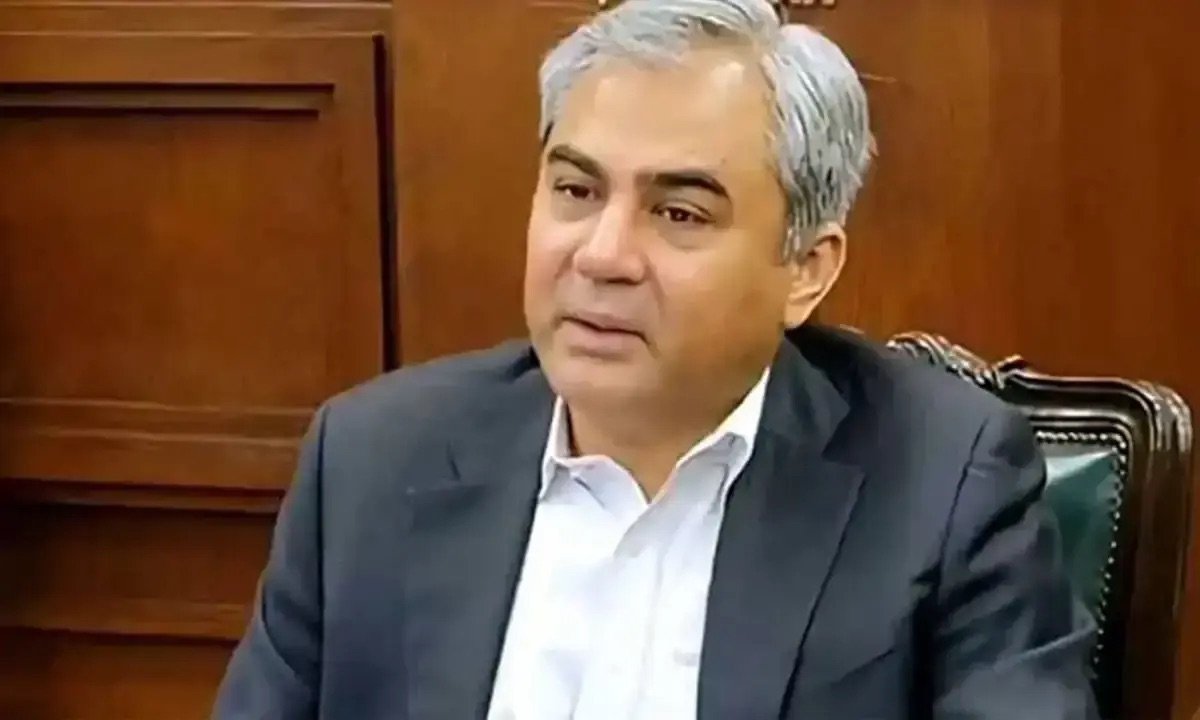
Karachi, Pakistan – Interior Minister Mohsin Naqvi has appealed to Pakistan’s business community to repatriate at least 20–30% of their overseas holdings, suggesting that roughly $10 billion could return to the country if business families act before the upcoming federal budget. Speaking at an engagement with the Karachi Chamber of Commerce & Industry, Naqvi urged industrialists and trade bodies to view the move as a “patriotic contribution” that can help ease pressure on foreign‑exchange reserves and support the country’s macroeconomic adjustment.
Naqvi emphasised that Pakistan’s real return on investment remains attractive compared with many other economies, once imported inflation and currency volatility are brought under control. He argued that bringing back a portion of offshore wealth would not only signal confidence in the domestic economy but could also help ease the government’s financing burden as it seeks to stabilise the rupee and reduce reliance on external borrowing. A number of business leaders present at the meeting acknowledged Pakistan’s upside but flagged lingering concerns over policy continuity, tax ambiguity, and security risks as key hurdles.
Analysts say the $10 billion figure is aspirational rather than binding, but even a partial inflow of 5–7 billion dollars could materially improve sentiment and help the State Bank of Pakistan manage the current‑account gap.
The call dovetails with Finance Minister Muhammad Aurangzeb’s broader outreach to the private sector ahead of the budget, where the government is trying to balance revenue‑raising with growth‑friendly measures. Advisers to the ministry have privately indicated that a visible inflow of business capital ahead of the budget could strengthen the government’s hand in resisting additional tax hikes or fresh levies that have historically hurt the business community.
Analysts say the $10 billion figure is aspirational rather than binding, but even a partial inflow of 5–7 billion dollars could materially improve sentiment and help the State Bank of Pakistan manage the current‑account gap. The chamber and other business bodies have promised to circulate Naqvi’s appeal among their members and come back with a response, while reiterating that any large‑scale repatriation will require a clear roadmap on tax policy, regulatory stability, and judicial protection of property rights.
From a Pakistani‑economy perspective, the message is clear: the government needs private‑sector capital to share the burden of adjustment, and the business community is being asked to make a visible show of confidence in the coming weeks. Whether that translates into a measurable surge in foreign‑exchange inflows or remains largely symbolic will depend on how quickly Islamabad can convert political appeals into concrete policy guarantees.