
Pakistan’s benchmark index swings on Middle East peace hopes, oil‑linked risks, and IMF‑friendly sentiment
Key Takeaways
• Geopolitics drives PSX: Recent multi‑thousand‑point jumps in the KSE‑100 have been directly tied to hope of a US–Iran peace deal and lower oil prices, while failed talks have triggered sharp sell‑offs.
• Oil and IMF linkage: Any breakthrough in Washington–Tehran talks could ease Pakistan’s oil‑import burden and help unlock IMF tranche disbursements, supporting both the rupee and local equities.
• Pakistani‑market sensitivities: Despite the external driver, domestic factors like banking‑sector deposits, credit growth, and government revenue collection remain key in anchoring long‑term investor confidence on the PSX.
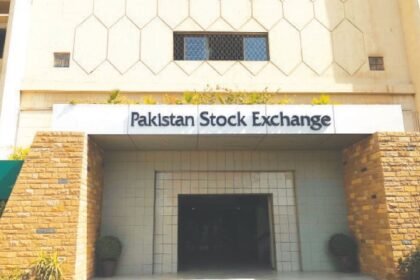
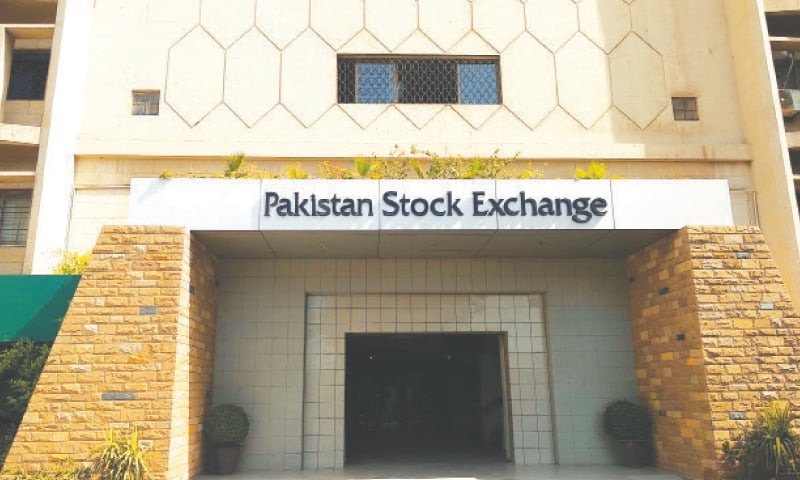
Karachi, Pakistan – Pakistan’s KSE‑100 index has quietly morphed into a barometer of US–Iran diplomacy, with analysts warning that the next leg of the rally – or a sharp reversal – will be decided not in Pakistan but in the corridors of Washington, Tehran, and the Gulf. Investors at the Pakistan Stock Exchange (PSX) are now pricing in a “deal‑or‑no‑deal” scenario, even as the government scrambles to keep macro indicators – oil‑linked levies, external financing, and IMF disbursements – in check amid volatile regional tensions.
How a US–Iran Deal Is Shaping the KSE‑100
Analysts at local brokerage houses say the KSE‑100’s recent surge toward the 173,000–174,000 zone has been largely steered by optimism that a US–Iran agreement could end or freeze the Middle East conflict, curb oil‑price spikes, and ease shipping disruptions through the Strait of Hormuz. When de‑escalation signals surface, the PSX has repeatedly recorded broad‑based rallies, with banking, cement, energy, and fertiliser heavyweights leading the charge and lifting the index by thousands of points in a single session.
Conversely, when talks stall or hostilities flare – such as Tehran’s renewed closure of the Strait of Hormuz or renewed US‑led port blockades – the KSE‑100 has plunged by 5,000–6,000 points in a matter of days, reflecting traders’ fear of higher oil‑import costs, rupee pressure, and a tougher IMF program. Traders are now positioning around the same variables economists watch: Brent crude levels, the cost of tankers rerouting, and the quantum of Pakistan’s monthly petroleum levy collections, which have already crossed Rs180 billion in just six weeks amid regional tensions.
Why Pakistan’s Economy Feels This Acutely
For Pakistan, a stable US–Iran deal could mean lower oil‑import bills, softer fuel‑subsidy and tariff‑adjustment pressures, and a reprieve for the balance of payments, which in turn lifts the PSX’s risk appetite. Easing oil prices and regional calm would also make it easier for the authorities to secure timely IMF tranches and maintain access to bridge financing from Gulf partners, removing one of the market’s biggest tail risks.
Domestically, banks’ deposits have expanded to around Rs37.5 trillion in March 2026, while advances and investments have grown double‑digit, suggesting that a prolonged period of calm and growth could push more household savings into equities and mutual funds, further reinforcing the KSE‑100’s upside. However, analysts caution that if the US–Iran dynamic re‑heats or oil quickly spikes again, the PSX could see sharp sector rotations, with defensive names such as utilities and telecom outperforming volatile energy and banking stocks.
Policy and Market‑Sentiment Risks in Pakistan
Brokerage house analyses cited in the report note that while geopolitics is the primary driver right now, Pakistan’s own policy execution – including the pace of tax‑revenue collection, management of the petroleum levy, and the handling of public‑sector debt – will determine how much of the global rally the PSX can sustain. If the government succeeds in keeping oil‑linked shocks manageable and honoring its IMF commitments, the KSE‑100 could remain above the 170,000 mark; failure on either front could trigger a multi‑week correction even if Washington and Tehran reach a deal.
So far, the narrative around Islamabad‑based mediation efforts and regional de‑escalation has helped PSX valuations outpace many emerging‑market peers, but traders warn this is a “conditional bull” run that remains hostage to headlines out of the Middle East more than to any single Pakistani policy decision.
Disclaimer: This report is for informational purposes and does not necessarily reflect the views of ‘Money Matters Pakistan’. We welcome any corrections or alternative viewpoints from our readers to ensure a balanced perspective.