
A shift toward electric mobility and solar power could slash travel costs by 90 percent: Atif Mian
Key Takeaways
• Cost Efficiency: Solar power can reduce the cost of travel to Rs 30 per equivalent litre by utilizing Pakistan high solar potential.
• Policy Failure: Current high prices reflect a broken system that prioritized imported fuels and guaranteed returns over domestic investment.
• Economic Growth: Transitioning to EVs and decentralized solar could unlock private credit, create local jobs, and ease balance of payments.
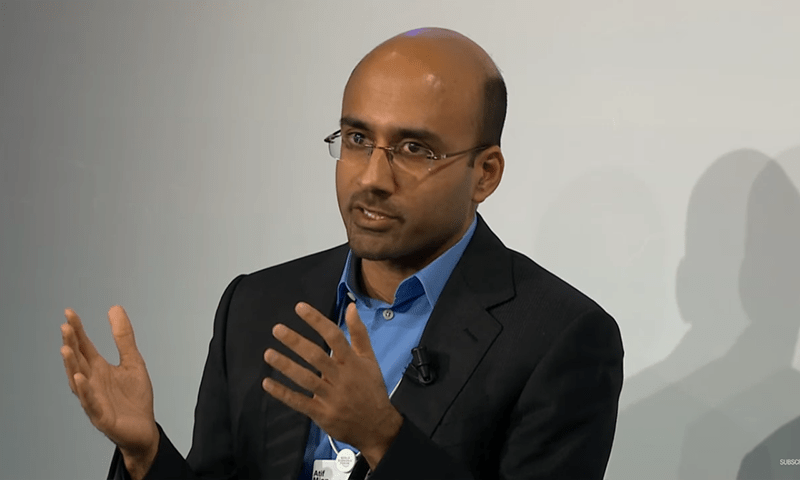
Money Matters Monitoring – In a recent 𝕏 post, economist Atif Mian argued that while the idea of petrol at Rs 30 per litre sounds like a fantasy, it is a mathematical reality currently blocked by deep seated policy failures. He pointed out that the average Pakistani motorcycling 60 km on a litre of petrol could cover that same distance using just 2 kWh of electricity on an efficient electric scooter. Given Pakistan’s high solar potential, where the levelized cost of energy is around 5 cents per kWh, the actual cost to travel that distance should be roughly Rs 30.
Mian described the massive gap between the current Rs 300 price and the potential Rs 30 cost as the price of bad policy. He noted that instead of building a nervous system for charging infrastructure, battery swapping, and smart pricing, Pakistan chose to lean into large fossil fuel plants. These projects, often financed by dollar denominated debt with guaranteed returns, have left the country burdened with fixed costs and heavy taxation that now actively slow down the adoption of cheaper electric vehicles.
“The 300-versus-30 gap is the cost of bad policy”: Atif Mian
The economist further highlighted that solar power is modular, meaning it does not require massive scale to be efficient. This characteristic could have unlocked business opportunities for small domestic power producers and local firms, creating a natural cash flow through grid sales. Instead, Mian argued that the government protected a backward looking auto sector and prioritized keeping zombie power plants alive, a strategy he punctuated by citing the recent net metering fiasco as a primary example of a broken system.
Disclaimer: This report is for informational purposes and does not necessarily reflect the views of ‘Money Matters Pakistan’. We welcome any corrections or alternative viewpoints from our readers to ensure a balanced perspective.