

Diversifying Funding Amid Economic Recovery and Regional Tensions
Key Takeaways
• Pakistan’s first $250 million Panda bond next week marks entry into China’s onshore market, part of a $1 billion program backed by ADB and AIIB.
• Economy shows recovery via rising exports and remittances despite Iran war and Strait of Hormuz risks straining fuel imports.
• IMF’s $1.32 billion infusion aids reserves as Pakistan eyes Eurobonds and Saudi $3 billion support post-UAE rollover.
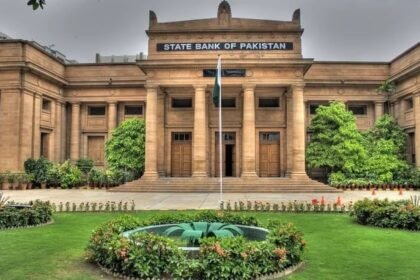
Islamabad, Pakistan – Pakistan stands on the brink of a financial milestone, with Finance Minister Muhammad Aurangzeb announcing that the country will access Chinese capital markets for the first time next week via a $250 million yuan-denominated Panda bond. This inaugural issuance kicks off a broader $1 billion program backed by heavyweights like the Asian Development Bank (ADB) and the Asian Infrastructure Investment Bank (AIIB), signaling Islamabad’s push to tap China’s vast onshore market for much-needed foreign exchange amid ongoing economic stabilization efforts.[nikkei +1]
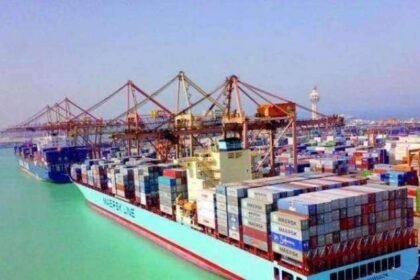
For Pakistan’s economy, heavily reliant on imports for fuel and gas, this move couldn’t come at a better time. Aurangzeb highlighted positive signs of recovery, including surging exports and remittances, even as regional disruptions like the war in Iran and the potential closure of the Strait of Hormuz threaten supply chains critical to the nation’s energy security. This development follows the IMF’s recent release of $1.32 billion in fresh funding across two programs, bolstering reserves while Pakistan explores Eurobonds and commercial debt to roll over a $3.5 billion UAE facility—until Saudi Arabia steps in with an additional $3 billion lifeline.
From a Pakistani perspective, the Panda bond not only diversifies funding away from traditional dollar debt but also strengthens CPEC ties, potentially easing the trade imbalance with China and supporting rupee stability on Money Matters Pakistan’s watchlist for investors eyeing South Asian opportunities.
Disclaimer
This report is for informational purposes and does not necessarily reflect the views of ‘Money Matters Pakistan’. We welcome any corrections or alternative viewpoints from our readers to ensure a balanced perspective.