By using this site, you agree to the Privacy Policy and Terms of Use.
Accept
Money Matters PakistanMoney Matters PakistanMoney Matters Pakistan
  • Home
  • About us
  • Latest
  • News Categories
    • Pakistan Regional Trade & Ties
    • Debt Matters
    • Budget & Taxation
    • Food & Agriculture Economy
    • Public Sector Enterprises
    • Pakistan Economy
    • Exports
    • IMF Matters
    • Energy and Power
    • Analyses/Guest Posts
  • Write for us
  • Contact
Reading: Wheat Policies Present Challenges for Pakistani Farmers
Share
Notification Show More
Font ResizerAa
Font ResizerAa
Money Matters PakistanMoney Matters Pakistan
Search
  • Home
  • About us
  • Latest
  • News Categories
    • Pakistan Regional Trade & Ties
    • Debt Matters
    • Budget & Taxation
    • Food & Agriculture Economy
    • Public Sector Enterprises
    • Pakistan Economy
    • Exports
    • IMF Matters
    • Energy and Power
    • Analyses/Guest Posts
  • Write for us
  • Contact
Have an existing account? Sign In
Follow US
Money Matters Pakistan > Blog > Food & Agriculture Economy > Wheat Policies Present Challenges for Pakistani Farmers
Food & Agriculture Economy

Wheat Policies Present Challenges for Pakistani Farmers

Money Matters
Published April 19, 2025
3 Min Read

Government Actions Impact Wheat Value Chain, Food Security

Key Takeaways:

i) Farmers in Pakistan are experiencing difficulties due to limited government support and market complexities.

ii) The value of wheat increases considerably from the farm to the consumer, yet farmers do not proportionally benefit.

iii) Governmental support price strategies and sudden alterations can negatively affect farmers’ earnings and the broader economy.


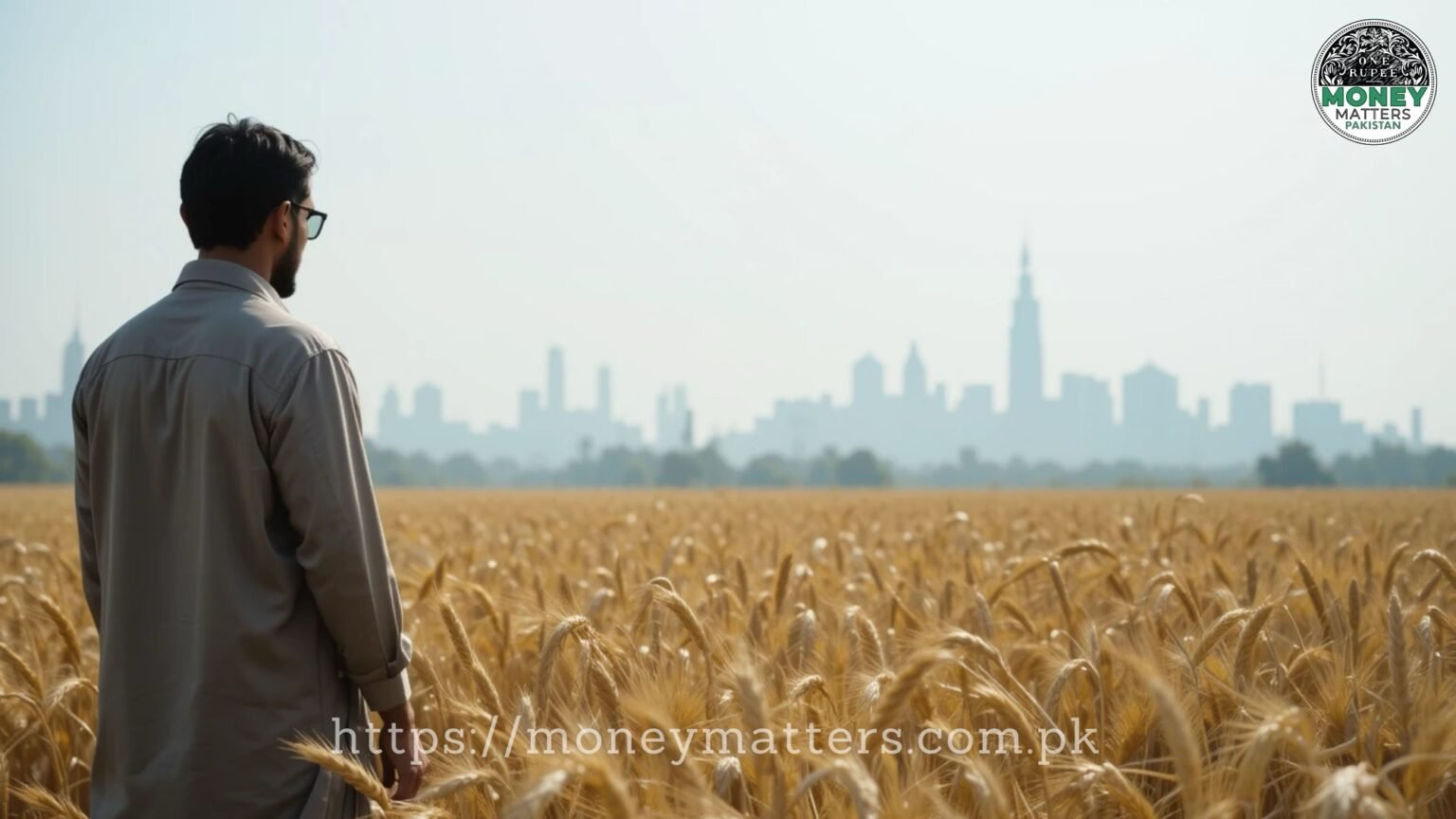
Islamabad, Pakistan – April 19, 2025 – Pakistani wheat farmers are encountering notable economic challenges stemming from governmental policies and market dynamics. An analysis indicates that the absence of robust government support and a well-organized farmer association contributes to the hardships faced by agricultural producers. Furthermore, incomplete data regarding production, costs, and sales adds to the complexity of the situation.

The assessment reveals that the value of wheat can rise by as much as 200% from the farmer to the end consumer. However, the primary beneficiaries of this increased value are industries, rather than the farmers themselves. This disparity prompts questions about the equitable distribution of profits within the wheat supply chain.

Governmental policies, particularly those concerning support prices, are also a significant area of concern. It is suggested that support prices may lead to inefficiencies and could incentivize the cultivation of only those crops receiving support. Abrupt and unplanned modifications to these support prices can adversely affect farmers, potentially resulting in financial losses.

The assessment reveals that the value of wheat can rise by as much as 200% from the farmer to the end consumer.

These policies may also have wider economic repercussions. Decreased farmer income could lead to a reduction in demand for goods, potentially impacting GDP growth and contributing to economic deflation. Additionally, there are observations that governmental focus on urban voters might inadvertently disadvantage the interests of farmers.

In conclusion, the circumstances facing wheat farmers in Pakistan are multifaceted, involving matters of governmental policy, market forces, and the overall economic environment. Addressing these challenges is vital for safeguarding food security and promoting the economic well-being of both farmers and the nation.
You Might Also Like

Electric Shock for Millions as Tariffs Soar: Shahbaz Rana 

IMF Highlights Contract Enforcement and Property Rights Issues as Hindrances to Foreign Investment in Pakistan

Bilateral trade between Pakistan & Indonesia increase to $4.511 billion

Pakistan Navigating Complications with the IMF: Editorial

India’s Water Treaty Suspension Threatens Pakistan’s Agricultural Economy

TAGGED:Agriculture news PakistanEconomic challenges Pakistan agriculture.Farmer income declineFarmer issues PakistanFood security PakistanGovernment agricultural policy PakistanInflation Pakistan foodPakistan economyWheat crisis PakistanWheat price Pakistan
Share This Article
Facebook Email Print
Pakistan Economy

Pakistan Achieves Historic Fiscal Deficit Below 1%

May 12, 2026
Remittances

Pakistan Receives $3.5 Billion in Remittances in April — Up 11.4% Year-on-Year

May 11, 2026
Analyses/Guest Posts

“Every Opportunity Became a Business Model for Extraction” — Dr Umar Saif

May 10, 2026
China & CPEC related

Pakistan Eyes Historic Panda Bond Debut in China Next Week

May 10, 2026
Banking sector

SBP Spent $27 Billion Buying Dollars to Build Reserves 

May 8, 2026
  • Home
  • About us
  • Latest
  • News Categories
    • Pakistan Regional Trade & Ties
    • Debt Matters
    • Budget & Taxation
    • Food & Agriculture Economy
    • Public Sector Enterprises
    • Pakistan Economy
    • Exports
    • IMF Matters
    • Energy and Power
    • Analyses/Guest Posts
  • Write for us
  • Contact
Reading: Wheat Policies Present Challenges for Pakistani Farmers
Share

About US

Are you passionate about economics, finance, or business? Whether you’re a journalist digging into the latest economic policies, an expert unraveling market trends, a student eager to share fresh perspectives, or a budding writer with a knack for financial storytelling, we’d love to hear from you at Money Matters.
Pakistan Achieves Historic Fiscal Deficit Below 1%
May 12, 2026
Pakistan Receives $3.5 Billion in Remittances in April — Up 11.4% Year-on-Year
May 11, 2026
“Every Opportunity Became a Business Model for Extraction” — Dr Umar Saif
May 10, 2026
Pakistan Eyes Historic Panda Bond Debut in China Next Week
May 10, 2026
© Money Matters. All Rights Reserved.
Welcome Back!

Sign in to your account

Username or Email Address
Password

Lost your password?

Not a member? Sign Up