
By using this site, you agree to the Privacy Policy and Terms of Use.
Accept
Money Matters PakistanMoney Matters PakistanMoney Matters Pakistan
  • Home
  • About us
  • Latest
  • News Categories
    • Pakistan Regional Trade & Ties
    • Debt Matters
    • Budget & Taxation
    • Food & Agriculture Economy
    • Public Sector Enterprises
    • Pakistan Economy
    • Exports
    • IMF Matters
    • Energy and Power
    • Analyses/Guest Posts
  • Write for us
  • Contact
Reading: Pakistan’s Energy Crossroads: Balancing Growth and Sustainability
Share
Notification Show More
Font ResizerAa
Font ResizerAa
Money Matters PakistanMoney Matters Pakistan
Search
  • Home
  • About us
  • Latest
  • News Categories
    • Pakistan Regional Trade & Ties
    • Debt Matters
    • Budget & Taxation
    • Food & Agriculture Economy
    • Public Sector Enterprises
    • Pakistan Economy
    • Exports
    • IMF Matters
    • Energy and Power
    • Analyses/Guest Posts
  • Write for us
  • Contact
Have an existing account? Sign In
Follow US
Money Matters Pakistan > Blog > Energy and Power > Pakistan’s Energy Crossroads: Balancing Growth and Sustainability
Energy and Power

Pakistan’s Energy Crossroads: Balancing Growth and Sustainability

Money Matters
Published April 6, 2025
3 Min Read

Experts Advocate for Diversified Energy Mix Amidst Economic Challenges


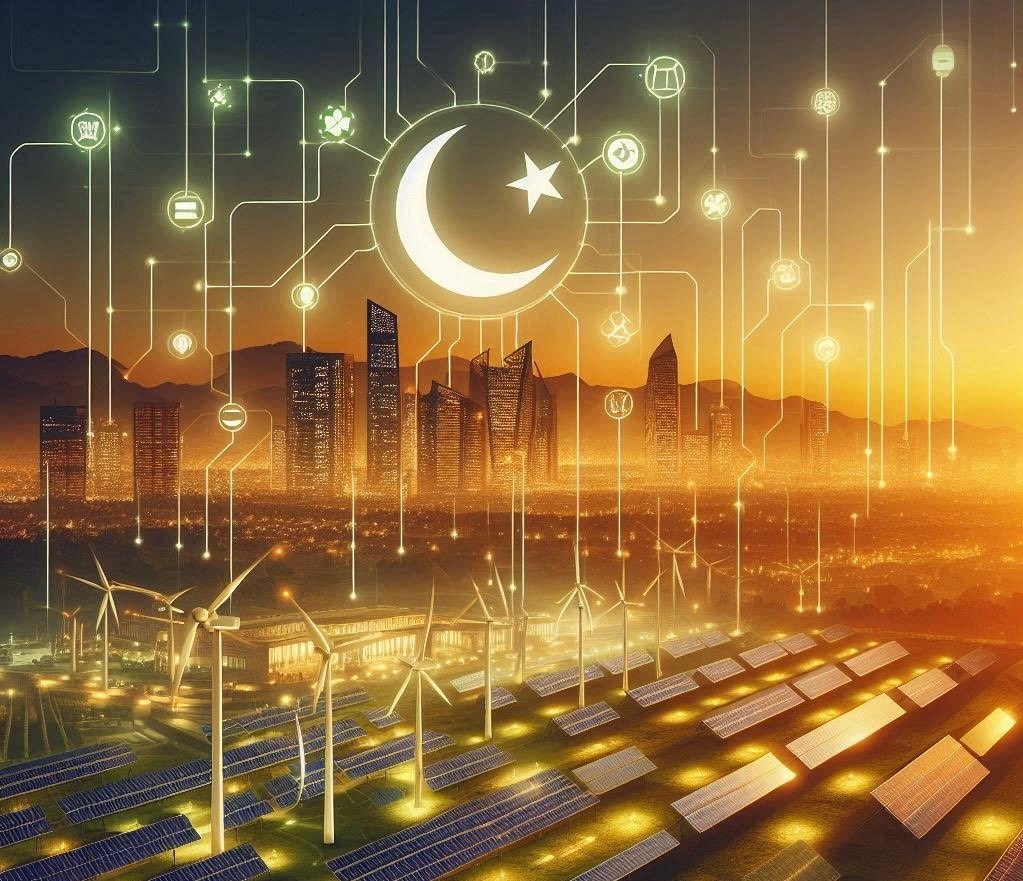
Islamabad, Pakistan – April 6, 2025 – Pakistan’s energy sector stands at a critical juncture, requiring a strategic shift towards a diversified and sustainable mix to fuel economic growth and mitigate environmental impact, according to a recent analysis. In an article titled “Pakistan’s Energy Future,” published in The News on Sunday, author Raza Naeem highlights the nation’s urgent need to address its energy challenges.

Naeem asserts, “Pakistan’s energy security is not just about meeting current demand; it’s about building a resilient system that can support future economic growth while minimizing our carbon footprint.” He points out that the nation’s reliance on fossil fuels, particularly imported ones, has led to significant economic vulnerabilities, exacerbated by fluctuating global prices and currency devaluation.

“The need for a transition towards renewable energy sources like solar and wind is becoming increasingly evident,” Naeem states, emphasizing the potential for these sources to reduce dependence on imports and stabilize energy costs. “However, a balanced approach is crucial, considering the reliability and scalability of different energy options.”

Pakistan’s energy crisis is a complex issue, intertwined with economic instability and infrastructure deficiencies. According to the Pakistan Economic Survey, the country faces persistent energy shortages, impacting industrial productivity and household consumption. Official data from the National Electric Power Regulatory Authority (NEPRA) indicates that transmission and distribution losses remain a significant challenge, contributing to higher electricity tariffs.

Pakistan’s energy future depends on our ability to embrace sustainable practices and make informed choices.

Naeem’s analysis underscores the necessity for policy reforms that promote investment in renewable energy and enhance grid infrastructure. “Investing in smart grids and energy storage solutions can improve efficiency and reduce losses,” he suggests. Furthermore, he emphasizes the importance of energy conservation and demand-side management to alleviate pressure on the supply side.

The article calls for a holistic approach that integrates technological innovation, policy coherence, and public awareness. “Pakistan’s energy future depends on our ability to embrace sustainable practices and make informed choices,” Naeem concludes.


Keywords: Pakistan energy crisis, renewable energy Pakistan, energy policy, economic growth Pakistan, sustainable energy, Raza Naeem, The News on Sunday.
You Might Also Like

Urgent Call for IPPs Contract Cancellation

Pakistan’s Energy Crisis

Economic Resurgence Claimed as Pakistan Eyes Stability

Circular Debt in Pakistan’s Gas Sector Hits Rs2,897 Billion Despite Rising Prices

Pakistan’s Economic Challenges and the Quest for Stability

TAGGED:economic growthenergy infrastructureenergy policygrid modernizationinvestment in energy.Pakistan energy crisisrenewable energysolar power Pakistansustainable energywind energy Pakistan
Share This Article
Facebook Email Print
International News

China Halts Sulfuric Acid Exports, Shaking Global Supply Chains

April 11, 2026
International News

China’s Yuan Payment Network Breaks Records

April 11, 2026
Debt Matters

APTMA Pledges $2B to Cover UAE Deposit Pullout

April 10, 2026
Inflation

Pakistan’s Weekly Inflation Hits 2-Year High at 1.93%

April 10, 2026
Foreign Exchange

Pakistan’s Forex Reserves Hit $16.4bn Before Major Debt Outflows

April 10, 2026
  • Home
  • About us
  • Latest
  • News Categories
    • Pakistan Regional Trade & Ties
    • Debt Matters
    • Budget & Taxation
    • Food & Agriculture Economy
    • Public Sector Enterprises
    • Pakistan Economy
    • Exports
    • IMF Matters
    • Energy and Power
    • Analyses/Guest Posts
  • Write for us
  • Contact
Reading: Pakistan’s Energy Crossroads: Balancing Growth and Sustainability
Share

About US

Are you passionate about economics, finance, or business? Whether you’re a journalist digging into the latest economic policies, an expert unraveling market trends, a student eager to share fresh perspectives, or a budding writer with a knack for financial storytelling, we’d love to hear from you at Money Matters.
China Halts Sulfuric Acid Exports, Shaking Global Supply Chains
April 11, 2026
China’s Yuan Payment Network Breaks Records
April 11, 2026
APTMA Pledges $2B to Cover UAE Deposit Pullout
April 10, 2026
Pakistan’s Weekly Inflation Hits 2-Year High at 1.93%
April 10, 2026
© Money Matters. All Rights Reserved.
Welcome Back!

Sign in to your account

Username or Email Address
Password

Lost your password?

Not a member? Sign Up