
By using this site, you agree to the Privacy Policy and Terms of Use.
Accept
Money Matters PakistanMoney Matters PakistanMoney Matters Pakistan
  • Home
  • About us
  • Latest
  • News Categories
    • Pakistan Regional Trade & Ties
    • Debt Matters
    • Budget & Taxation
    • Food & Agriculture Economy
    • Public Sector Enterprises
    • Pakistan Economy
    • Exports
    • IMF Matters
    • Energy and Power
    • Analyses/Guest Posts
  • Write for us
  • Contact
Reading: Pakistan must return to the IMF to avoid future financial crises: PM Shehbaz Sharif
Share
Notification Show More
Font ResizerAa
Font ResizerAa
Money Matters PakistanMoney Matters Pakistan
Search
  • Home
  • About us
  • Latest
  • News Categories
    • Pakistan Regional Trade & Ties
    • Debt Matters
    • Budget & Taxation
    • Food & Agriculture Economy
    • Public Sector Enterprises
    • Pakistan Economy
    • Exports
    • IMF Matters
    • Energy and Power
    • Analyses/Guest Posts
  • Write for us
  • Contact
Have an existing account? Sign In
Follow US
Money Matters Pakistan > Blog > IMF Matters > Pakistan must return to the IMF to avoid future financial crises: PM Shehbaz Sharif
IMF MattersPakistan Economy

Pakistan must return to the IMF to avoid future financial crises: PM Shehbaz Sharif

Money Matters
Published July 8, 2024
3 Min Read

Key Takeaways:

  • Conversion of 28,000 tube wells in Balochistan to solar energy, costing Rs55 billion.
  • Nationwide plan to switch 10 lakh tube wells to solar energy.
  • Federal and provincial governments must work together to address economic challenges.
  • Educational programs and agricultural training initiatives to enhance development.

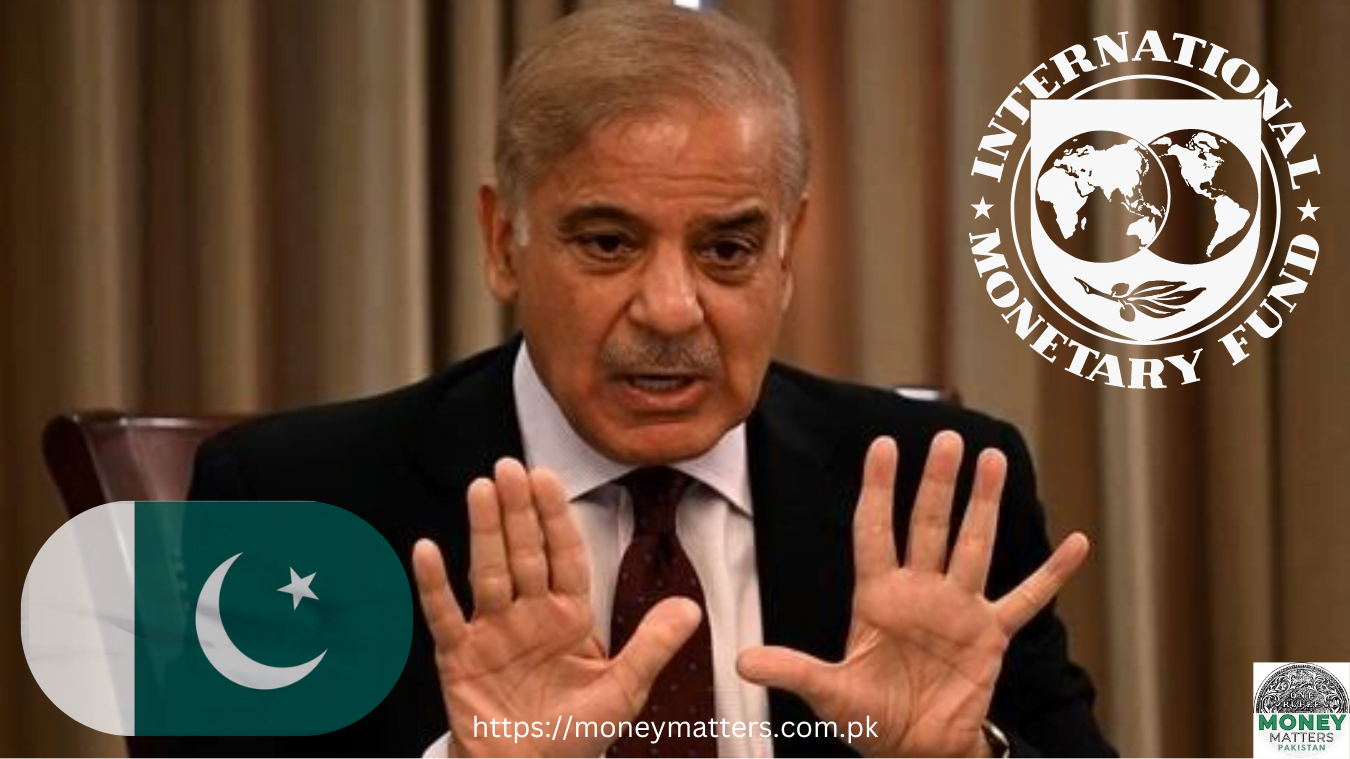
Prime Minister Shehbaz Sharif emphasized on Monday that returning to the International Monetary Fund (IMF) is essential to prevent future financial crises, stating that failure to make tough economic decisions now would result in similar challenges within three years.

During the signing ceremony of the Kisan Package in Quetta, the Prime Minister underscored the critical need to address Pakistan’s economic difficulties. He announced a major initiative to convert 28,000 tube wells in Balochistan to solar energy, a project costing Rs55 billion. The federal government will cover 70% of the costs, while the provincial government will handle the remaining 30%.

PM Shehbaz expressed concern over Balochistan’s developmental lag, pointing out that if Rs500 billion in subsidies had been invested in the province’s growth, the outcomes would have been significantly better. The solar panel project for farmers is part of a broader strategy for sustainable agricultural development.

Expanding on the energy strategy, PM Shehbaz revealed plans to convert 1 million tube wells across the nation to solar power. He stressed the necessity of federal and provincial government cooperation to manage the country’s substantial debt.

In addition to energy reforms, the Prime Minister highlighted federal funding for Danish schools in Balochistan and announced a program to send 1,000 graduates from all provinces to China for agricultural training. Balochistan will receive a 10% higher quota than other provinces in this initiative, aiming to boost agricultural expertise and development.

PM Shehbaz warned that Pakistan’s future generations are burdened by debt and stressed the importance of economic reforms to avoid another IMF intervention, which he described as a “drowning place.” He called for collective efforts to improve the nation’s economic situation and pledged to eliminate terrorism.

The Prime Minister also affirmed the government’s commitment to developing Gwadar into a world-class port, highlighting its potential benefits over the Rekodic mines.
You Might Also Like

IMF Warns Pakistan of Increased Vulnerability Amid Global Trade Tensions

IPP Contracts To Be Challenged In Supreme Court

China’s BRETC Boosts Pakistan’s Hopes for Enhanced Economic Ties

IMF Criticizes Pakistan’s Power Contracts, Stresses Economic Reforms

Pakistan’s Inflation Woes: A Perfect Storm Brewing

TAGGED:Balochistan developmentIMF bailoutMoney Matters PakistanPakistan economic reformPakistan economyPakistan IMF conditionssolar energy initiative
Share This Article
Facebook Email Print
Leave a Comment

Leave a Reply

You must be logged in to post a comment.

Pakistan Economy

Pakistan Achieves Historic Fiscal Deficit Below 1%

May 12, 2026
Remittances

Pakistan Receives $3.5 Billion in Remittances in April — Up 11.4% Year-on-Year

May 11, 2026
Analyses/Guest Posts

“Every Opportunity Became a Business Model for Extraction” — Dr Umar Saif

May 10, 2026
China & CPEC related

Pakistan Eyes Historic Panda Bond Debut in China Next Week

May 10, 2026
Banking sector

SBP Spent $27 Billion Buying Dollars to Build Reserves 

May 8, 2026
  • Home
  • About us
  • Latest
  • News Categories
    • Pakistan Regional Trade & Ties
    • Debt Matters
    • Budget & Taxation
    • Food & Agriculture Economy
    • Public Sector Enterprises
    • Pakistan Economy
    • Exports
    • IMF Matters
    • Energy and Power
    • Analyses/Guest Posts
  • Write for us
  • Contact
Reading: Pakistan must return to the IMF to avoid future financial crises: PM Shehbaz Sharif
Share

About US

Are you passionate about economics, finance, or business? Whether you’re a journalist digging into the latest economic policies, an expert unraveling market trends, a student eager to share fresh perspectives, or a budding writer with a knack for financial storytelling, we’d love to hear from you at Money Matters.
Pakistan Achieves Historic Fiscal Deficit Below 1%
May 12, 2026
Pakistan Receives $3.5 Billion in Remittances in April — Up 11.4% Year-on-Year
May 11, 2026
“Every Opportunity Became a Business Model for Extraction” — Dr Umar Saif
May 10, 2026
Pakistan Eyes Historic Panda Bond Debut in China Next Week
May 10, 2026
© Money Matters. All Rights Reserved.
Welcome Back!

Sign in to your account

Username or Email Address
Password

Lost your password?

Not a member? Sign Up