
Despite a month-on-month dip from March’s Eid-driven peak, April’s inflow keeps Pakistan firmly on track for a record-breaking $41 billion in remittances for FY26 — even as the Middle East conflict casts a shadow over future inflows.
Key Takeaways:
- Workers’ remittances clocked $3.5 billion in April 2026 — up 11.4% year-on-year — though down 7.6% from March’s $3.83 billion seasonal peak driven by Ramadan and Eid spending.
- Cumulative remittances for 10MFY26 now stand at approximately $33.8 billion, keeping Pakistan on course for the government’s target of over $41 billion for the full fiscal year.
- Analysts warn the Middle East conflict poses a growing risk to future inflows, as disrupted oil revenues in Gulf states could lead to job losses among the Pakistani diaspora that provides the bulk of remittances.
Karachi, Pakistan – Pakistan’s overseas workers continued to send money home at a robust pace in April 2026, with remittance inflows reaching $3.5 billion — marking an 11.4% increase over the same month last year, even as the figure dipped from March’s seasonal peak.
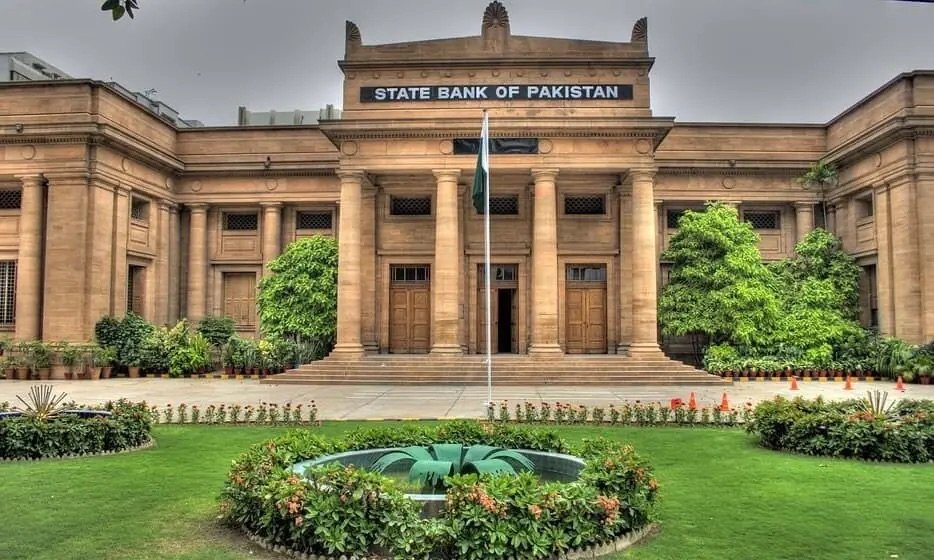
In a recent post on X, the State Bank of Pakistan (SBP) confirmed that workers’ remittances recorded an inflow of $3.5 billion during April 2026, showing an increase of 11.4% on a year-on-year basis, while declining 7.6% on a month-on-month basis.
The month-on-month decline is expected and seasonal. March’s $3.83 billion reading was driven by a surge in Ramadan and Eid-related transfers from overseas Pakistanis — a pattern seen consistently in previous years. April’s $3.5 billion, by contrast, represents a normalisation after that seasonal peak rather than a structural deterioration.
Pakistan is on track for $41 billion in remittances this year. That is an extraordinary number — and an extraordinary vulnerability if the Middle East conflict deepens.
Trajectory Toward a Record Year
The numbers keep Pakistan firmly on course for a landmark full-year figure. Finance Minister Muhammad Aurangzeb has projected remittances will exceed $41 billion this fiscal year, up from $38 billion last year — crediting growing confidence among overseas Pakistanis and improved macroeconomic stability. With 10 months of FY26 now complete and cumulative inflows approaching $33.8 billion, reaching the $41 billion target requires averaging approximately $3.6 billion per month in the remaining two months — a stretch but not an impossibility given the trajectory.
Remittances have been one of Pakistan’s most reliable external anchors throughout the current economic stabilisation programme. In March 2026, the $3.83 billion peak contributed directly to a current account surplus of $1.07 billion — a figure that helped Pakistan demonstrate external sector resilience to the IMF ahead of its fourth tranche disbursement.
The Gulf Shadow
However, analysts are watching the Middle East situation closely. The largest inflows historically come from Saudi Arabia and the UAE, which together account for over 40% of Pakistan’s total remittance receipts. Experts warn that prolonged conflict in the region could lead to job losses among overseas Pakistanis, which would significantly affect inflow trajectories in the months ahead.
At $3.5 billion in April alone, Pakistan’s overseas workers are doing more for the country’s external account than most government programmes. The question is how long the Gulf can sustain their jobs.
Remittances currently make up roughly 7 to 8 percent of Pakistan’s GDP, providing a crucial cushion for foreign exchange reserves. Analysts caution, however, that dependence on remittances has limitations — and that Pakistan must expand exports, industrial output and domestic investment to reduce vulnerability to any changes in diaspora behaviour.
For now, April’s $3.5 billion holds the line — and the line is holding well.
Disclaimer:
This report is for informational purposes and does not necessarily reflect the views of ‘Money Matters Pakistan’. We welcome any corrections or alternative viewpoints from our readers to ensure a balanced perspective.