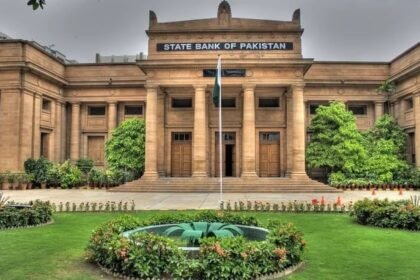

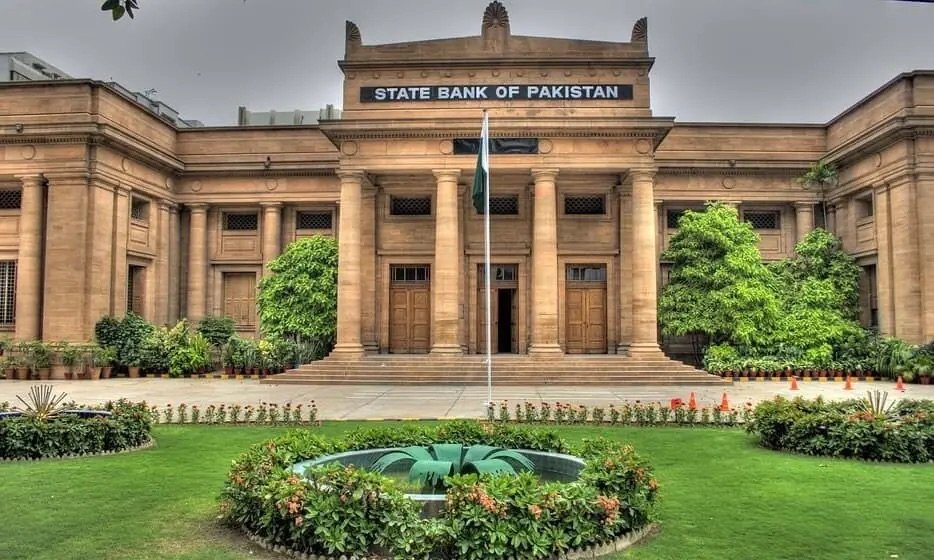
The State Bank raises the policy rate by 100 basis points to 11.5% as war-driven oil price surges push inflation above target.
Key Takeaways:
- The SBP has raised the policy rate by 100 basis points to 11.5% effective April 28 — the first hike in nearly three years — as inflation breached the central bank’s 5-7% target range and threatens to climb further.
- The decision reverses a dramatic easing cycle that began in June 2024 and cumulatively cut rates by 1,150 basis points from a record high of 22%.
- Rising oil prices triggered by the US-Iran conflict and a sharp surge in short-term inflation to 14% in the week ending April 23 were the primary catalysts behind the tightening move.
Karachi, Pakistan – Pakistan’s central bank has delivered its most consequential monetary policy decision in years, raising the benchmark interest rate by a full 100 basis points to 11.5% — a move that signals a decisive pivot away from the prolonged easing cycle that defined the past two years and marks the first rate hike since mid-2023.
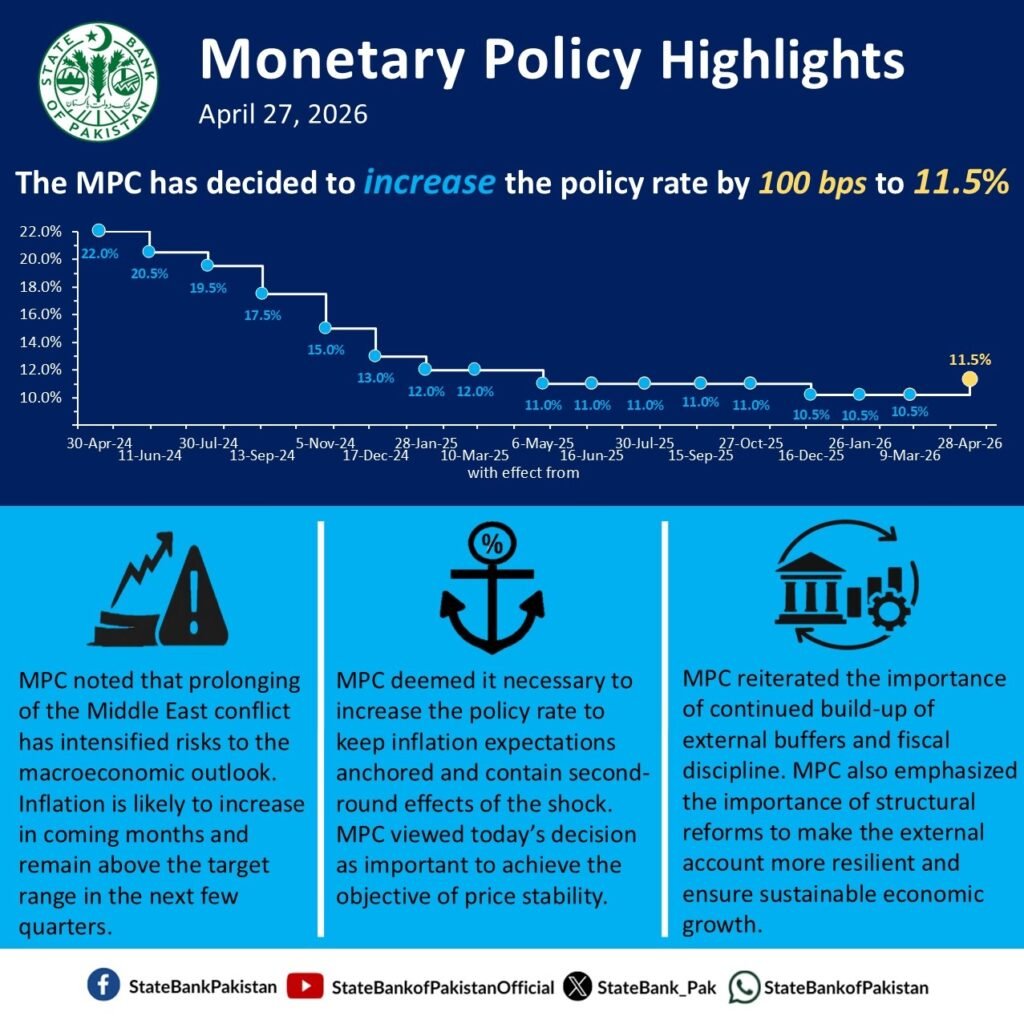
As Dawn reported, the hike is the first in almost three years, as rising oil prices from the US-Israel war on Iran threaten to push inflation higher in the import-dependent nation. The SBP said a detailed monetary policy statement will be released later.
The SBP cut rates by 1,150 basis points over 18 months to rescue a struggling economy. It has now taken 100 of those back in a single meeting. The easing cycle is over.
What Drove the Decision
The rate decision came against a backdrop of rapidly deteriorating inflation dynamics. Inflation had already risen to 7.3% in March from 7% in February, breaching the SBP’s target range of 5-7%, with some analysts warning it could climb further to around 10% in April. More immediately, short-term inflation surged to 14% in the week ending April 23, underscoring persistent and intensifying price pressures, while recent increases in petrol and diesel prices further fuelled inflationary expectations.
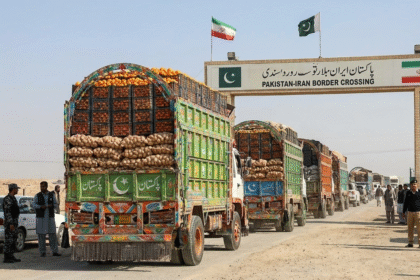
The trigger, as widely acknowledged, is the geopolitical shock from the US-Iran conflict. Rising oil prices have fed directly into Pakistan’s energy costs, transportation and food supply chain — all of which are now being reflected in both headline and short-term inflation readings.
A Dramatic Reversal
The significance of Monday’s move cannot be overstated in the context of where Pakistan’s monetary cycle has come from. Since June 2024, the SBP had cumulatively reduced the policy rate by 1,150 basis points after it had reached a record high of 22%. The most recent cut of 50 basis points had been implemented in January. Monday’s hike effectively puts that entire easing cycle on hold and potentially into reverse.
As The Express Tribune reported, Arif Habib Limited had published a detailed preview arguing forcefully for maintaining the status quo at 10.5%, warning that responding to supply-driven inflationary pressures with tightening “risks a policy error.” Nonetheless, the MPC moved decisively.
Impact on Borrowers, Exporters and the Government
The rate hike carries costs across multiple constituencies. While a higher interest rate will yield more returns for exporters through the export finance scheme and boost remittance conversion incentives, it will create serious problems for importers and increase the debt burden of the government, which borrows heavily from banks to accumulate liquidity needed to run day-to-day operations.
FPCCI President Atif Ikram Sheikh had urged the SBP to hold rates before the decision, warning that elevated borrowing costs could slow industrial and commercial activity and negatively affect overall economic growth. His concerns now reflect the reality facing Pakistan’s private sector as it absorbs a tighter monetary environment alongside already elevated input costs.
The SBP’s move signals a decisive pivot, prioritising inflation anchoring over near-term growth support, even as the economy posted a 3.89% GDP expansion in Q2 and a $1.07 billion current account surplus in March. The next MPC meeting in June, alongside the federal budget, will now be watched closely for any signs of reversal — or further tightening.