
By using this site, you agree to the Privacy Policy and Terms of Use.
Accept
Money Matters PakistanMoney Matters PakistanMoney Matters Pakistan
  • Home
  • About us
  • Latest
  • News Categories
    • Pakistan Regional Trade & Ties
    • Debt Matters
    • Budget & Taxation
    • Food & Agriculture Economy
    • Public Sector Enterprises
    • Pakistan Economy
    • Exports
    • IMF Matters
    • Energy and Power
    • Analyses/Guest Posts
  • Write for us
  • Contact
Reading: Petrol at Rs. 30/Litre?
Share
Notification Show More
Font ResizerAa
Font ResizerAa
Money Matters PakistanMoney Matters Pakistan
Search
  • Home
  • About us
  • Latest
  • News Categories
    • Pakistan Regional Trade & Ties
    • Debt Matters
    • Budget & Taxation
    • Food & Agriculture Economy
    • Public Sector Enterprises
    • Pakistan Economy
    • Exports
    • IMF Matters
    • Energy and Power
    • Analyses/Guest Posts
  • Write for us
  • Contact
Have an existing account? Sign In
Follow US
Money Matters Pakistan > Blog > Energy and Power > Petrol at Rs. 30/Litre?
Energy and Power

Petrol at Rs. 30/Litre?

Money Matters
Published April 18, 2026
3 Min Read

A shift toward electric mobility and solar power could slash travel costs by 90 percent: Atif Mian

Key Takeaways

• Cost Efficiency: Solar power can reduce the cost of travel to Rs 30 per equivalent litre by utilizing Pakistan high solar potential.  

• Policy Failure: Current high prices reflect a broken system that prioritized imported fuels and guaranteed returns over domestic investment.  

• Economic Growth: Transitioning to EVs and decentralized solar could unlock private credit, create local jobs, and ease balance of payments.


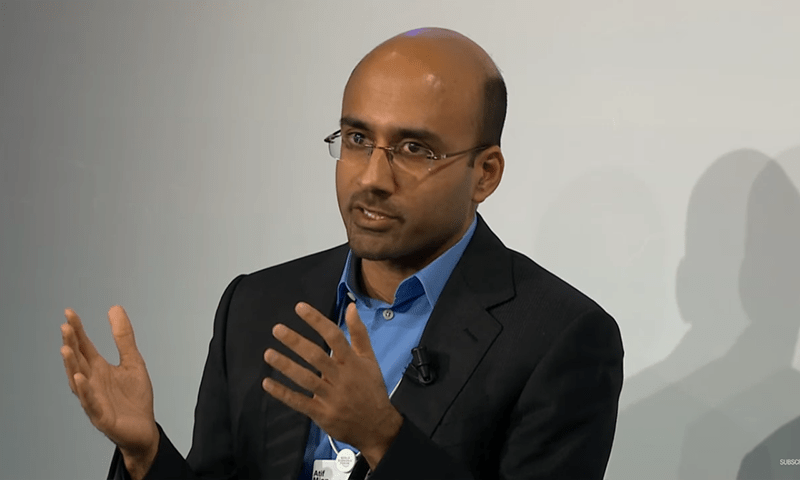
Money Matters Monitoring – In a recent 𝕏 post, economist Atif Mian argued that while the idea of petrol at Rs 30 per litre sounds like a fantasy, it is a mathematical reality currently blocked by deep seated policy failures. He pointed out that the average Pakistani motorcycling 60 km on a litre of petrol could cover that same distance using just 2 kWh of electricity on an efficient electric scooter. Given Pakistan’s high solar potential, where the levelized cost of energy is around 5 cents per kWh, the actual cost to travel that distance should be roughly Rs 30.  

Mian described the massive gap between the current Rs 300 price and the potential Rs 30 cost as the price of bad policy. He noted that instead of building a nervous system for charging infrastructure, battery swapping, and smart pricing, Pakistan chose to lean into large fossil fuel plants. These projects, often financed by dollar denominated debt with guaranteed returns, have left the country burdened with fixed costs and heavy taxation that now actively slow down the adoption of cheaper electric vehicles.  

“The 300-versus-30 gap is the cost of bad policy”: Atif Mian

The economist further highlighted that solar power is modular, meaning it does not require massive scale to be efficient. This characteristic could have unlocked business opportunities for small domestic power producers and local firms, creating a natural cash flow through grid sales. Instead, Mian argued that the government protected a backward looking auto sector and prioritized keeping zombie power plants alive, a strategy he punctuated by citing the recent net metering fiasco as a primary example of a broken system.  

Disclaimer: This report is for informational purposes and does not necessarily reflect the views of ‘Money Matters Pakistan’. We welcome any corrections or alternative viewpoints from our readers to ensure a balanced perspective.
You Might Also Like

Pakistan’s Digital Divide Hinders Economic Growth, Experts Warn

Punjab Reduces Wheat Debt and Food Prices Amidst Economic Reforms

Electric Shock for Millions as Tariffs Soar: Shahbaz Rana 

China Urges US to Fully Scrap Tariffs Amid Trade Tensions

Pakistan Navigates Crypto Future Amidst Economic Ambition and Regulatory Challenges

TAGGED:Atif Mianeconomic reformenergy crisisEV PolicyPakistan economyPetrol PricesSolar EnergySustainable Transport
Share This Article
Facebook Email Print
Remittances

Pakistan Record Surplus in Current Account for March

April 18, 2026
Energy and Power

Petrol at Rs. 30/Litre?

April 18, 2026
Stock Market

SECP Proposes Swing Pricing to Shield Mutual Fund Returns

April 18, 2026
Analyses/Guest Posts

Treet Corporation: A Business Breakdown of Pakistan’s Manufacturing Giant

April 18, 2026
Stock Market

PSX Outlook: Banking and Energy Stocks Lead Market Upside

April 17, 2026
  • Home
  • About us
  • Latest
  • News Categories
    • Pakistan Regional Trade & Ties
    • Debt Matters
    • Budget & Taxation
    • Food & Agriculture Economy
    • Public Sector Enterprises
    • Pakistan Economy
    • Exports
    • IMF Matters
    • Energy and Power
    • Analyses/Guest Posts
  • Write for us
  • Contact
Reading: Petrol at Rs. 30/Litre?
Share

About US

Are you passionate about economics, finance, or business? Whether you’re a journalist digging into the latest economic policies, an expert unraveling market trends, a student eager to share fresh perspectives, or a budding writer with a knack for financial storytelling, we’d love to hear from you at Money Matters.
Pakistan Record Surplus in Current Account for March
April 18, 2026
Petrol at Rs. 30/Litre?
April 18, 2026
SECP Proposes Swing Pricing to Shield Mutual Fund Returns
April 18, 2026
Treet Corporation: A Business Breakdown of Pakistan’s Manufacturing Giant
April 18, 2026
© Money Matters. All Rights Reserved.
Welcome Back!

Sign in to your account

Username or Email Address
Password

Lost your password?

Not a member? Sign Up