
By using this site, you agree to the Privacy Policy and Terms of Use.
Accept
Money Matters PakistanMoney Matters PakistanMoney Matters Pakistan
  • Home
  • About us
  • Latest
  • News Categories
    • Pakistan Regional Trade & Ties
    • Debt Matters
    • Budget & Taxation
    • Food & Agriculture Economy
    • Public Sector Enterprises
    • Pakistan Economy
    • Exports
    • IMF Matters
    • Energy and Power
    • Analyses/Guest Posts
  • Write for us
  • Contact
Reading: US-India Rift on Kashmir Ceasefire
Share
Notification Show More
Font ResizerAa
Font ResizerAa
Money Matters PakistanMoney Matters Pakistan
Search
  • Home
  • About us
  • Latest
  • News Categories
    • Pakistan Regional Trade & Ties
    • Debt Matters
    • Budget & Taxation
    • Food & Agriculture Economy
    • Public Sector Enterprises
    • Pakistan Economy
    • Exports
    • IMF Matters
    • Energy and Power
    • Analyses/Guest Posts
  • Write for us
  • Contact
Have an existing account? Sign In
Follow US
Money Matters Pakistan > Blog > Pakistan Regional Trade & Ties > US-India Rift on Kashmir Ceasefire
Pakistan Regional Trade & Ties

US-India Rift on Kashmir Ceasefire

Navigating the Kashmir Divide: US-India Differences on the ceasefire and impact on regional security

Money Matters
Published May 18, 2025
3 Min Read

Tensions rise as Washington calls for dialogue in Kashmir, while New Delhi maintains a hardline stance-raising concerns for regional stability.

Key Takeaways:
1. The US and India are at odds over how to resolve the Kashmir conflict, with Washington advocating for talks and New Delhi prioritizing security operations.
2. Pakistan sees the US position as supportive of its calls for international mediation and a peaceful settlement in Kashmir.
3. Analysts warn that the divergence between the two powers could hinder efforts to stabilize the region.


Money Matters Monitoring –

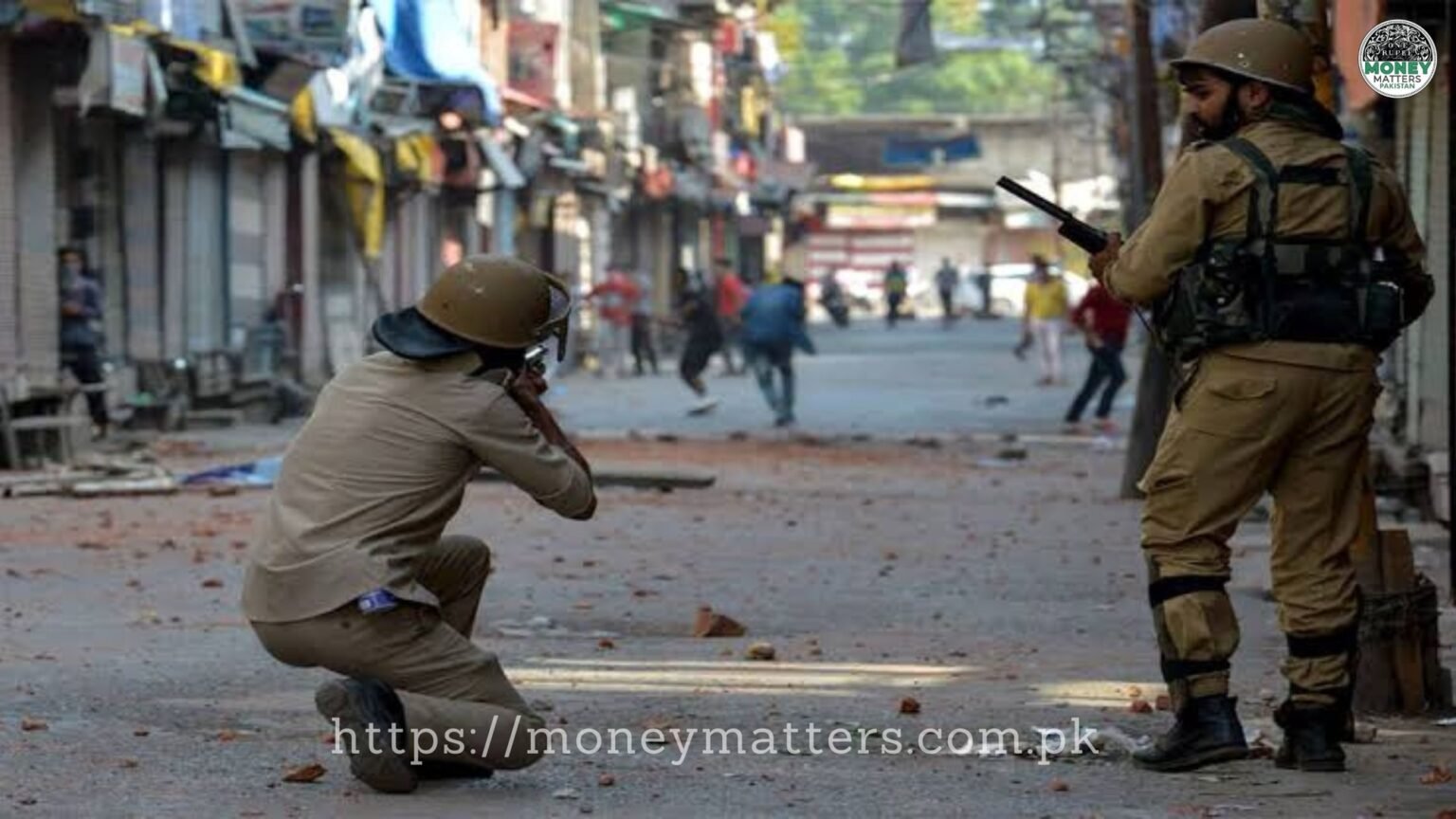
India and the United States are taking sharply different positions on the ongoing conflict in Indian-administered Kashmir, with Washington urging for renewed dialogue and a ceasefire, while New Delhi insists on a security-first approach, according to analysts cited by AFP.
The divergence has become more apparent in recent weeks, as violence in the disputed region has escalated. The US has called on India to “restore calm and engage in meaningful talks,” emphasizing the need for a peaceful resolution that respects the rights of Kashmiris. In contrast, Indian officials have doubled down on their military operations, arguing that security must be established before any political process can resume.
For Pakistan, which has long championed the Kashmiri cause and called for international mediation, the US position offers a glimmer of hope. Islamabad has repeatedly urged the global community, including Washington, to pressure India into halting its security crackdown and to allow for a negotiated settlement that includes the voices of Kashmiris.
Analysts warn that the lack of consensus between India and the US could complicate efforts to de-escalate tensions in South Asia. “While the US push for dialogue aligns with Pakistan’s longstanding demands, India’s reluctance to compromise on its security agenda could prolong instability in the region,” noted a regional affairs expert.
The issue remains deeply sensitive in Pakistan, where public sentiment strongly favors Kashmiri self-determination and where policymakers view any shift in US policy as potentially significant for the broader peace process.
As the situation develops, Pakistan will be watching closely to see whether Washington’s calls for restraint translate into concrete diplomatic action, or if New Delhi’s hardline approach prevails-potentially impacting peace and security for millions in the region.
You Might Also Like

Revitalizing Pakistan-India Trade Relations: Insights from Majyd Aziz

India Plans Rs 50,000 Crore Defence Budget Increase Following Military Setback Against Pakistan

537 Pakistanis Return as India Visa Deadline Approaches

Pakistan Permits Afghan Cargo Trucks to Deliver Goods to India Amidst Tensions

Is Pakistan’s crisis-ridden economy finally recovering?

TAGGED:Islamabad response Kashmir crisisKashmir ceasefire newsKashmir peace process PakistanPakistan Kashmir mediationPakistan perspective Kashmir talksSouth Asia regional stabilityUS India diplomatic tensions Kashmir
Share This Article
Facebook Email Print
Pakistan Economy

Pakistan Achieves Historic Fiscal Deficit Below 1%

May 12, 2026
Remittances

Pakistan Receives $3.5 Billion in Remittances in April — Up 11.4% Year-on-Year

May 11, 2026
Analyses/Guest Posts

“Every Opportunity Became a Business Model for Extraction” — Dr Umar Saif

May 10, 2026
China & CPEC related

Pakistan Eyes Historic Panda Bond Debut in China Next Week

May 10, 2026
Banking sector

SBP Spent $27 Billion Buying Dollars to Build Reserves 

May 8, 2026
  • Home
  • About us
  • Latest
  • News Categories
    • Pakistan Regional Trade & Ties
    • Debt Matters
    • Budget & Taxation
    • Food & Agriculture Economy
    • Public Sector Enterprises
    • Pakistan Economy
    • Exports
    • IMF Matters
    • Energy and Power
    • Analyses/Guest Posts
  • Write for us
  • Contact
Reading: US-India Rift on Kashmir Ceasefire
Share

About US

Are you passionate about economics, finance, or business? Whether you’re a journalist digging into the latest economic policies, an expert unraveling market trends, a student eager to share fresh perspectives, or a budding writer with a knack for financial storytelling, we’d love to hear from you at Money Matters.
Pakistan Achieves Historic Fiscal Deficit Below 1%
May 12, 2026
Pakistan Receives $3.5 Billion in Remittances in April — Up 11.4% Year-on-Year
May 11, 2026
“Every Opportunity Became a Business Model for Extraction” — Dr Umar Saif
May 10, 2026
Pakistan Eyes Historic Panda Bond Debut in China Next Week
May 10, 2026
© Money Matters. All Rights Reserved.
Welcome Back!

Sign in to your account

Username or Email Address
Password

Lost your password?

Not a member? Sign Up