By using this site, you agree to the Privacy Policy and Terms of Use.
Accept
Money Matters PakistanMoney Matters PakistanMoney Matters Pakistan
  • Home
  • About us
  • Latest
  • News Categories
    • Pakistan Regional Trade & Ties
    • Debt Matters
    • Budget & Taxation
    • Food & Agriculture Economy
    • Public Sector Enterprises
    • Pakistan Economy
    • Exports
    • IMF Matters
    • Energy and Power
    • Analyses/Guest Posts
  • Write for us
  • Contact
Reading: Chinese Influencers Expose Luxury Brands’ “Made in China” Secrets
Share
Notification Show More
Font ResizerAa
Font ResizerAa
Money Matters PakistanMoney Matters Pakistan
Search
  • Home
  • About us
  • Latest
  • News Categories
    • Pakistan Regional Trade & Ties
    • Debt Matters
    • Budget & Taxation
    • Food & Agriculture Economy
    • Public Sector Enterprises
    • Pakistan Economy
    • Exports
    • IMF Matters
    • Energy and Power
    • Analyses/Guest Posts
  • Write for us
  • Contact
Have an existing account? Sign In
Follow US
Money Matters Pakistan > Blog > International News > Chinese Influencers Expose Luxury Brands’ “Made in China” Secrets
International News

Chinese Influencers Expose Luxury Brands’ “Made in China” Secrets

Money Matters
Published April 17, 2025
2 Min Read

Social media trend reveals surprising origins of high-end goods, sparking debate about manufacturing and consumerism.


Key Takeaways:

i) A social media trend indicates that many luxury brands’ products are manufactured in China, causing a stir among consumers.

ii) The trend highlights the complex relationship between Western brands, Chinese manufacturing, and global trade dynamics.

iii) The revelations raise concerns about labor practices and the need for greater transparency in the fashion industry’s supply chains.


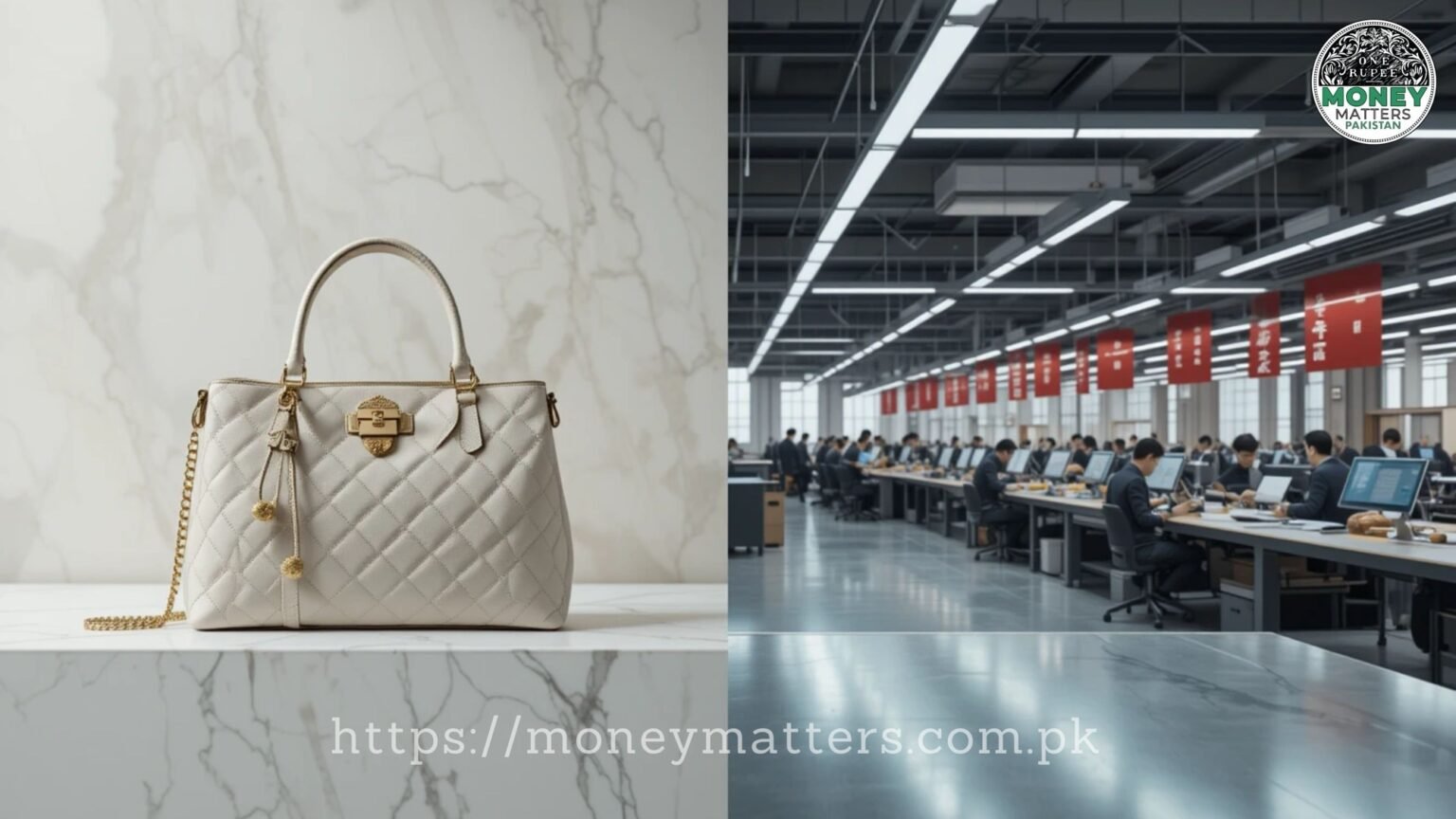
Islamabad, Pakistan – April 17, 2025 – A burgeoning trend on social media platforms, spearheaded by Chinese influencers and producers, is bringing to light the manufacturing origins of numerous luxury brands: their products are often “Made in China.” These revelations, while familiar within the fashion industry, have generated significant discussion among consumers, particularly in the United States.

The social media content showcases items such as branded slides, emphasizing the considerable disparity between production costs and retail prices. Some online content has even made claims about the production cost of high-end bags, though it has been clarified that certain prominent brands do not manufacture in China. The trend has initiated discussions regarding tariffs, with some observers suggesting it reflects China’s growing prominence in global manufacturing.

While some consumers associate the label “Made in China” with lower quality, the trend underscores that China possesses the capability to produce high-caliber goods. The issue, it’s suggested, often stems from brands prioritizing cost reduction. The content also advises against direct purchases from Chinese suppliers, advocating instead for the support of local businesses. The manufacturing origins of certain popular brands have also come under scrutiny as part of this trend.

The trend has initiated discussions regarding tariffs, with some observers suggesting it reflects China’s growing prominence in global manufacturing.

Beyond specific brands, the revelations touch upon broader issues within the fashion sector, including potential exploitation of workers in regions with lower labor costs and the imperative for enhanced transparency throughout the intricate supply chain.
You Might Also Like

Pakistan and Turkmenistan agree to expedite a transit trade agreement & liberalize visa policies

China’s BRETC Boosts Pakistan’s Hopes for Enhanced Economic Ties

Pakistan’s Tech Sector Gains International Recognition at MWC Barcelona

A Heavy Burden: Ehsan Malik’s Critique of Pakistan’s Federal Budget

Indus Motor Halts Production Due to Parts Shortage

TAGGED:Chinese factoriesconsumer awarenessfashion supply chainglobal manufacturinghigh-end brands originluxury goods Chinamade in China trendPakistan economysocial media impacttrade dynamics
Share This Article
Facebook Email Print
Pakistan Economy

Pakistan Achieves Historic Fiscal Deficit Below 1%

May 12, 2026
Remittances

Pakistan Receives $3.5 Billion in Remittances in April — Up 11.4% Year-on-Year

May 11, 2026
Analyses/Guest Posts

“Every Opportunity Became a Business Model for Extraction” — Dr Umar Saif

May 10, 2026
China & CPEC related

Pakistan Eyes Historic Panda Bond Debut in China Next Week

May 10, 2026
Banking sector

SBP Spent $27 Billion Buying Dollars to Build Reserves 

May 8, 2026
  • Home
  • About us
  • Latest
  • News Categories
    • Pakistan Regional Trade & Ties
    • Debt Matters
    • Budget & Taxation
    • Food & Agriculture Economy
    • Public Sector Enterprises
    • Pakistan Economy
    • Exports
    • IMF Matters
    • Energy and Power
    • Analyses/Guest Posts
  • Write for us
  • Contact
Reading: Chinese Influencers Expose Luxury Brands’ “Made in China” Secrets
Share

About US

Are you passionate about economics, finance, or business? Whether you’re a journalist digging into the latest economic policies, an expert unraveling market trends, a student eager to share fresh perspectives, or a budding writer with a knack for financial storytelling, we’d love to hear from you at Money Matters.
Pakistan Achieves Historic Fiscal Deficit Below 1%
May 12, 2026
Pakistan Receives $3.5 Billion in Remittances in April — Up 11.4% Year-on-Year
May 11, 2026
“Every Opportunity Became a Business Model for Extraction” — Dr Umar Saif
May 10, 2026
Pakistan Eyes Historic Panda Bond Debut in China Next Week
May 10, 2026
© Money Matters. All Rights Reserved.
Welcome Back!

Sign in to your account

Username or Email Address
Password

Lost your password?

Not a member? Sign Up