
Actuarial Blockade Eases as Pakistani-Mediated Diplomacy Revives Vital Oil Route for Global Markets
Key Takeaways
– War-risk premiums below 1% mark ceasefire progress, with 20 ships transiting in 24 hours, thanks to Pakistani-brokered diplomacy.
– Actuarial blockade via insurance hikes proved deadlier than kinetics, now easing but still 4x pre-war levels.
– Pakistan gains from stabilized oil flows, but fragile pause risks renewed disruptions ahead of Islamabad talks.
Money Matters Monitoring – War-risk insurance premiums for ships transiting the Strait of Hormuz have dipped below one percent for the first time since tensions erupted, signaling the ceasefire’s early success amid Pakistani diplomatic efforts. Over the past 24 hours, 20 vessels safely navigated the key waterway, boosting market confidence as premiums tumbled from peak levels.
Yet challenges linger: rates remain four times pre-crisis levels (0.2%), embedding fears of relapse. Iran’s Council deems the pause conditional, with Phase 2 talks kicking off Friday in Islamabad amid unresolved demands like yuan tolls.
This drop highlights an “actuarial blockade”—not bombs or mines, but skyrocketing insurance costs that halted 94% of traffic. On March 5, major P&I clubs issued cancellation notices, ballooning VLCC voyage premiums from $500,000 to $2-7.5 million—often exceeding cargo profits. Shipowners simply stayed away, proving spreadsheets more potent than missiles.
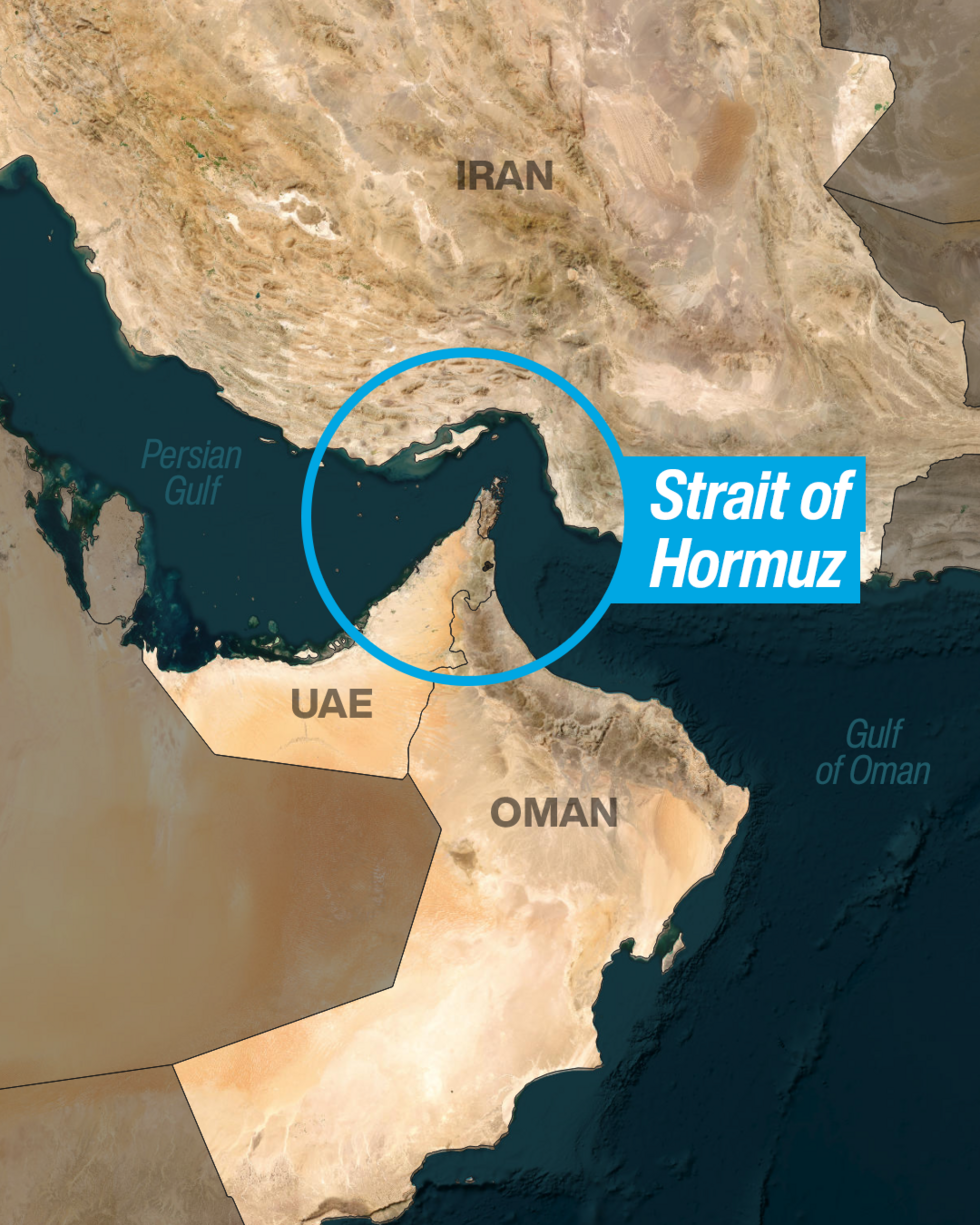
Trump’s ceasefire, facilitated through Pakistani mediation, shattered this non-kinetic stranglehold. Bombings ceased, Iran committed to coordinated reopenings, and underwriters’ real-time models—fed by satellite data, AIS signals, and IRGC movements—recalibrated risks. Premiums fell to 0.8% in some cases, reviving flows through this chokepoint carrying 20% of global oil.
For Pakistan, a net oil importer, the stakes are massive. Lower premiums could stabilize fuel prices, ease import bills, and shield the rupee from volatility. Yet challenges linger: rates remain four times pre-crisis levels (0.2%), embedding fears of relapse. Iran’s Council deems the pause conditional, with Phase 2 talks kicking off Friday in Islamabad amid unresolved demands like yuan tolls.
The Dallas Fed’s analysis underscores how insurance models “remember” threats, pricing in a high chance of re-closure within 12 months. Markets celebrated the dip but haven’t fully grasped lingering supply risks, from damaged crackers to collapsed bridges delaying repairs.