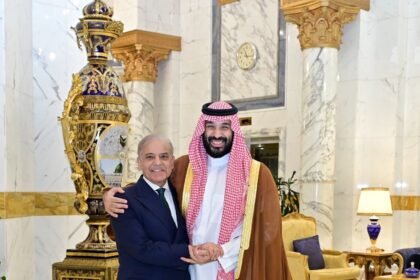

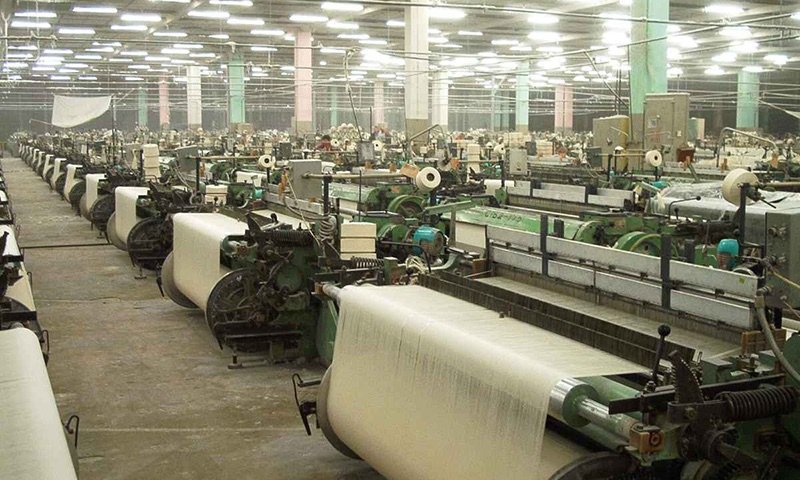
Sadaqat CEO and PTEA Patron-in-Chief Khurram Mukhtar lays out an eight-point reform agenda to unlock a million new jobs in textiles.
Key Takeaways:
- Pakistan’s textile exports are expected to close at $18–18.2 billion this year against a potential of $23 billion — a gap Mukhtar attributes to policy failures on energy, taxation and liquidity.
- His Budget FY27 proposals include shifting exporters to a Final Tax Regime, eliminating super tax and advance tax, restoring the Export Facilitation Scheme in its true spirit, and aligning energy tariffs with regional benchmarks.
- With the right reforms, Mukhtar argues Pakistan can create up to one million new jobs in textiles and reach $30 billion in exports within a few years.
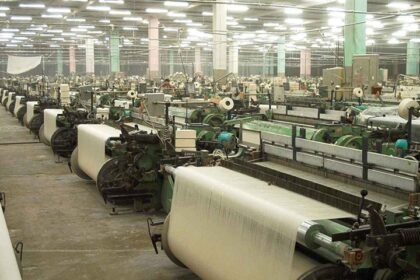
Karachi, Pakistan – One of Pakistan’s most prominent textile industry voices has issued a detailed budget manifesto ahead of FY27, warning that the country squandered its potential this year and must now move with urgency if it is to unlock the sector’s true export capacity.
In a post on X, Khurram Mukhtar, CEO of Sadaqat Limited and Patron-in-Chief of the Pakistan Textile Exporters Association (PTEA), said textile exports are expected to close the current fiscal year at around $18 to $18.2 billion, falling well short of the $23 billion that was within reach with the right policies. He described the shortfall as a missed opportunity that must now be addressed with urgency.
Mukhtar’s eight-point Budget FY27 proposal covers cost competitiveness, taxation, export facilitation, documentation, social cost reduction, SME support, policy stability and financing for growth.
On energy, he called for aligning industrial tariffs with regional benchmarks on a cost-of-service basis, eliminating peak hour restrictions for industries, and removing the Grid Transition Levy on gas, arguing that combined heat and power systems are the most efficient generation model and must not be penalised. His demand reflects longstanding industry frustration: as Arab News reported in March 2026, Mukhtar has previously flagged that high energy costs and freight pressures compound the industry’s structural vulnerabilities, especially during periods of global market disruption.
On taxation, he called for a shift to a Final Tax Regime for exporters, elimination of super tax, minimum tax and advance tax, and fast automated refunds to release working capital currently stuck in the system — a chronic complaint across Pakistan’s export sector.
The proposal also urges restoration of the Export Facilitation Scheme in its original spirit for both local and imported inputs, zero rating of utilities under the scheme, and a targeted Drawback of Local Taxes and Levies at 5 percent for value-added segments. On cotton, Mukhtar called for expanding cultivation area and revamping lab standards to ensure traceability.
He also called for a two-year freeze on EOBI contributions given the fund’s current sustainability, a reduction in contributions to 3 percent thereafter, and provincial governments waiving exports from the Workers Profit Fund and Workers Welfare Fund.
Most ambitiously, Mukhtar laid out a job creation projection: with the right financing framework, Pakistan can create up to one million new textile and apparel jobs in the coming years and reach $30 billion in exports — provided policy provides a predictable three to five year framework linking incentives to incremental export growth.
As one of the sector’s most credible voices, Mukhtar’s proposals carry weight. He has previously emphasised that to scale textile exports to $25 billion, high operational costs for energy and taxes must be addressed, and working capital tied up in the refund regime must be released.
Disclaimer
This report is for informational purposes and does not necessarily reflect the views of ‘Money Matters Pakistan’. We welcome any corrections or alternative viewpoints from our readers to ensure a balanced perspective.