
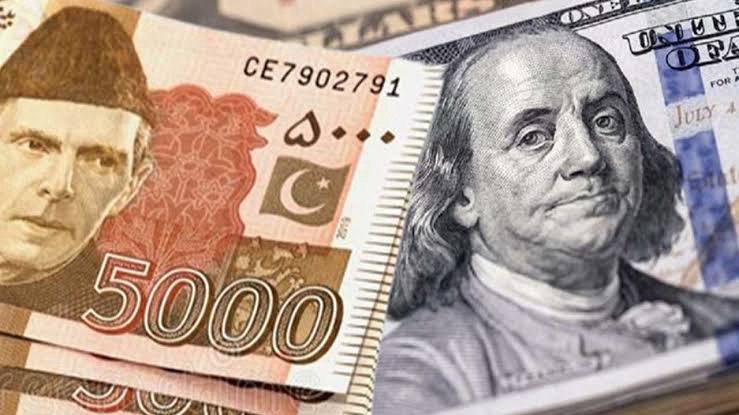
The State Bank’s latest REER data shows the rupee appreciated against trading partners in March, but exporters may not be celebrating.
Key Takeaways:
- Pakistan’s REER rose to 105.2 in March 2026 from 103.1 in February, marking a notable month-on-month appreciation.
- A REER above 100 signals the rupee is relatively overvalued, making Pakistani exports costlier and less competitive in global markets.
- The rising index adds pressure on export-oriented industries, particularly textiles, at a time when Pakistan’s trade deficit has already been widening.
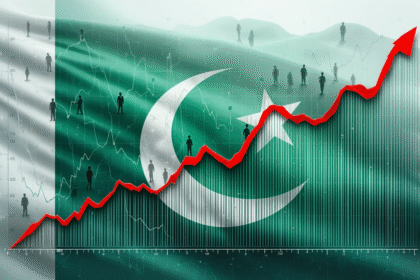
Islamabad, Pakistan – Pakistan’s rupee continued to strengthen against its trading partners in March 2026, but for the country’s exporters, the news is a double-edged sword. In a recent post on X, the State Bank of Pakistan (SBP) disclosed that the Real Effective Exchange Rate (REER) index appreciated to 105.2 in March 2026, up from 103.1 in February — a rise of 2.1 points in a single month.
What Is REER and Why Does It Matter?
The REER is not a simple dollar-to-rupee figure. It measures the value of the Pakistani rupee against a weighted basket of currencies from Pakistan’s major trading partners, adjusted for inflation differences between countries. A reading above 100 indicates that the rupee is relatively overvalued against peer currencies, making Pakistani goods more expensive for foreign buyers and imports cheaper at home. A reading below 100 signals the opposite — improved export competitiveness.
A REER of 105.2 is not a crisis number, but for a country that just saw exports fall 7 percent in seven months, it is certainly not welcome news.
As Profit by Pakistan Today reported during the February reading, the REER measures the country’s currency value against a weighted basket of foreign currencies, and a reading above 100 indicates relatively uncompetitive exports and cheaper imports.
A Worrying Trend for Exporters
March’s jump to 105.2 reverses a brief period of modest relief. The REER had dipped from 103.3 in January to 102.5 in February, which analysts had cautiously welcomed as a small improvement in export competitiveness. That gain has now been more than erased.
The timing is concerning. In the first seven months of fiscal year 2026, Pakistan’s trade deficit widened by 28 percent to $22 billion, with exports falling 7 percent while imports rose 9 percent. DID PRESS AGENCY A stronger rupee — reflected in the rising REER — makes that export decline harder to reverse, as Pakistani goods become relatively more expensive for international buyers compared to competitors in India, Vietnam, and Bangladesh.
As Business Recorder noted in its analysis of earlier data, a REER above 100 means the country’s exports are uncompetitive, while imports are cheaper — and the situation reverses only when REER stands below 100.
The rupee’s strength looks good on paper. Ask Pakistan’s textile exporters what they think of it.
SBP’s Own Caveat
The State Bank has been careful to note that the 100 mark on the REER index should not be read as the currency’s equilibrium value. The index is benchmarked to Pakistan’s 2010 average, meaning movements reflect changes relative to that base year rather than an absolute measure of fair value. Nonetheless, a sustained reading above 100, and now climbing toward 105, keeps mild-to-moderate overvaluation pressure firmly on the agenda for policymakers and exporters alike.