
By using this site, you agree to the Privacy Policy and Terms of Use.
Accept
Money Matters PakistanMoney Matters PakistanMoney Matters Pakistan
  • Home
  • About us
  • Latest
  • News Categories
    • Pakistan Regional Trade & Ties
    • Debt Matters
    • Budget & Taxation
    • Food & Agriculture Economy
    • Public Sector Enterprises
    • Pakistan Economy
    • Exports
    • IMF Matters
    • Energy and Power
    • Analyses/Guest Posts
  • Write for us
  • Contact
Reading: Pakistan’s Fiscal Crisis: Structural Reforms Needed, Not Cosmetic Fixes
Share
Notification Show More
Font ResizerAa
Font ResizerAa
Money Matters PakistanMoney Matters Pakistan
Search
  • Home
  • About us
  • Latest
  • News Categories
    • Pakistan Regional Trade & Ties
    • Debt Matters
    • Budget & Taxation
    • Food & Agriculture Economy
    • Public Sector Enterprises
    • Pakistan Economy
    • Exports
    • IMF Matters
    • Energy and Power
    • Analyses/Guest Posts
  • Write for us
  • Contact
Have an existing account? Sign In
Follow US
Money Matters Pakistan > Blog > Analyses/Guest Posts > Pakistan’s Fiscal Crisis: Structural Reforms Needed, Not Cosmetic Fixes
Analyses/Guest Posts

Pakistan’s Fiscal Crisis: Structural Reforms Needed, Not Cosmetic Fixes

Money Matters
Published April 12, 2025
2 Min Read

Key Takeaways:

i) Pakistan’s current tax system is inefficient and poorly enforced, hindering revenue collection.

ii) The Federal Board of Revenue (FBR) faces challenges in expanding the tax base and tackling corruption.

iii) The hidden economy significantly impacts Pakistan’s overall economic health, requiring urgent attention.


Islamabad, Pakistan – April 12, 2025 – Dr. Ikramul Haq, in his article “Taxing The Untaxed: Why Pakistan’s Fiscal Crisis Demands Structural Reform, Not Cosmetic Fixes” published in The Friday Times, argues that Pakistan’s persistent fiscal woes stem from deep-rooted structural issues within its tax system. According to Haq, repeated reforms have been ignored by policymakers, leaving the system inefficient, inequitable, and poorly enforced.

Haq points out the over-reliance on regressive taxes, which disproportionately burden the poor, and the government’s reluctance to tax the wealthy.

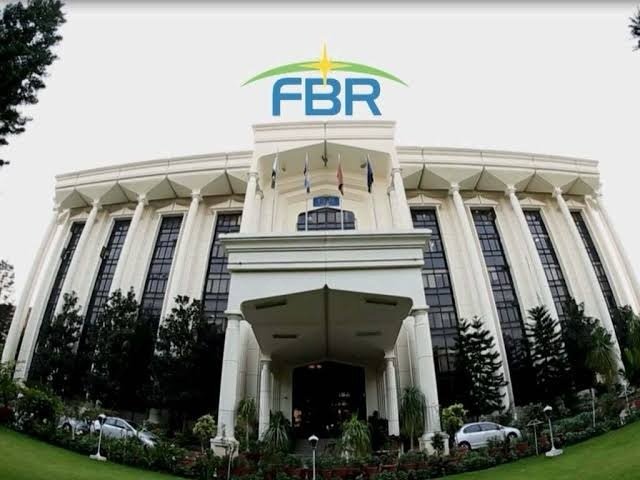
The article highlights several critical issues, including the “failure of the Federal Board of Revenue (FBR)” to effectively broaden the tax base and address tax evasion. The FBR, responsible for collecting federal taxes and enforcing tax laws, also faces challenges related to corruption and operational inefficiencies, impacting its ability to collect revenue. The International Monetary Fund (IMF) has also raised concerns about the FBR’s performance.

Haq points out the over-reliance on regressive taxes, which disproportionately burden the poor, and the government’s reluctance to tax the wealthy. He emphasizes the urgent need to address Pakistan’s hidden economy, estimated to be a significant portion of the country’s GDP. Some estimates suggest it could be as large as 40% of the GDP. This undocumented sector, where transactions often occur in cash and businesses operate without formal registration, further complicates tax collection efforts.

The author advocates for structural reforms, including establishing a “National Tax Authority” and implementing a simplified, broad-based tax system with lower rates and improved enforcement. Previous tax reforms in Pakistan have often missed the mark, failing to address the fundamental issues of tax fraud and evasion.
You Might Also Like

Historic Increase in Electricity Tariffs Burdens Pakistani Consumers

Pakistan Seeks Global Investors for Untapped Mineral Wealth

Electricity consumers pay approximately Rs860 billion in taxes annually in Pakistan

Auto financing in Pakistan has decreased for 24 consecutive months

Pakistan’s Green Initiatives and IMF’s Role in Economic Stability

TAGGED:FBR performanceFederal Board of Revenuehidden economy PakistanMoney Matters PakistanPakistan economic issuesPakistan economyPakistan fiscal crisisPakistan tax collection.tax reforms Pakistan
Share This Article
Facebook Email Print
Pakistan Economy

Pakistan Achieves Historic Fiscal Deficit Below 1%

May 12, 2026
Remittances

Pakistan Receives $3.5 Billion in Remittances in April — Up 11.4% Year-on-Year

May 11, 2026
Analyses/Guest Posts

“Every Opportunity Became a Business Model for Extraction” — Dr Umar Saif

May 10, 2026
China & CPEC related

Pakistan Eyes Historic Panda Bond Debut in China Next Week

May 10, 2026
Banking sector

SBP Spent $27 Billion Buying Dollars to Build Reserves 

May 8, 2026
  • Home
  • About us
  • Latest
  • News Categories
    • Pakistan Regional Trade & Ties
    • Debt Matters
    • Budget & Taxation
    • Food & Agriculture Economy
    • Public Sector Enterprises
    • Pakistan Economy
    • Exports
    • IMF Matters
    • Energy and Power
    • Analyses/Guest Posts
  • Write for us
  • Contact
Reading: Pakistan’s Fiscal Crisis: Structural Reforms Needed, Not Cosmetic Fixes
Share

About US

Are you passionate about economics, finance, or business? Whether you’re a journalist digging into the latest economic policies, an expert unraveling market trends, a student eager to share fresh perspectives, or a budding writer with a knack for financial storytelling, we’d love to hear from you at Money Matters.
Pakistan Achieves Historic Fiscal Deficit Below 1%
May 12, 2026
Pakistan Receives $3.5 Billion in Remittances in April — Up 11.4% Year-on-Year
May 11, 2026
“Every Opportunity Became a Business Model for Extraction” — Dr Umar Saif
May 10, 2026
Pakistan Eyes Historic Panda Bond Debut in China Next Week
May 10, 2026
© Money Matters. All Rights Reserved.
Welcome Back!

Sign in to your account

Username or Email Address
Password

Lost your password?

Not a member? Sign Up