
By using this site, you agree to the Privacy Policy and Terms of Use.
Accept
Money Matters PakistanMoney Matters PakistanMoney Matters Pakistan
  • Home
  • About us
  • Latest
  • News Categories
    • Pakistan Regional Trade & Ties
    • Debt Matters
    • Budget & Taxation
    • Food & Agriculture Economy
    • Public Sector Enterprises
    • Pakistan Economy
    • Exports
    • IMF Matters
    • Energy and Power
    • Analyses/Guest Posts
  • Write for us
  • Contact
Reading: Pakistan Seeks to Boost US Imports to Mitigate Tariff Impacts
Share
Notification Show More
Font ResizerAa
Font ResizerAa
Money Matters PakistanMoney Matters Pakistan
Search
  • Home
  • About us
  • Latest
  • News Categories
    • Pakistan Regional Trade & Ties
    • Debt Matters
    • Budget & Taxation
    • Food & Agriculture Economy
    • Public Sector Enterprises
    • Pakistan Economy
    • Exports
    • IMF Matters
    • Energy and Power
    • Analyses/Guest Posts
  • Write for us
  • Contact
Have an existing account? Sign In
Follow US
Money Matters Pakistan > Blog > Trade ties with the U.S. > Pakistan Seeks to Boost US Imports to Mitigate Tariff Impacts
Trade ties with the U.S.

Pakistan Seeks to Boost US Imports to Mitigate Tariff Impacts

Pakistan increasing imports of US cotton and soybeans.

Money Matters
Published April 23, 2025
3 Min Read

Islamabad explores increased cotton and soybean purchases to navigate potential trade challenges.

Key Takeaways:

  • i) Pakistan is considering increasing its imports of US cotton and soybeans.
  • ii) The move aims to offset potential tariffs imposed by the United States.
  • iii) Pakistan is also engaging in talks to remove non-tariff barriers to facilitate smoother trade with the US.

Money Matters Monitoring – In a strategic move to potentially circumvent high tariffs from the United States, Pakistan’s government is actively exploring increasing its imports of key US commodities. Finance Minister Muhammad Aurangzeb recently indicated that the nation is considering buying more cotton and soybeans from the US, alongside efforts to dismantle non-tariff barriers that might impede the flow of American goods into Pakistani markets.

This development comes as Pakistan seeks to proactively address the implications of potential reciprocal tariffs, currently on hold until July. The US stands as Pakistan’s largest export market, with annual exports surpassing $5 billion in 2024. However, Pakistan’s imports from the US amounted to approximately $2.1 billion, creating a trade imbalance that has prompted concerns regarding potential trade actions.

“It’s a bigger canvas that we are looking at in terms of engaging the US,” stated Finance Minister Aurangzeb, emphasizing Pakistan’s commitment to constructive dialogue. He further added that a formal delegation from Pakistan is expected to visit Washington in the coming months to further these discussions and work towards bridging the trade gap.

Pakistan is also reportedly open to considering imports of US crude oil, although deliberations are ongoing, partly due to shipping costs. The finance minister highlighted that Pakistan is keen on attracting foreign direct investment from US companies, particularly in its newly opened minerals and mining sectors.

Furthermore, Aurangzeb shared that Pakistan is preparing to issue its inaugural Panda bond, valued between $200 million and $250 million, anticipated in the fourth quarter of this year. This initiative is part of broader efforts to stabilize the nation’s economy and foster sustainable growth, moving away from historical boom-and-bust cycles.
You Might Also Like

China Urges US to Fully Scrap Tariffs Amid Trade Tensions

Over 27,000 new companies registered in Pakistan in 2023-24

World Bank Arm Backs Pakistan’s Reko Diq Mining Project with $300 Million Loan

Pakistan Offers Concessions to U.S. Firms to Boost Mining Investment Amid Tariff Talks

Pakistan and UAE Forge Stronger Economic Ties Through Joint Business Council

TAGGED:commodity importseconomic diplomacyeconomic growth Pakistanforeign investment Pakistanglobal trade.international tradeMuhammad AurangzebPakistan economyPakistan financePakistan importsPakistan US bilateral tradePakistan-US TradePanda bondtrade barriersTrade NegotiationsTrade PolicyTrump-era tariffsUS cotton importsUS exportsUS soybean trade
Share This Article
Facebook Email Print
Pakistan Economy

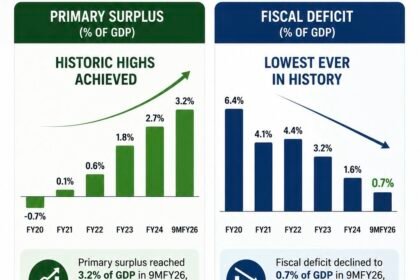
Pakistan Achieves Historic Fiscal Deficit Below 1%

May 12, 2026
Remittances

Pakistan Receives $3.5 Billion in Remittances in April — Up 11.4% Year-on-Year

May 11, 2026
Analyses/Guest Posts

“Every Opportunity Became a Business Model for Extraction” — Dr Umar Saif

May 10, 2026
China & CPEC related

Pakistan Eyes Historic Panda Bond Debut in China Next Week

May 10, 2026
Banking sector

SBP Spent $27 Billion Buying Dollars to Build Reserves 

May 8, 2026
  • Home
  • About us
  • Latest
  • News Categories
    • Pakistan Regional Trade & Ties
    • Debt Matters
    • Budget & Taxation
    • Food & Agriculture Economy
    • Public Sector Enterprises
    • Pakistan Economy
    • Exports
    • IMF Matters
    • Energy and Power
    • Analyses/Guest Posts
  • Write for us
  • Contact
Reading: Pakistan Seeks to Boost US Imports to Mitigate Tariff Impacts
Share

About US

Are you passionate about economics, finance, or business? Whether you’re a journalist digging into the latest economic policies, an expert unraveling market trends, a student eager to share fresh perspectives, or a budding writer with a knack for financial storytelling, we’d love to hear from you at Money Matters.
Pakistan Achieves Historic Fiscal Deficit Below 1%
May 12, 2026
Pakistan Receives $3.5 Billion in Remittances in April — Up 11.4% Year-on-Year
May 11, 2026
“Every Opportunity Became a Business Model for Extraction” — Dr Umar Saif
May 10, 2026
Pakistan Eyes Historic Panda Bond Debut in China Next Week
May 10, 2026
© Money Matters. All Rights Reserved.
Welcome Back!

Sign in to your account

Username or Email Address
Password

Lost your password?

Not a member? Sign Up