
By using this site, you agree to the Privacy Policy and Terms of Use.
Accept
Money Matters PakistanMoney Matters PakistanMoney Matters Pakistan
  • Home
  • About us
  • Latest
  • News Categories
    • Pakistan Regional Trade & Ties
    • Debt Matters
    • Budget & Taxation
    • Food & Agriculture Economy
    • Public Sector Enterprises
    • Pakistan Economy
    • Exports
    • IMF Matters
    • Energy and Power
    • Analyses/Guest Posts
  • Write for us
  • Contact
Reading: New Trade Restrictions Impact Afghan-Pakistani Commerce
Share
Notification Show More
Font ResizerAa
Font ResizerAa
Money Matters PakistanMoney Matters Pakistan
Search
  • Home
  • About us
  • Latest
  • News Categories
    • Pakistan Regional Trade & Ties
    • Debt Matters
    • Budget & Taxation
    • Food & Agriculture Economy
    • Public Sector Enterprises
    • Pakistan Economy
    • Exports
    • IMF Matters
    • Energy and Power
    • Analyses/Guest Posts
  • Write for us
  • Contact
Have an existing account? Sign In
Follow US
Money Matters Pakistan > Blog > Pakistan Regional Trade & Ties > New Trade Restrictions Impact Afghan-Pakistani Commerce
New Trade Restrictions Impact Afghan-Pakistani Commerce
Pakistan Regional Trade & Ties

New Trade Restrictions Impact Afghan-Pakistani Commerce

Money Matters
Published July 15, 2024
3 Min Read

Key Takeaways:

  • New regulations require temporary transit permits for trucks between Afghanistan and Pakistan starting July 15th.
  • Afghan traders criticize increased customs tariffs and new permit requirements.
  • Ongoing trade disruptions are negatively affecting both countries.

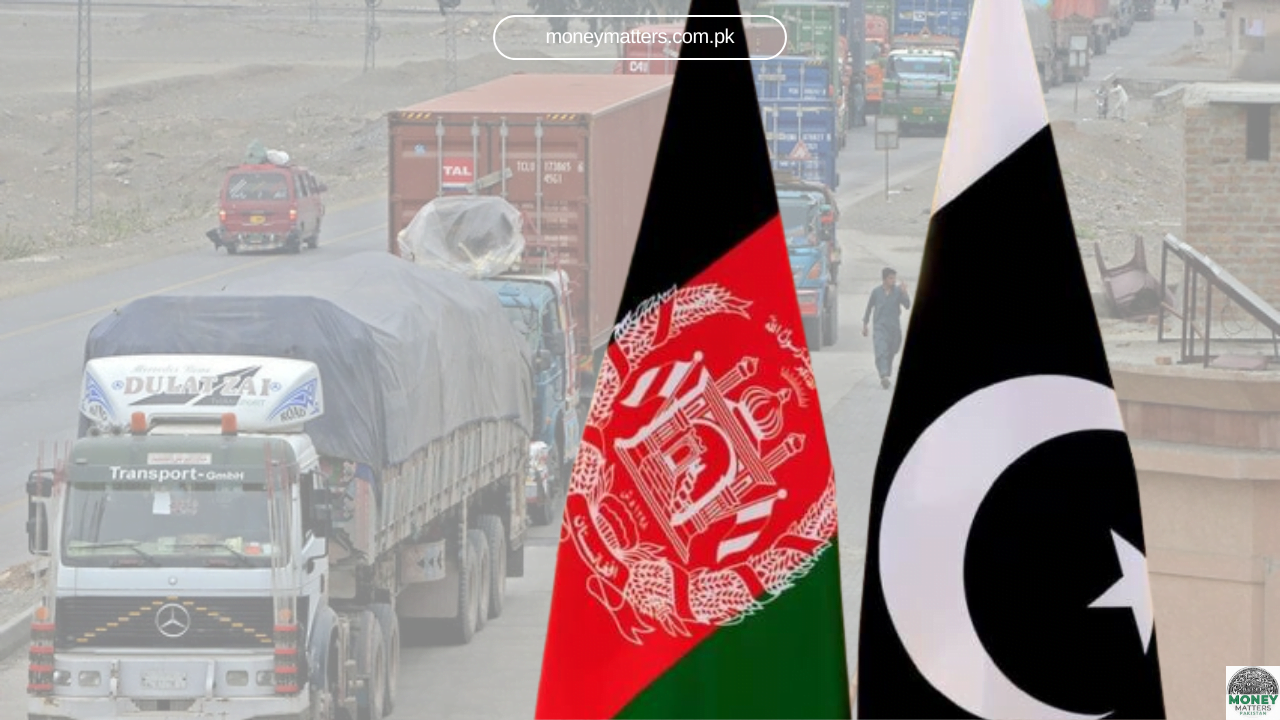
Tolo News, Afghanistan’s leading news and current affairs channel, has reported significant changes in the trade dynamics between Afghanistan and Pakistan. These changes, effective from July 15th, mandate that trucks carrying commercial goods between the two nations must obtain a temporary transit permit.

A document obtained by Tolo News reveals that “the Pakistani government has ordered the unloading of these trucks without a permit by this date as well.” This has sparked considerable concern among Afghan traders, who have been vocal about the added pressure these regulations place on their operations.

Naqibullah Safi, Executive Director of the Afghanistan-Pakistan Joint Chamber of Commerce, highlighted the efforts being made to address these issues. He stated, “The Afghanistan-Pakistan Joint Chamber has shared this challenge with the office in Karachi, our embassy in Pakistan is working on it, and this issue is being pursued. We hope it will be resolved.”

Traders have expressed frustration over the increased customs tariffs on fresh vegetables and fruits from Afghanistan, coupled with the new permit requirements. Omid Haidari, a trader, and Abdul Ghafoor Naseri, head of the General Council of Kabul Markets, voiced their concerns, saying, “Unfortunately, our export traders are suffering. Right now, as I speak with them, hundreds of our trucks are halted due to high tariffs, transport, and fumigation costs. This problem has been created for us from both sides.”

Islamic Emirate’s embassy in Islamabad recently expressed concern over the halt of 300 trucks carrying Afghan fruits and vegetables at the ports between Afghanistan and Pakistan.

Naseri further emphasized the mutual dependence on trade between the two countries: “Most of Afghanistan’s fruit goes to Pakistan and is sold there, and similarly, Pakistani fruit is sold in Afghan markets. We urge both governments to maintain friendly relations as it benefits both countries.”

The Chamber of Commerce and Investment echoed these sentiments, pointing out that the transportation challenges are harmful to both economies. Mohammad Younus Momand, First Deputy of the Chamber of Commerce and Investment, urged the authorities to “create a mechanism to separate trade from politics,” noting that daily blockages have been exhausting for Afghan traders.

Adding to the urgency, the Islamic Emirate’s embassy in Islamabad recently expressed concern over the halt of 300 trucks carrying Afghan fruits and vegetables at the ports between Afghanistan and Pakistan. In a meeting with Pakistani officials, the delegation stressed the importance of resolving these issues promptly.
You Might Also Like

Pakistan’s Remittances Surge to $30.3 Billion in Fiscal Year 2023-24

Pakistan’s Power Sector Circular Debt Hits Rs2.655 Trillion

Alarming Circular Debt in Pakistan’s Gas Sector

British Investment Firm Eyes Pakistan’s Lucrative Energy Sector

Pakistan and Afghanistan Revive Trade Talks to Boost Economic Ties

TAGGED:Afghan-Pakistani trade relationsAfghanistan temporary transit permitAfghanistan tradecustoms tariffsMoney Matters PakistanPakistan Afghanistan trade disruptionsPakistan trade
Share This Article
Facebook Email Print
Leave a Comment

Leave a Reply

You must be logged in to post a comment.

Pakistan Economy

Pakistan Achieves Historic Fiscal Deficit Below 1%

May 12, 2026
Remittances

Pakistan Receives $3.5 Billion in Remittances in April — Up 11.4% Year-on-Year

May 11, 2026
Analyses/Guest Posts

“Every Opportunity Became a Business Model for Extraction” — Dr Umar Saif

May 10, 2026
China & CPEC related

Pakistan Eyes Historic Panda Bond Debut in China Next Week

May 10, 2026
Banking sector

SBP Spent $27 Billion Buying Dollars to Build Reserves 

May 8, 2026
  • Home
  • About us
  • Latest
  • News Categories
    • Pakistan Regional Trade & Ties
    • Debt Matters
    • Budget & Taxation
    • Food & Agriculture Economy
    • Public Sector Enterprises
    • Pakistan Economy
    • Exports
    • IMF Matters
    • Energy and Power
    • Analyses/Guest Posts
  • Write for us
  • Contact
Reading: New Trade Restrictions Impact Afghan-Pakistani Commerce
Share

About US

Are you passionate about economics, finance, or business? Whether you’re a journalist digging into the latest economic policies, an expert unraveling market trends, a student eager to share fresh perspectives, or a budding writer with a knack for financial storytelling, we’d love to hear from you at Money Matters.
Pakistan Achieves Historic Fiscal Deficit Below 1%
May 12, 2026
Pakistan Receives $3.5 Billion in Remittances in April — Up 11.4% Year-on-Year
May 11, 2026
“Every Opportunity Became a Business Model for Extraction” — Dr Umar Saif
May 10, 2026
Pakistan Eyes Historic Panda Bond Debut in China Next Week
May 10, 2026
© Money Matters. All Rights Reserved.
Welcome Back!

Sign in to your account

Username or Email Address
Password

Lost your password?

Not a member? Sign Up