
Ahmed Mukhtar, an esteemed international economist renowned for his incisive analysis of economic policies, recently penned an insightful article addressing critical issues facing Pakistan’s economy. Mukhtar’s latest piece delves into the looming fiscal deficit anticipated in Pakistan’s federal budget for 2024-25, which he describes as “the real elephant in the room.”
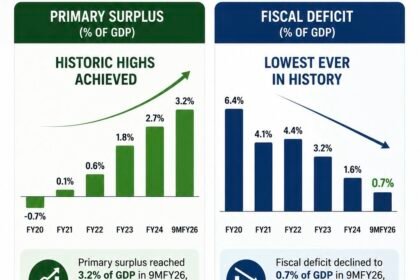
According to Mukhtar, the announced deficit of Rs8,500 billion is not just a daunting 8% of the GDP but also accounts for a staggering 45% of the total budget for the fiscal year. He cautions that the actual financial burden could escalate further due to the significant domestic financing required, which comes at an exorbitant lending rate, potentially inflating the deficit even higher than reported.
In his critique of current fiscal policies, Mukhtar highlights the limited effectiveness of recent tax measures, which, despite generating approximately Rs100 billion in additional revenue, fail to substantially reduce the deficit. He emphasizes that the deficit remains alarmingly high, constituting a substantial 82% of the net federal receipts. This, Mukhtar argues, underscores Pakistan’s persistent struggle with mounting debt and the urgent need for strategic fiscal management to stabilize the economy in the long term.
To address these challenges, Mukhtar offers a series of pragmatic suggestions that he fears may be overlooked by policymakers. First and foremost, he advocates for a concerted effort to reduce government debt, acknowledging the difficulty in achieving this amidst economic uncertainties and political vulnerabilities. He proposes leveraging inflation and lower interest costs to mitigate the impact of high debt servicing expenses.
Mukhtar also stresses the importance of monetary policy adjustments, suggesting that the State Bank of Pakistan should consider cutting policy rates to stimulate productive investments by lowering the cost of capital and reducing domestic debt burdens. Additionally, he calls for a rationalization of taxation policies aimed at broadening the tax base and streamlining tax rates without unduly burdening taxpayers.
Furthermore, Mukhtar critiques the current system of subsidies, urging for fair and comprehensive reforms that address inefficiencies and inequities, particularly in subsidies benefiting the upper classes through tax exemptions and incentives.
In terms of fiscal expenditure, Mukhtar advocates for greater efficiency and transparency, emphasizing the need for zero-based budgeting for non-development expenditures to ensure optimal allocation of resources. He also highlights the importance of managing non-budgetary debt drivers and reforming state-owned enterprises to improve governance and reduce their drain on public finances.
Moreover, Mukhtar underscores the necessity of promoting economic growth and controlling expenditures to alleviate the fiscal strain. He encourages efforts to secure additional financing through enhanced exports, remittances, and private sector investments, rather than relying solely on traditional donors like the International Monetary Fund (IMF).
In conclusion, Mukhtar draws attention to the Fiscal Responsibility and Debt Limitation Act 2005, urging stakeholders to adhere to its provisions as a crucial step towards fiscal discipline. He metaphorically critiques the current budgetary approach, likening it to a chaotic cooking scenario where numerous cooks contribute to an ineffective “fiscal karhai.”
Ahmed Mukhtar’s comprehensive analysis serves as a compelling call to action for policymakers in Pakistan, urging them to adopt prudent fiscal measures and strategic economic policies to navigate the country towards sustainable economic stability amidst pressing fiscal challenges.
Source: https://tribune.com.pk/story/2475457/fiscal-gap-real-elephant-in-room