
By using this site, you agree to the Privacy Policy and Terms of Use.
Accept
Money Matters PakistanMoney Matters PakistanMoney Matters Pakistan
  • Home
  • About us
  • Latest
  • News Categories
    • Pakistan Regional Trade & Ties
    • Debt Matters
    • Budget & Taxation
    • Food & Agriculture Economy
    • Public Sector Enterprises
    • Pakistan Economy
    • Exports
    • IMF Matters
    • Energy and Power
    • Analyses/Guest Posts
  • Write for us
  • Contact
Reading: Hidden Costs in Pakistan’s Power Tariff
Share
Notification Show More
Font ResizerAa
Font ResizerAa
Money Matters PakistanMoney Matters Pakistan
Search
  • Home
  • About us
  • Latest
  • News Categories
    • Pakistan Regional Trade & Ties
    • Debt Matters
    • Budget & Taxation
    • Food & Agriculture Economy
    • Public Sector Enterprises
    • Pakistan Economy
    • Exports
    • IMF Matters
    • Energy and Power
    • Analyses/Guest Posts
  • Write for us
  • Contact
Have an existing account? Sign In
Follow US
Money Matters Pakistan > Blog > Pakistan Economy > Hidden Costs in Pakistan’s Power Tariff
British Investment Firm Eyes Pakistan's Lucrative Energy Sector
Pakistan Economy

Hidden Costs in Pakistan’s Power Tariff

Money Matters
Published July 11, 2024
4 Min Read

Key Takeaways

– Hidden costs in power tariffs are significantly increasing electricity prices for consumers in Pakistan.

– Charges related to US inflation and circular debt interest are among the main contributors to these costs.

– There is a growing demand for the government to renegotiate power purchase agreements with independent power producers (IPPs).

Overview

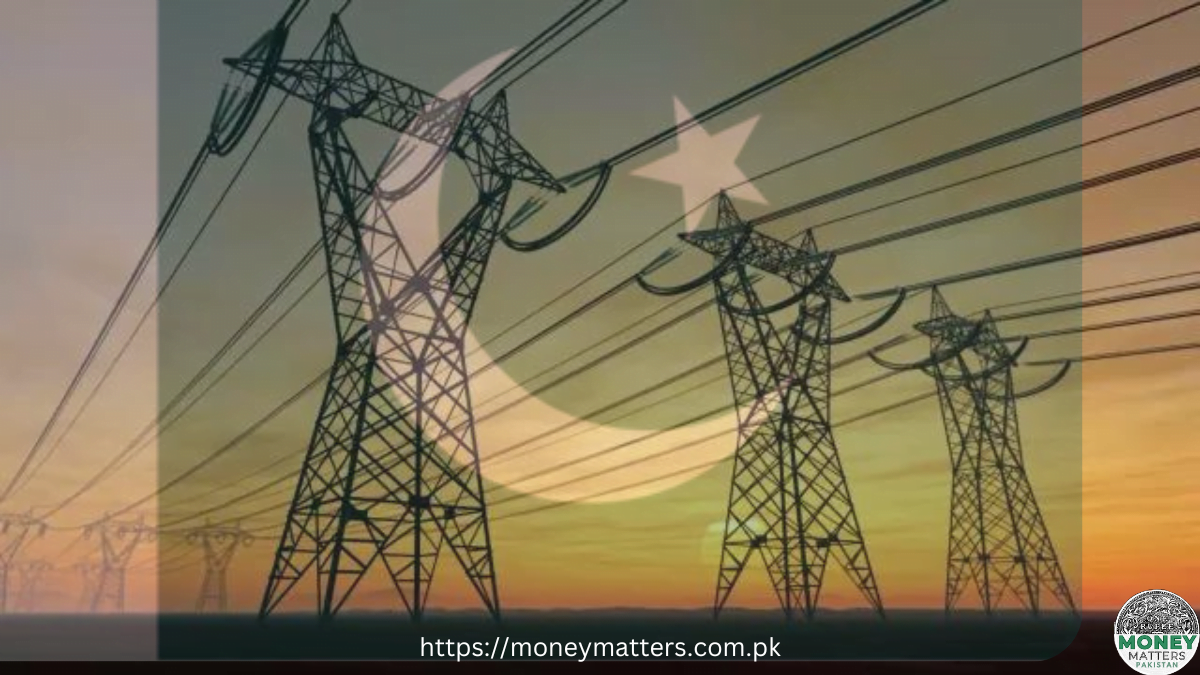
A recent study reveals that Pakistani households and businesses are facing unexpected charges in their power tariffs. These hidden costs include factors such as US inflation and interest on circular debt, leading to unaffordable electricity prices for end-users. This situation has prompted calls for the government to renegotiate power purchase agreements (PPAs) with power plant operators.

US Dollar Indexation and Inflation Charges

Many independent power producers (IPPs) continue to bill the government in US dollars for their electricity sales, utilizing US dollar indexation to shield themselves from the impacts of rupee depreciation and local inflation. However, this arrangement has left Pakistani consumers also bearing the brunt of US inflation costs. Dr. Khalid Waleed, an energy expert at the Sustainable Development Policy Institute (SDPI), highlighted at a recent seminar that many IPPs have linked their capacity charges with the US economy, causing electricity prices in Pakistan to rise with increases in US inflation.

Rising Tariffs and Public Response

The proposed increase in power tariffs has pushed consumer costs to levels that many find unaffordable, resulting in widespread protests. While the government has retracted the hike for protected consumers and reduced tariffs for industrial users by Rs6-7 per unit, household tariffs are still set to rise between 12-30%.

Capacity Payments and Circular Debt

At a seminar organized by the Centre for Economic and Energy Journalists (CEEF) in collaboration with SDPI, Dr. Waleed noted a significant increase in capacity payments for power plants. For instance, the capacity payment for an imported coal-fired power plant in Punjab surged by 216% over five years. Overall, capacity payments now constitute 70% of the power tariff due to US dollar indexation and interest payments on circular debt.

Structural Issues in the Power Sector

The power tariff structure is described as regressive, disproportionately impacting smaller consumers. Additionally, many components of the tariffs are tied to the global economy rather than the local one, further inflating costs. Ahad Nazir, another SDPI energy expert, pointed out that the increase in capacity charges is partly due to reduced power consumption from the national grid as more consumers switch to solar power. He also highlighted the disparity between installed power generation capacity (43,000 MW) and transmission capacity (23,000 MW), which has led to excessive generation capacity and rising capacity payments.

Future Outlook

The government aims to transition from a uniform end-consumer tariff to competitive tariffs at the distribution company level. However, this decentralization is not expected to be feasible for the next five to six years.
You Might Also Like

Pakistan Pharma Profits Hit Record Rs42.2bn in 2025

Pak Rupee Faces Continued Depreciation Amid Import Pressure

Pakistan Unveils Major Incentives for Overseas Nationals to Boost Economic Inflow

Pakistan’s Financial Markets See Surge in Inflows: A June 2024 Overview

Pakistan’s Business Community Expresses Growing Economic Concerns

TAGGED:IPPs chargesPakistan electricity costspower tariff Pakistan
Share This Article
Facebook Email Print
Leave a Comment

Leave a Reply

You must be logged in to post a comment.

Real Estate

Free Land Lease for Private SEZs

April 17, 2026
Foreign Exchange

Pakistan’s Foreign Reserves Climb to $20.52 Billion

April 16, 2026
Pakistan Economy

UBL Breaks Records with Rs 102 Billion Quarterly Profit

April 16, 2026
Pakistan Regional Trade & Ties

Saudi Arabia Pledges $8 Billion Boost to Pakistan’s Economy

April 16, 2026
Energy and Power

8 PM Market Closure in Islamabad

April 16, 2026
  • Home
  • About us
  • Latest
  • News Categories
    • Pakistan Regional Trade & Ties
    • Debt Matters
    • Budget & Taxation
    • Food & Agriculture Economy
    • Public Sector Enterprises
    • Pakistan Economy
    • Exports
    • IMF Matters
    • Energy and Power
    • Analyses/Guest Posts
  • Write for us
  • Contact
Reading: Hidden Costs in Pakistan’s Power Tariff
Share

About US

Are you passionate about economics, finance, or business? Whether you’re a journalist digging into the latest economic policies, an expert unraveling market trends, a student eager to share fresh perspectives, or a budding writer with a knack for financial storytelling, we’d love to hear from you at Money Matters.
Free Land Lease for Private SEZs
April 17, 2026
Pakistan’s Foreign Reserves Climb to $20.52 Billion
April 16, 2026
UBL Breaks Records with Rs 102 Billion Quarterly Profit
April 16, 2026
Saudi Arabia Pledges $8 Billion Boost to Pakistan’s Economy
April 16, 2026
© Money Matters. All Rights Reserved.
Welcome Back!

Sign in to your account

Username or Email Address
Password

Lost your password?

Not a member? Sign Up