
Adidas and 20 major European firms to visit Islamabad as envoy flags human rights and profit repatriation hurdles.
Key Takeaways
• Time-Sensitive Capital: Maersk’s $1 billion investment in Karachi Port risks being diverted if the government delays approval further.
• Corporate Interest: Top executives from 20 EU firms, including Adidas, are visiting to explore trade under the Global Gateway initiative.
• Governance Hurdles: EU envoys cited profit repatriation, taxation, and human rights as primary barriers to sustained foreign investment.
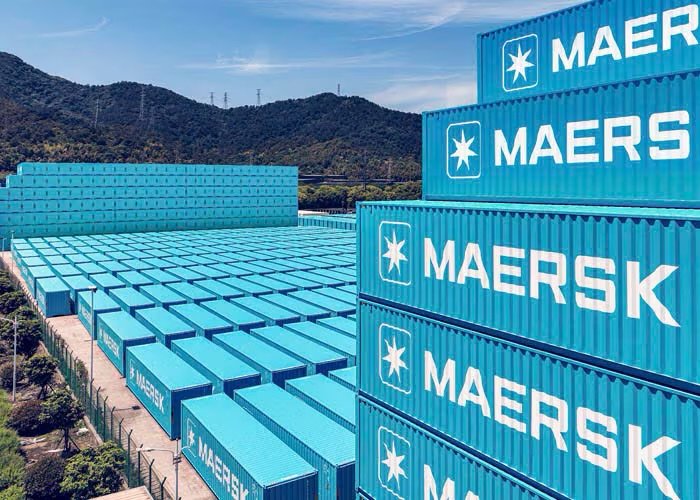
Money Matters Monitoring – In a significant development for the national economy, European Union officials have signaled that a massive $1 billion investment from Danish shipping giant Maersk remains on the table but carries a strict expiration date. A news story published by Express Tribune highlights that while the window for this transshipment project at Karachi Port is still open, further bureaucratic delays could see the capital diverted to other global markets.
Jeroen Willems, the EU’s First Counsellor and Head of Cooperation, emphasized that the Danish integrated container company is prepared to modernize Pakistan’s shipping and warehousing infrastructure. However, the lack of “predictability” in taxation and ongoing restrictions on profit repatriation continue to dampen the enthusiasm of foreign stakeholders.
Pakistan is a market of immense potential, but we cannot force the horse to drink the water if the policy environment remains unpredictable.
The warning comes just ahead of the Pakistan-EU Business Forum, slated for April 28-29, which Prime Minister Shehbaz Sharif is expected to inaugurate. The event marks a rare large-scale influx of European corporate leaders, including a high-level representative from Adidas.
Beyond the Maersk deal, EU Ambassador Raimundas Karoblis raised critical concerns regarding social and governance benchmarks. The envoy pointed to child rights, freedom of expression, and media rights as vital areas where Pakistan must show progress to maintain its competitive edge in European markets. Currently, the EU remains Pakistan’s largest export destination, accounting for 28% of total export proceeds, far outstripping the US and China.
With the GSP Plus scheme entering a critical transition phase, Pakistan’s ability to compete depends entirely on aligning with international standards.
The forum aims to bridge the “fear and anxiety” gap among European investors by facilitating over 600 business-to-business meetings. Furthermore, the European Investment Bank is set to return to the country after a decade-long hiatus, signaling a potential shift in the financial landscape if Islamabad can successfully navigate its current governance hurdles.