
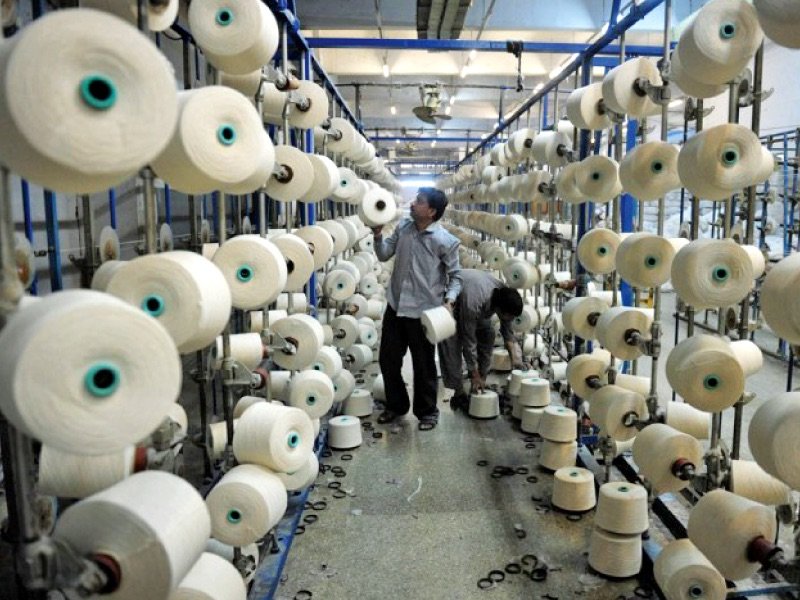
APTMA proposes a $2 billion industry-backed stability fund to cushion Pakistan’s reserves after UAE withdraws its deposit
Key Takeaways
- APTMA has proposed a $2 billion industry-backed stability fund to be deposited with the SBP as a direct alternative to the UAE deposit withdrawal, reflecting an unprecedented level of private sector intervention in Pakistan’s foreign reserves management.
- APTMA Chairman Kamran Arshad is set to meet PM Shehbaz Sharif to finalize a mutually workable solution, indicating that this proposal carries serious institutional weight and is not merely symbolic.
- Pakistan is managing the repayment of $3.5 billion to the UAE by end of April 2026, making the APTMA offer critically timed to prevent a visible drawdown in the country’s foreign exchange reserves.
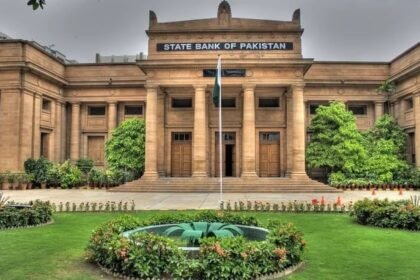
Karachi, Pakistan – The All Pakistan Textile Mills Association (APTMA) has put forward a bold proposal for its member manufacturers and industrial stakeholders to collectively form and deposit a $2 billion stability fund with the State Bank of Pakistan (SBP). The move comes in direct response to the UAE’s decision to recall its approximately $2 billion deposit from the SBP, part of a broader $3.5 billion repayment package that Pakistan is processing by the end of April 2026.
Speaking to media in Karachi, APTMA Chairman Kamran Arshad confirmed that the textile industry is actively working on this fund as a practical alternative to shore up the country’s foreign exchange reserves at a sensitive moment. “The business community stands shoulder-to-shoulder with the government and will not allow any disruption to the national economy,” he said, signaling the private sector’s willingness to step in where bilateral support has stepped back.
The textile industry is not waiting on the sidelines. It is putting its money where its mouth is, and that changes the conversation entirely.
Kamran Arshad further revealed that APTMA representatives are planning to meet Prime Minister Shehbaz Sharif to jointly explore and finalize a workable solution to the reserves gap. He expressed confidence that direct dialogue with the government will lead to a constructive resolution of concerns tied to the withdrawal of external financial assistance.
APTMA has reportedly presented the government with a concrete alternative following the UAE’s deposit recall, and that the association intends to work closely with Islamabad to stabilize the situation.
The broader context adds weight to the urgency. Pakistan recently decided to repay $3.5 billion to the UAE, which included the $2 billion SBP deposit maturing around mid-April, under routine bilateral commercial agreements. Government officials have described the repayment as a matter of “national dignity,” even as policymakers carefully manage the country’s foreign exchange cushion. The timing has created a visible gap in the reserves outlook, making the APTMA offer both timely and politically significant.
A $2 billion private sector commitment to the SBP would not just fill a financial gap. It would send a powerful signal to international markets about Pakistan’s economic resilience.
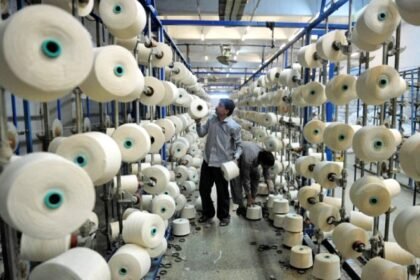
The textile sector, which remains one of Pakistan’s largest export earners and a key driver of industrial employment, is now positioning itself as a stabilizing force in national economic policy. This marks a notable shift, with industry bodies moving beyond lobbying and toward direct financial participation in managing macroeconomic challenges.