
By using this site, you agree to the Privacy Policy and Terms of Use.
Accept
Money Matters PakistanMoney Matters PakistanMoney Matters Pakistan
  • Home
  • About us
  • Latest
  • News Categories
    • Pakistan Regional Trade & Ties
    • Debt Matters
    • Budget & Taxation
    • Food & Agriculture Economy
    • Public Sector Enterprises
    • Pakistan Economy
    • Exports
    • IMF Matters
    • Energy and Power
    • Analyses/Guest Posts
  • Write for us
  • Contact
Reading: Alarming Surge in Khyber Pakhtunkhwa’s Debt Raises Concerns
Share
Notification Show More
Font ResizerAa
Font ResizerAa
Money Matters PakistanMoney Matters Pakistan
Search
  • Home
  • About us
  • Latest
  • News Categories
    • Pakistan Regional Trade & Ties
    • Debt Matters
    • Budget & Taxation
    • Food & Agriculture Economy
    • Public Sector Enterprises
    • Pakistan Economy
    • Exports
    • IMF Matters
    • Energy and Power
    • Analyses/Guest Posts
  • Write for us
  • Contact
Have an existing account? Sign In
Follow US
Money Matters Pakistan > Blog > Debt Matters > Alarming Surge in Khyber Pakhtunkhwa’s Debt Raises Concerns
Alarming Surge in Khyber Pakhtunkhwa's Debt Raises Concerns
Debt Matters

Alarming Surge in Khyber Pakhtunkhwa’s Debt Raises Concerns

Money Matters
Published July 14, 2024
4 Min Read

Key Takeaways:

  • Khyber Pakhtunkhwa’s debt has surged to 632 billion 44 crore and 80 lakh rupees by the end of the fiscal year 2023.
  • Mismanagement and ineffective financial policies are major contributors to this debt increase.
  • The province’s reliance on international loans is growing, raising questions about financial accountability.

Rising Debt and Financial Mismanagement

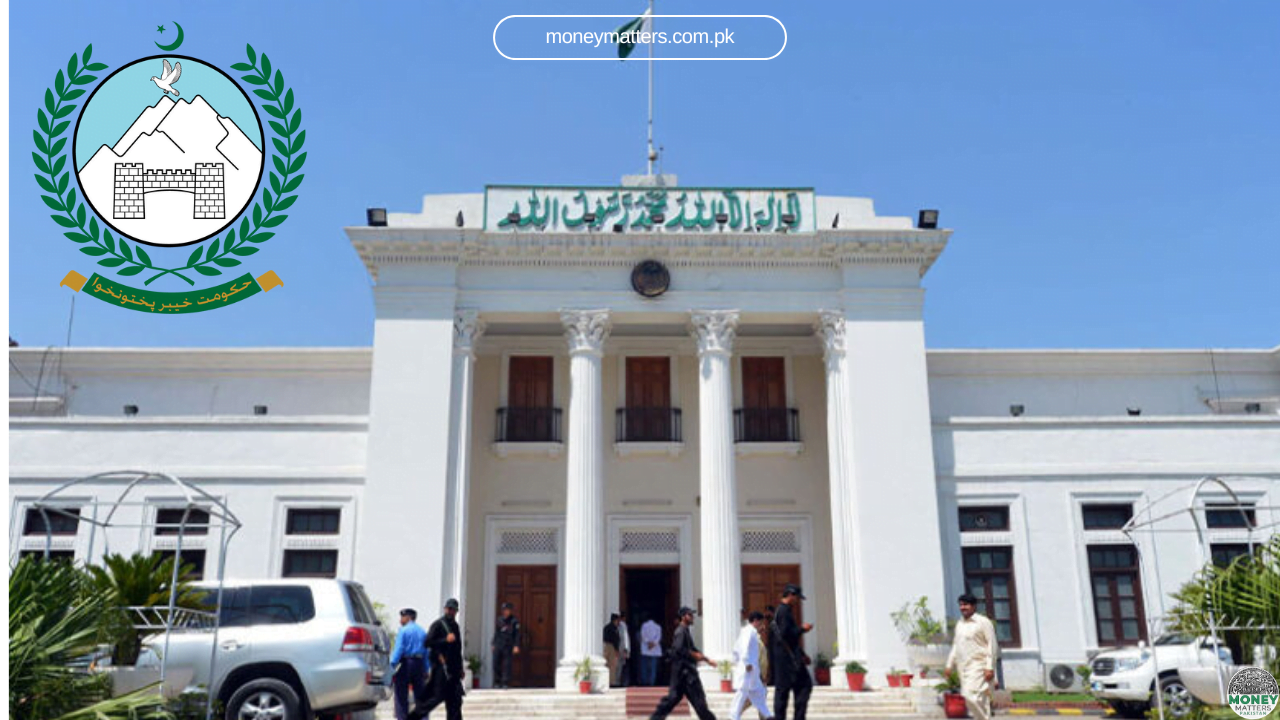
Khyber Pakhtunkhwa’s financial troubles have intensified over the past six months, with the province’s debt escalating to a staggering 632 billion 44 crore and 80 lakh rupees by the end of the fiscal year 2023. This marks an alarming rise of 101 billion 72 crore and 72 lakh rupees since earlier reports, according to the latest data from the Treasury Department.

Despite assertions of fiscal discipline, the province made repayments totaling 19 billion 16 crore and 20 lakh rupees during the same period. This included principal payments of 12 billion 79 crore and 80 lakh rupees and interest payments amounting to 6 billion 36 crore and 40 lakh rupees.

Contributing Factors to Debt Increase

The surge in debt is largely due to poor management and ineffective financial strategies by the provincial government. From June to December 2023, the borrowing rate soared by 19.17%, primarily driven by unfavorable exchange rate fluctuations. This volatile economic environment has deepened the province’s financial crisis, leading to an increased dependency on loans from international aid organizations.

Criticism Over Government’s Fiscal Policies

Critics argue that the provincial government’s inability to control spending and boost revenue streams has significantly contributed to the fiscal crisis. Despite assertions of fiscal discipline, the province made repayments totaling 19 billion 16 crore and 20 lakh rupees during the same period. This included principal payments of 12 billion 79 crore and 80 lakh rupees and interest payments amounting to 6 billion 36 crore and 40 lakh rupees.

Questionable Loan Acquisitions

The government’s approach to securing new loans, amounting to 37 billion 45 crore and 80 lakh rupees, has raised concerns about its capability to manage public funds responsibly. A significant portion of these loans, about 89.5%, is allocated to 32 ongoing projects funded by international aid agencies, with substantial contributions from the Asian Development Bank and the World Bank.

Breakdown of Loan Allocations

The loan breakdown reveals significant allocations, including 310 billion 90 crore and 38 lakh rupees from the Asian Development Bank and 254 billion 81 crore and 21 lakh rupees from the World Bank. Additional funds come from agencies like JICA and the French Agency, aimed at various sectors such as transportation, economic development, energy, health, education, water management, and agriculture.

Concerns Over Transparency and Accountability

Amid these financial challenges, issues of transparency and accountability within the provincial administration are increasingly worrisome. The lack of stringent financial oversight and the failure to implement effective fiscal policies have exacerbated Khyber Pakhtunkhwa’s economic difficulties.
You Might Also Like

Fauji Fertilizer Reports Soaring Profits

US-China Trade War Intensifies, Impacting Global Markets and Pakistan

Bilateral trade between Pakistan & Indonesia increase to $4.511 billion

Pakistan and UAE Forge Stronger Economic Ties Through Joint Business Council

IATA Urges Pakistan to Reconsider 150% Tax Hike on International Air Tickets

TAGGED:Khyber Pakhtunkhwa debtKhyber Pakhtunkhwa international loansKP financial mismanagementMoney Matters PakistanPakistan economy
Share This Article
Facebook Email Print
Leave a Comment

Leave a Reply

You must be logged in to post a comment.

Pakistan Economy

Pakistan Achieves Historic Fiscal Deficit Below 1%

May 12, 2026
Remittances

Pakistan Receives $3.5 Billion in Remittances in April — Up 11.4% Year-on-Year

May 11, 2026
Analyses/Guest Posts

“Every Opportunity Became a Business Model for Extraction” — Dr Umar Saif

May 10, 2026
China & CPEC related

Pakistan Eyes Historic Panda Bond Debut in China Next Week

May 10, 2026
Banking sector

SBP Spent $27 Billion Buying Dollars to Build Reserves 

May 8, 2026
  • Home
  • About us
  • Latest
  • News Categories
    • Pakistan Regional Trade & Ties
    • Debt Matters
    • Budget & Taxation
    • Food & Agriculture Economy
    • Public Sector Enterprises
    • Pakistan Economy
    • Exports
    • IMF Matters
    • Energy and Power
    • Analyses/Guest Posts
  • Write for us
  • Contact
Reading: Alarming Surge in Khyber Pakhtunkhwa’s Debt Raises Concerns
Share

About US

Are you passionate about economics, finance, or business? Whether you’re a journalist digging into the latest economic policies, an expert unraveling market trends, a student eager to share fresh perspectives, or a budding writer with a knack for financial storytelling, we’d love to hear from you at Money Matters.
Pakistan Achieves Historic Fiscal Deficit Below 1%
May 12, 2026
Pakistan Receives $3.5 Billion in Remittances in April — Up 11.4% Year-on-Year
May 11, 2026
“Every Opportunity Became a Business Model for Extraction” — Dr Umar Saif
May 10, 2026
Pakistan Eyes Historic Panda Bond Debut in China Next Week
May 10, 2026
© Money Matters. All Rights Reserved.
Welcome Back!

Sign in to your account

Username or Email Address
Password

Lost your password?

Not a member? Sign Up