

Key Takeaways:
- Reassessing Taxation and Industrialization: Shabbar Zaidi highlights the misleading nature of Pakistan’s tax-to-GDP ratio, advocating for inclusion of sectors like agriculture and real estate. He underscores the urgent need to shift from a trading to a manufacturing economy, proposing incentives for manufacturing and infrastructure improvements.
- Challenges and Solutions in Economic Restructuring: The discussion identifies critical challenges such as high local debt and interest rates. The speakers emphasize the necessity of restructuring debt and controlling fiscal deficits to stabilize Pakistan’s economy.
- Social Issues as Precursors to Economic Growth: Addressing educational deficits and unemployment is seen as fundamental to Pakistan’s economic progress. Ammar Khan and Shabbar Zaidi stress the need for local solutions and societal improvements ahead of economic reforms.
In a recent YouTube podcast titled “Why Should Anyone Invest In Pakistan?“, Ammar Khan and Shabbar Zaidi engage in a thought-provoking discussion about the current state and future prospects of Pakistan’s economy. Amidst a backdrop of economic challenges and missed opportunities, the conversation delves into key issues ranging from taxation policies to infrastructure development, offering a candid assessment of what lies ahead for the nation.
Shabbar Zaidi, a seasoned tax and finance expert, brings forth a critical observation regarding Pakistan’s tax-to-GDP ratio. He argues that the commonly cited ratio is skewed due to significant omissions, particularly from the agriculture and real estate sectors. According to Zaidi, these sectors are major contributors to the economy but remain largely untaxed. This oversight not only distorts the economic metrics but also impedes the growth potential of other sectors, such as manufacturing, which could otherwise thrive with a fairer tax structure.
The conversation pivots towards the overarching theme of industrialization. Both Khan and Zaidi express concerns over Pakistan’s historical preference for a trading-based economy over manufacturing. They lament how this approach has perpetuated dependency on imports and hindered the development of local industries. Zaidi proposes a strategic shift towards incentivizing manufacturing, citing the need for accessible industrial plots and improved infrastructure to support this transition effectively.
A recurring theme throughout the discussion is the intertwined nature of economic and social challenges. Khan emphasizes that addressing Pakistan’s educational deficits and unemployment crisis is pivotal for sustainable economic growth. He argues that without a well-educated and employed workforce, any economic reforms would struggle to gain traction. This viewpoint underscores the interconnectedness of social welfare and economic progress, challenging policymakers to adopt a holistic approach to development.
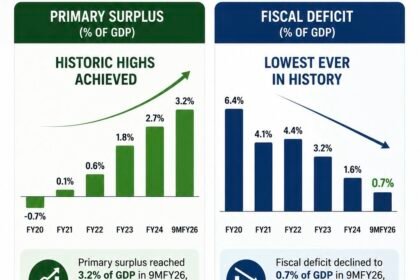
The podcast also delves into the thorny issue of local debt and its implications for Pakistan’s economic stability. Zaidi and Khan agree on the urgency of restructuring local debt and controlling fiscal deficits to prevent further economic deterioration. They analyze the impact of high interest rates on businesses and advocate for a balanced approach that supports economic growth without exacerbating debt burdens.
Moreover, the discussion touches upon the role of external influences and internal policies in shaping Pakistan’s economic trajectory. Zaidi critiques the prevalent reliance on International Monetary Fund (IMF) interventions as short-term fixes, advocating instead for locally-driven economic strategies that prioritize long-term sustainability. Khan echoes this sentiment, urging a shift away from reactive policymaking towards proactive measures that nurture indigenous industries and reduce dependency on external aid.
In conclusion, the podcast offers a compelling narrative on Pakistan’s economic challenges and opportunities. It challenges conventional wisdom, advocating for bold reforms that prioritize industrialization, address social inequalities, and restructure debt. Khan and Zaidi’s insights underscore the need for a comprehensive economic strategy that balances short-term stability with long-term prosperity, positioning Pakistan on a path towards unlocking its full economic potential.
As Pakistan navigates its economic landscape, the perspectives shared in this podcast serve as a rallying call for policymakers, economists, and stakeholders to collectively envision and enact transformative reforms. By addressing systemic inefficiencies, fostering innovation, and investing in human capital, Pakistan can aspire to achieve sustainable economic growth and emerge as a beacon of opportunity in the global arena.