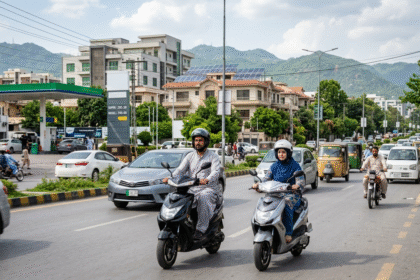

Rising petrol prices, government incentives, and cheaper solar-powered charging are pushing electric two-wheelers into the mainstream across Pakistan.
Key Takeaways
• Electric two-wheeler sales in Pakistan jumped sharply in 2025, with 2026 momentum still rising.
• High petrol costs and low per-kilometre running expenses are making e-bikes attractive for daily commuters.
• Punjab’s subsidy-led bike schemes and Pakistan’s expanding rooftop solar base are supporting the shift to electric mobility.
Islamabad, Pakistan – Pakistan’s electric bike market is accelerating fast, with recent reports showing a sharp jump in sales as commuters search for cheaper transport amid persistent fuel inflation. Market trackers say electric two-wheeler sales rose strongly in 2025 and have continued climbing in early 2026, while government-backed schemes in Punjab are further boosting adoption.
What’s Driving Demand
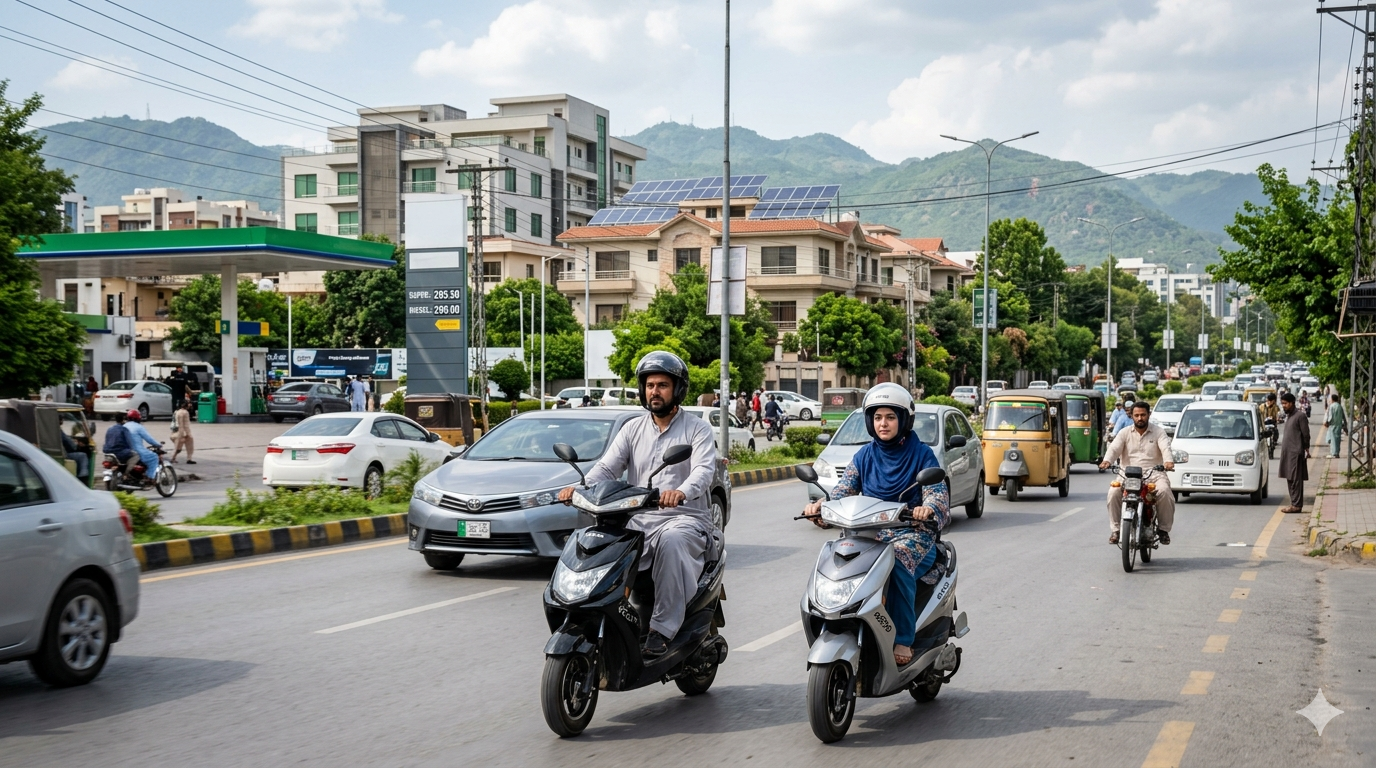
The main push is economics: petrol bikes remain expensive to run, while e-bikes offer much lower operating costs, making them appealing for students, workers, and delivery riders. Analysts also point to congestion, pollution concerns, and a wider shift toward affordable mobility as additional drivers.
Government policy is adding fuel to the trend. Punjab’s subsidised bike programmes and broader EV incentives are making e-bikes easier to buy, especially for younger riders and lower-income households. Industry reports also suggest Pakistan’s electric two-wheeler segment could capture a much larger share of the market over the coming years if incentives and supply keep expanding.
Solar Power Advantage
A major Pakistan-specific factor is rooftop solar adoption, which lowers charging costs further for households that already generate their own electricity. Recent reporting and energy analysis show Pakistan has seen a rapid rooftop-solar expansion, especially in distributed and net-metered systems. That makes e-bikes even more practical for homes with solar panels, especially in urban areas where short daily trips dominate.
Market Outlook
With more manufacturers and importers entering the EV segment, the market is likely to become more competitive on price and range. That could accelerate adoption in major cities such as Lahore, Karachi, Faisalabad, and Islamabad, where daily commuting costs matter most. If financing remains available and charging or home-solar use keeps growing, e-bikes could move from niche transport to a mainstream commuting choice in Pakistan.
Disclaimer
This report is for informational purposes and does not necessarily reflect the views of ‘Money Matters Pakistan’. We welcome any corrections or alternative viewpoints from our readers to ensure a balanced perspective.