
KSE-100 falls 14.54% in Q3 amid war and oil shock, but domestic strength limits damage, says regulator.
Key Takeaways:
- KSE-100 fell 14.54% in Q3 FY2026 amid US-Iran war and global risk-off sentiment.
- Domestic investor participation and reforms helped sustain market confidence despite the decline.
- Index hit all-time high of 191,033 on Jan 26 before closing at 148,743 on Mar 31.
Money Matters Monitoring – Pakistan’s capital market demonstrated notable resilience during the third quarter of FY2025–26, even as the US-Iran war, surging oil prices, and a global risk-off sentiment rattled financial markets worldwide, according to the Securities and Exchange Commission of Pakistan (SECP).
In its Quarterly Market Review for Q3 FY2025–26, the SECP noted that the conflict pushed Brent crude up by 10–13% in the early days of the war. US software stocks declined about 23%, while the S&P 500 fell 4.3%. MSCI Europe ex-UK dropped 3.2%, MSCI Asia slipped 1.1%, and MSCI Emerging Markets eased just 0.1%.
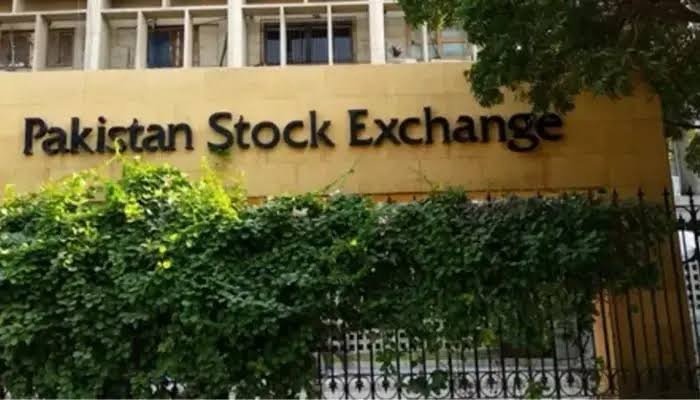
Against this turbulent backdrop, Pakistan’s KSE-100 index declined 14.54% during the quarter. However, the SECP highlighted that strong domestic investor participation, continued primary market activity, and regulatory reforms helped sustain market confidence.
The KSE-100 opened the quarter at 174,054 points and touched an all-time high of 191,033 on January 26. It later closed at 148,743 on March 31, after recording an intra-quarter low of 144,119 on March 19 — a peak-to-trough decline of 22.57%. The broader KSE All Share index fell 14.85%, while the KSE-30 declined 15.52%.
Despite the steep correction, the SECP’s review underscores the underlying strength of Pakistan’s equity market, contrasting its performance with deeper falls in some advanced markets.