
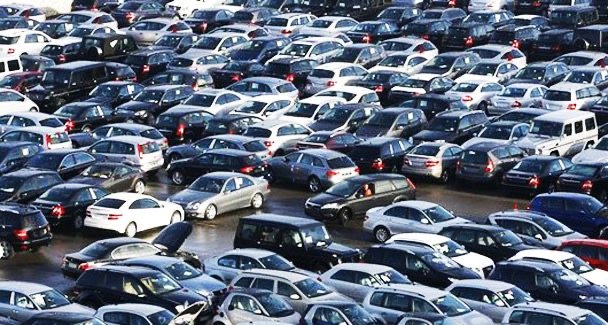
A new auto sector policy agreed with the IMF will cut weighted average vehicle import tariffs from 10.6% to 7.4% by 2030.
Key Takeaways:
- Pakistan has agreed with the IMF to cut the weighted average tariff on vehicle imports from 10.6% to 7.4% over four years, reaching below 6% in the auto sector by FY30.
- A new four-slab customs duty system of 0%, 5%, 10% and 15% will replace the current complex tariff structure, with all Additional Customs Duties and Regulatory Duties phased out.
- The 40% regulatory duty on used vehicle imports for FY26 will taper to zero by 2030, while the personal baggage scheme has been abolished and criteria for gift and transfer of residence imports tightened.
Money Matters Monitoring – Pakistan is set to overhaul its automobile sector trade regime under a new five-year auto policy agreed with the International Monetary Fund, which will progressively dismantle one of the most heavily protected sectors in the country’s economy and open it to significantly more import competition.
A news story published by The News International revealed that under the planned policy, the weighted average tariff on vehicle imports will be cut from 10.6% to 7.4% over four years by 2030. In the upcoming 2026-27 budget, the average rate is expected to fall to 9.5% as the first step in that roadmap.
The policy, currently at an advanced stage of preparation, is due to be shared with the IMF by the end of April 2026 — before it goes to the federal cabinet for approval. Adviser to the Prime Minister on Industries Haroon Akhtar Khan confirmed the policy’s advanced status, saying all stakeholders had been consulted and a balancing act would be applied where disagreements remain.
Tariff Structure Simplified, Protection Stripped
The most significant structural change is the move to a four-slab customs duty system of 0%, 5%, 10% and 15% — replacing the current multi-tiered regime that the IMF has long criticised as excessive. As The Express Tribune reported, the new policy must end protection for local car assemblers and parts manufacturers and bring import tariffs to a net weighted average of 6% by 2030, aligning with the National Tariff Policy. The policy may also target enhancing sector exports to $3 billion and increasing vehicle production to over 500,000 units in the next five years.
All three main statutory regulatory orders — SROs 655, 656 and 693 — that have long underpinned the sector’s protection will be gradually phased out. The government has also committed to introducing no new Regulatory Duties on imports — a significant assurance given the sector’s history of ad hoc import restrictions.
Used Vehicles: Gradual Liberalisation
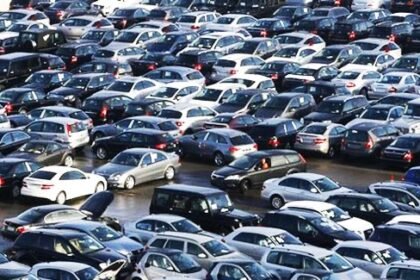
On used vehicle imports, the 40% regulatory duty currently in place for FY26 will decline each year and reach zero by 2030. As Dawn reported in June 2025, from July 1, 2026, the age limit for importing used cars and vehicles will be lifted entirely — though quality, safety and environmental standards will remain mandatory.
The personal baggage scheme for used vehicle imports has already been abolished, with criteria for the gift and transfer of residence schemes tightened to prevent commercial misuse.
Regulatory Framework Updated
The Motor Vehicle Development Act, which gives the Engineering Development Board a statutory basis to enforce environmental and safety standards for all vehicles, has been submitted to parliament and is expected to be approved before the end of June 2026.
Pakistan’s automobile sector has historically been among the most protected in South Asia. Industry representatives have previously warned that the tariff reforms could result in over two million people losing their jobs and jeopardise Rs878 billion in annual income along with Rs302 billion in tax revenues. The government has maintained that the reforms are part of its structural commitments to the IMF aimed at trade liberalisation and providing consumers access to more affordable, safer vehicles.
Disclaimer
This report is for informational purposes and does not necessarily reflect the views of ‘Money Matters Pakistan’. We welcome any corrections or alternative viewpoints from our readers to ensure a balanced perspective.