
Rs. 2,000 per bike, farmer support and transport subsidies to offset recent petrol–diesel spike
Key Takeaways
- Targeted relief, not blanket subsidy: Sindh’s Rs35 billion package is designed to support identifiable groups—motorcyclists, small farmers, transporters—rather than subsidising fuel for all users.
- Digital‑driven delivery: The motorcycle subsidy will be disbursed through verified bank accounts via an online Excise Department system, aiming to reduce leakages and speed up payments.
- National‑level coordination: Sindh’s move dovetails with Punjab’s transport‑fare freeze and federal petrol‑levy reductions, re‑emphasising a coordinated inter‑governmental approach to manage fuel‑price shocks.
Karachi, Pakistan – In a fresh bid to cushion lower‑income households and key livelihood sectors from the shock of sharply higher fuel prices, the Sindh government has announced a Rs35 billion relief and subsidy package tailored for motorcyclists, small farmers, and the transport industry. The move comes barely days after a historic petrol and diesel hike pushed per‑litre prices by roughly 40–55 percent, adding to already high inflation and transport costs nationally.
What the package includes:
• Motorcycle subsidy: Registered motorcyclists in Sindh will receive a Rs2,000 monthly subsidy, effectively equivalent to about Rs100 per litre for 20 litres of petrol. This could benefit an estimated 6.7 million registered bikes in the province, with payments routed through bank accounts via an online Excise Department portal.
• Support for small farmers: Small irrigated‑farm owners (up to 25 acres) are to receive Rs1,500 per acre for one month in diesel‑fuel assistance, targetting around 336,000 registered farmers to help them absorb higher energy costs for pumps and machinery.
• Transport‑sector allowances: The package allocates subsidies to public‑transport and freight operators, including Rs100,000 per registered passenger bus, Rs70,000 for two‑axle trucks, and Rs80,000 for heavy trucks per month, to prevent immediate fare hikes and keep mobility costs stable for Karachi, Hyderabad and other major urban centres.
How it fits the national context
The Sindh measures form part of a broader, multi‑layered federal‑provincial response to the fuel‑price surge, which has been driven by the US–Israel conflict with Iran and sharply higher global oil prices. Punjab, meanwhile, has opted for one‑month free public transport and sector‑specific farmer and biker schemes, while the federal government has trimmed the petrol levy by Rs80 per litre after an initial spike that pushed petrol to around Rs458 per litre.
Fiscal and political implications
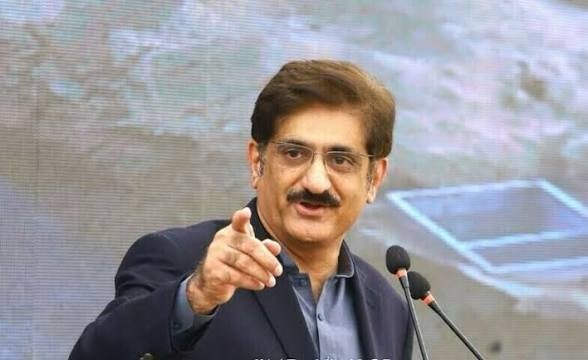
Chief Minister Murad Ali Shah has stated that the Sindh government will bear the full financial burden of the Rs35 billion tranche, framing it as a targeted, time‑bound measure rather than a blanket price freeze, to avoid worsening fiscal pressure and energy‑consumption distortions. For Pakistan’s economy overall, the relief‑package wave highlights the tension between social protection and budget discipline, especially as the country still contends with high external‑sector stress and IMF‑monitoring requirements.