

Complete on‑time settlement signals improved external‑debt management but still tests forex pressures
Key Takeaways
– Pakistan has fully repaid $1.43 billion in external debt, including a $1.3 billion Eurobond that matured on 8 April 2026, without any default or delay.
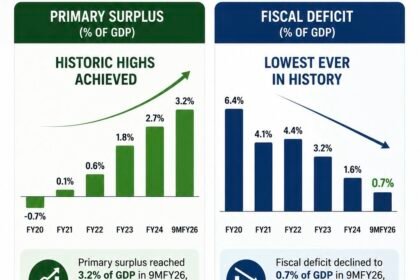
– The payment comes amid tight foreign‑exchange conditions, but the government presents it as proof of fiscal discipline and credibility with international investors.
– A successful repayment keeps Pakistan’s risk‑to‑IMF‑track intact, but upcoming Eurobond maturities and elevated debt‑service costs remain a concern for the nation’s balance‑of‑payments outlook.
Islamabad, Pakistan – Pakistan has fully settled a $1.43 billion external‑debt tranche, including the $1.3 billion Eurobond that matured on 8 April 2026, the federal finance ministry’s adviser has confirmed. The payment, made in full and on time, underscores the government’s focus on maintaining on‑time servicing of international obligations despite persistent strain on foreign‑exchange reserves and the broader balance‑of‑payments position.
From the IMF’s standpoint, an on‑time repayment lowers the odds of a programme‑scare scenario and helps keep the current review track on course, although the Fund continues to press for deeper structural reforms, particularly in energy circular debt and tax‑base broadening.
Scale and timing of the payment
The total outlay of $1.43 billion covers both principal and interest on the maturing Eurobond plus other external‑debt instalments falling due in early April. The Eurobond portion of $1.3 billion was one of the largest single external‑debt repayments scheduled for the current fiscal year, following a series of earlier on‑time settlements such as $500 million in Eurobonds in September 2025 and $1 billion in 2024. Officials have described the April 2026 payment as a key milestone in Pakistan’s effort to restore debt‑sustainability metrics and market confidence.
Impact on forex and market sentiment
Pakistan’s foreign‑exchange reserves have remained under pressure due to high import demand, energy‑related external‑sector obligations, and a relatively narrow export base. In this context, the smooth execution of the $1.43 billion payment is being read by local analysts as a sign that the country has managed to pre‑arrange financing—possibly through a mix of IMF‑related flows, fresh market borrowing, and non‑traditional sources—to avoid a sudden shock to the rupee or disruptions in the interbank market.
Investors have also reacted cautiously, noting that while timely repayments help maintain access to global capital markets, Pakistan’s external‑debt‑to‑exports ratio and upcoming Eurobond redemptions still pose refinancing risks if growth and remittances falter.
The Eurobond portion of $1.3 billion was one of the largest single external‑debt repayments scheduled for the current fiscal year, following a series of earlier on‑time settlements such as $500 million in Eurobonds in September 2025 and $1 billion in 2024.
Fiscal, political, and IMF‑track implications
The government has framed the April Eurobond repayment as a “fiscal discipline” success story, highlighting improved revenue collection, tighter expenditure management, and stronger cooperation with the IMF under the current $7 billion reform programme. From the IMF’s standpoint, an on‑time repayment lowers the odds of a programme‑scare scenario and helps keep the current review track on course, although the Fund continues to press for deeper structural reforms, particularly in energy circular debt and tax‑base broadening.