By using this site, you agree to the Privacy Policy and Terms of Use.
Accept
Money Matters PakistanMoney Matters PakistanMoney Matters Pakistan
  • Home
  • About us
  • Latest
  • News Categories
    • Pakistan Regional Trade & Ties
    • Debt Matters
    • Budget & Taxation
    • Food & Agriculture Economy
    • Public Sector Enterprises
    • Pakistan Economy
    • Exports
    • IMF Matters
    • Energy and Power
    • Analyses/Guest Posts
  • Write for us
  • Contact
Reading: Pakistan’s Economic Tightrope: Balancing China and the West
Share
Notification Show More
Font ResizerAa
Font ResizerAa
Money Matters PakistanMoney Matters Pakistan
Search
  • Home
  • About us
  • Latest
  • News Categories
    • Pakistan Regional Trade & Ties
    • Debt Matters
    • Budget & Taxation
    • Food & Agriculture Economy
    • Public Sector Enterprises
    • Pakistan Economy
    • Exports
    • IMF Matters
    • Energy and Power
    • Analyses/Guest Posts
  • Write for us
  • Contact
Have an existing account? Sign In
Follow US
Money Matters Pakistan > Blog > Pakistan Regional Trade & Ties > Pakistan’s Economic Tightrope: Balancing China and the West
Pakistan Regional Trade & Ties

Pakistan’s Economic Tightrope: Balancing China and the West

Money Matters
Published April 18, 2025
3 Min Read

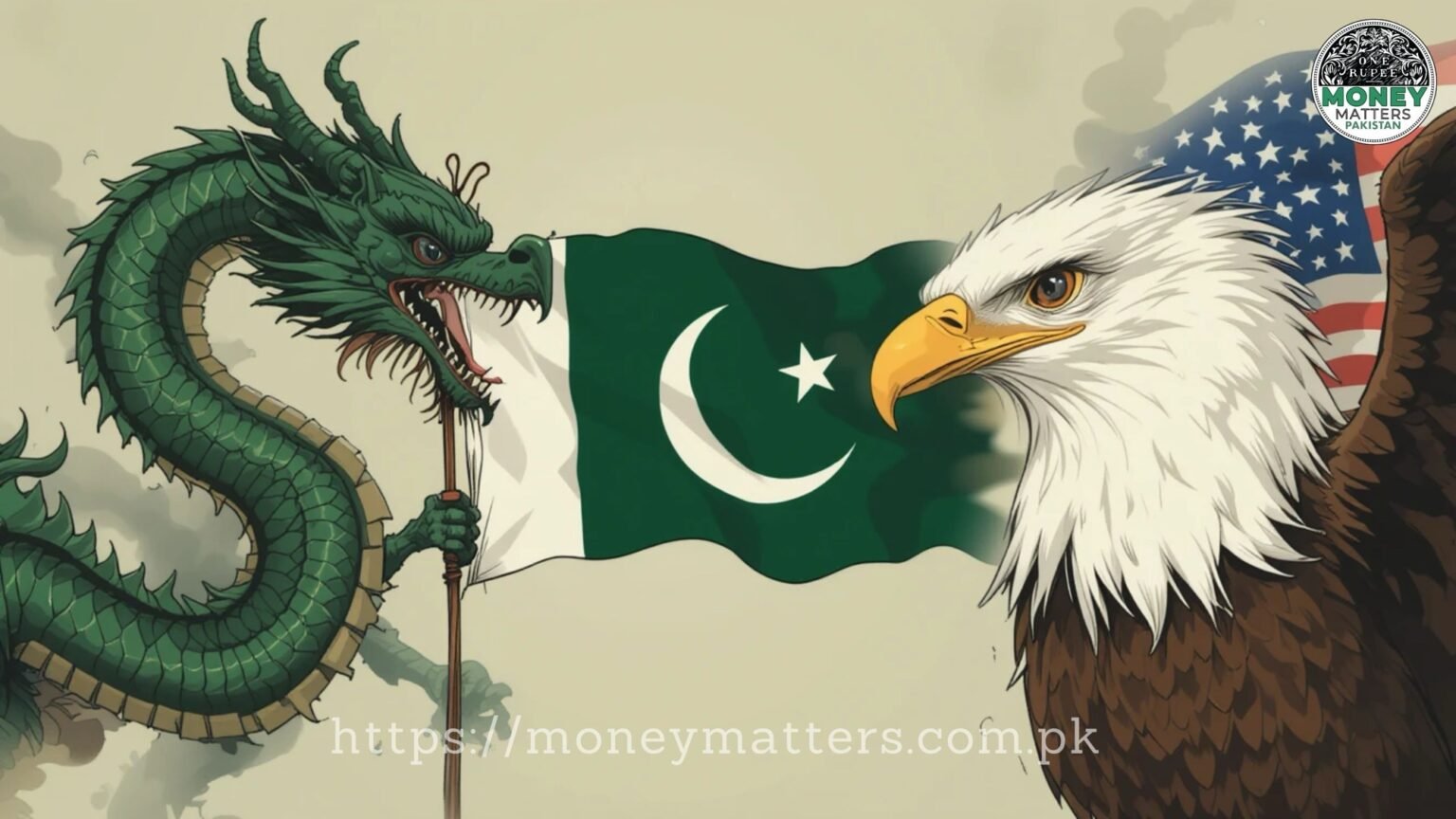
Growing debt and trade imbalances with China pose challenges as Pakistan seeks to maintain ties with Western markets.

Key Takeaways:

 * Pakistan faces a complex geopolitical challenge, needing to balance its economic reliance on China with its dependence on American and European markets for capital.

 * The country’s significant debt exposure to China, estimated at $28.79 billion, limits its ability to distance itself from Chinese influence.

 * Despite strong ties, there’s a reported decline in goodwill between China and Pakistan due to security concerns and repayment difficulties.


Money Matters Monitoring Desk – April 18, 2025 – A recent analysis published by Dawn (Pakistan) and featured in The Kathmandu Post, titled “Pakistan’s exposure to China” and authored by Khurram Husain, highlights the intricate economic and strategic dynamics facing Pakistan. The article points out that, “Pakistan earns its capital by participating in the markets of America and the European Union, and it spends this capital to purchase consumer goods as well as intermediate goods and machinery from China,” according to Husain.

China holds approximately $28.79 billion of Pakistan’s external debt, making it the largest bilateral creditor China becomes Pakistan’s largest creditor with $29bn loans. This substantial financial dependence complicates Pakistan’s efforts to diversify its economic partnerships and maintain an independent foreign policy.

Pakistan’s economic relationship with China is multifaceted. While the nation relies on Western markets for crucial capital, it depends heavily on China for consumer goods, machinery, and, significantly, arms. Data indicates that Pakistan is the largest buyer of Chinese arms, importing $5.28 billion worth between 2019 and 2024, constituting 81% of its total arms imports China and Pakistan.

Furthermore, Pakistan’s debt to China is a major concern. Recent reports indicate that China holds approximately $28.79 billion of Pakistan’s external debt, making it the largest bilateral creditor China becomes Pakistan’s largest creditor with $29bn loans. This substantial financial dependence complicates Pakistan’s efforts to diversify its economic partnerships and maintain an independent foreign policy.

The China-Pakistan Economic Corridor (CPEC), a major part of China’s Belt and Road Initiative, has further integrated the two economies. While CPEC has facilitated significant investment in Pakistan’s infrastructure, it has also increased Pakistan’s debt burden.

Adding to the complexity, recent reports suggest a strain in the relationship between the two countries. Security concerns and difficulties in repayment of debts have contributed to a decrease in goodwill.

In conclusion, Pakistan navigates a challenging economic landscape, balancing its strategic alliance with China against its need for access to Western markets and financial stability. Reducing reliance on bailouts and diversifying economic partnerships are crucial steps for Pakistan to secure its economic future.
You Might Also Like

Pakistan Pushes for Barter Trade Revival with Russia

China Urges US to Fully Scrap Tariffs Amid Trade Tensions

Pakistan Explores Panda Bond Market

Pakistan and Afghanistan Revive Trade Talks to Boost Economic Ties

Saudi Arabia Pledges $8 Billion Boost to Pakistan’s Economy

TAGGED:Belt and Road Initiative impactChina debt trapCPEC challengesDebt sustainability PakistanForeign investment Pakistan.Pak-China relationsPakistan economic crisisPakistan trade deficitSouth Asia geopoliticsUS economic influence Pakistan
Share This Article
Facebook Email Print
Pakistan Economy

Pakistan Achieves Historic Fiscal Deficit Below 1%

May 12, 2026
Remittances

Pakistan Receives $3.5 Billion in Remittances in April — Up 11.4% Year-on-Year

May 11, 2026
Analyses/Guest Posts

“Every Opportunity Became a Business Model for Extraction” — Dr Umar Saif

May 10, 2026
China & CPEC related

Pakistan Eyes Historic Panda Bond Debut in China Next Week

May 10, 2026
Banking sector

SBP Spent $27 Billion Buying Dollars to Build Reserves 

May 8, 2026
  • Home
  • About us
  • Latest
  • News Categories
    • Pakistan Regional Trade & Ties
    • Debt Matters
    • Budget & Taxation
    • Food & Agriculture Economy
    • Public Sector Enterprises
    • Pakistan Economy
    • Exports
    • IMF Matters
    • Energy and Power
    • Analyses/Guest Posts
  • Write for us
  • Contact
Reading: Pakistan’s Economic Tightrope: Balancing China and the West
Share

About US

Are you passionate about economics, finance, or business? Whether you’re a journalist digging into the latest economic policies, an expert unraveling market trends, a student eager to share fresh perspectives, or a budding writer with a knack for financial storytelling, we’d love to hear from you at Money Matters.
Pakistan Achieves Historic Fiscal Deficit Below 1%
May 12, 2026
Pakistan Receives $3.5 Billion in Remittances in April — Up 11.4% Year-on-Year
May 11, 2026
“Every Opportunity Became a Business Model for Extraction” — Dr Umar Saif
May 10, 2026
Pakistan Eyes Historic Panda Bond Debut in China Next Week
May 10, 2026
© Money Matters. All Rights Reserved.
Welcome Back!

Sign in to your account

Username or Email Address
Password

Lost your password?

Not a member? Sign Up