
Karachi plant ready in weeks, policy close to approval.
Key Takeaways:
- EV Technologies, a Karachi-based firm, is preparing to begin lithium-ion battery production at its Korangi Industrial Area plant within two to three months.
- The National Lithium-Ion Battery Manufacturing Policy 2026-31 has been forwarded to the Ministry of Industries and Production and is awaiting National Tariff Board review before cabinet approval.
- Pakistan currently imports all its lithium-ion batteries, with demand projected to rise from 1.25GWh in 2024 to 8.75GWh by 2030, making local production a matter of economic urgency.
Karachi, Pakistan – Pakistan is inching toward a milestone it has long talked about but never quite reached. The country’s first locally established lithium-ion battery manufacturing plant is weeks away from starting production, and the policy framework designed to back the industry is making its way through the final stages of government approval.
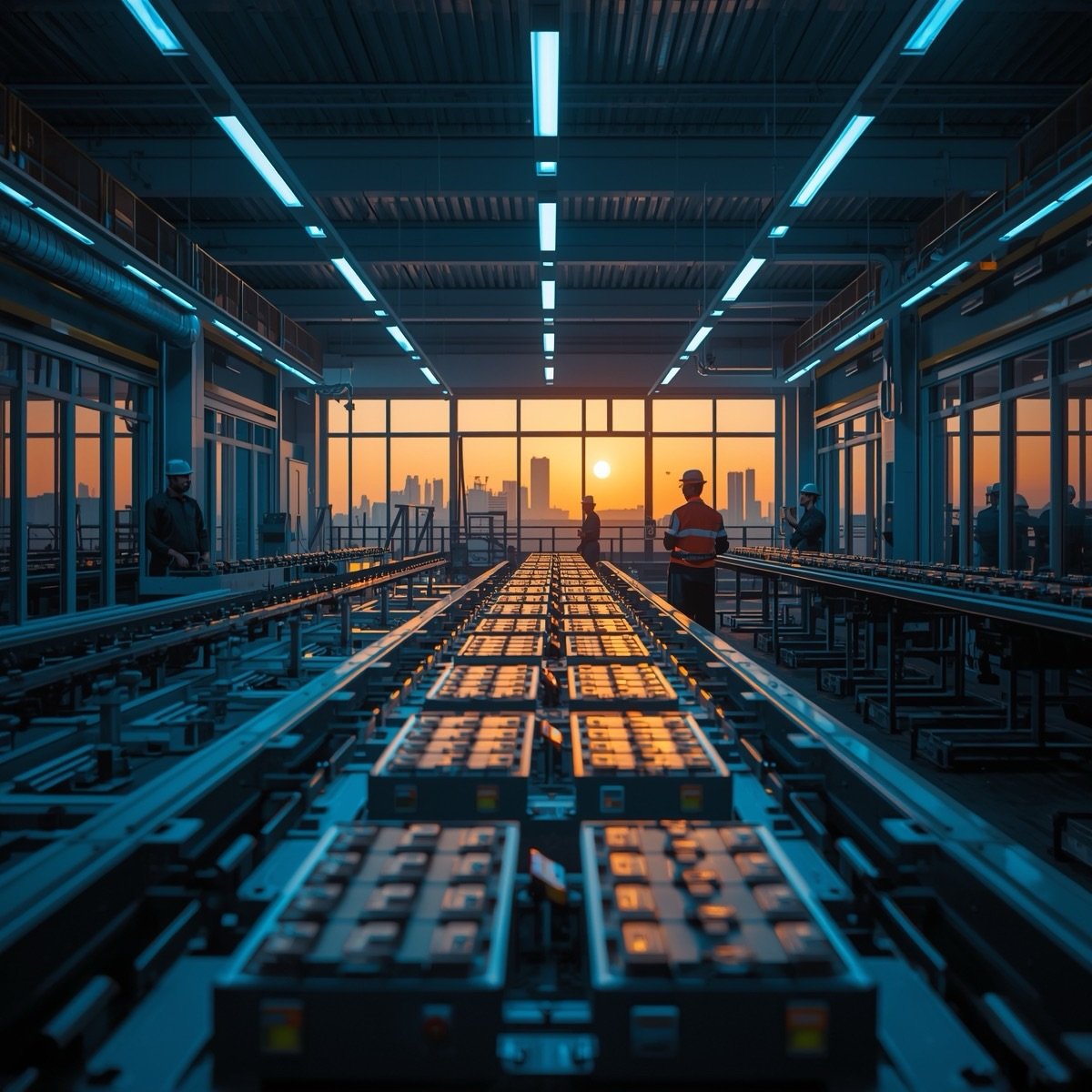
A Karachi-based engineering firm, EV Technologies, has submitted its production plan to the Engineering Development Board (EDB) and is preparing to set up a manufacturing plant in the Korangi Industrial Area. The facility is expected to become operational within the next two to three months, in line with the anticipated policy approval timeline. Pakistan Today
The development follows a report published by Dawn on March 7, 2026, in which EDB Chief Executive Hammad Mansoor stated that Pakistan’s first lithium battery manufacturing plant would begin production by May, with a second plant expected to start operations in September, and that about 74 per cent of battery components would be produced locally, which would significantly reduce the cost of electric vehicles. Dawn
With 74 per cent of battery components to be produced locally, the cost of an electric vehicle could drop significantly — a shift that could reshape how ordinary Pakistanis think about clean transport.
The initiative is being coordinated through the EDB in consultation with industry stakeholders, including the Pakistan Solar Association. The policy has been forwarded to the Ministry of Industries and Production and will soon be reviewed by the National Tariff Board. Once cleared, it will be submitted to the prime minister and then placed before the federal cabinet for final approval, with the relevant provisions expected to be incorporated into the Budget 2026-27 after clearance from the finance ministry. Daily Pakistan
Why the Numbers Make This Urgent
The scale of Pakistan’s current dependence on imported batteries puts the significance of this development into sharp relief. In a detailed report on the sector’s challenges, Dawn noted that Pakistan imported an estimated 1.25GWh of lithium-ion battery packs in 2024, with demand projected to rise to around 8.7GWh by 2030, in line with the National Electric Vehicle Policy 2025-30, which targets converting 30 per cent of all vehicles to electric by the end of the decade. Dawn
The same Dawn report also flagged the structural risks of remaining entirely import-dependent, pointing out that despite the potential, Pakistan lacks comprehensive national frameworks for battery recycling, production quality standards, and safe installation practices, and that with e-waste collection rates effectively negligible, most discarded batteries end up in landfills, posing serious environmental and health hazards. Dawn
Battery localisation is also projected to reduce costs sharply, with the import price of batteries currently standing at around $96, while local production is estimated to bring that figure down to approximately $72. PPI News Agency
What the Policy Is Designed to Do
Officials said the broader objective is to reduce dependence on imported complete battery units while building local capacity for energy storage solutions, particularly for electric vehicles and solar systems. At present, Pakistan relies heavily on imported lithium-ion batteries used in electric bikes, scooters, electric vehicles, and backup power systems, including UPS installations in sensitive facilities such as banks. Pakistan Today
According to EDB CEO Hammad Mansoor, four lithium battery manufacturing plants are currently being established across Pakistan, with the first factory expected to introduce locally produced lithium batteries by May 2026. The Express Tribune
Pakistan imported 1.25GWh of lithium-ion batteries in 2024 alone — and if nothing changes, that number is set to reach 8.75GWh by 2030. The clock is ticking on building local capacity.
The Bigger Picture
The lithium battery drive fits into a wider industrial push. Dawn’s earlier investigative feature on Pakistan’s lithium sector noted that substantial lithium deposits have reportedly been identified across several regions, including Balochistan, Gilgit-Baltistan, Khyber Pakhtunkhwa, Azad Jammu and Kashmir, and the Cholistan-Thar desert belt spanning Punjab and Sindh, Dawn suggesting that the country may eventually develop upstream mining capacity to complement its manufacturing ambitions.
For now, the more immediate test is whether EV Technologies’ Korangi plant gets off the ground on schedule and whether the policy clears the cabinet in time to be built into the next budget. Both would be small but consequential steps toward ending Pakistan’s total reliance on Chinese battery imports.