
First frozen meat truck rolls toward Tashkent via Gwadar.
Key Takeaways:
- Pakistan has formally launched a transit trade corridor through Iran, with the inaugural consignment of frozen beef departing from Karachi in refrigerated trucks toward Tashkent, Uzbekistan, under the internationally recognized TIR system.
- The corridor routes Pakistani exports through the Gabd border post near Gwadar and into Iran via the Rimdan crossing, providing an alternative overland route to Central Asian markets at a time when traditional land routes through Afghanistan have been repeatedly disrupted.
- Officials say the corridor will boost traffic at Pakistan’s ports and accelerate export growth, while analysts note that Pakistan’s bilateral trade with Iran currently stands at $3 billion and has been targeted to reach $10 billion in the coming years.
Islamabad, Pakistan – For the first time, a Pakistani refrigerated truck loaded with frozen beef has rolled out of Karachi toward Central Asia through Iran, marking the formal launch of a trade corridor that has been years in the making and could reshape how Pakistan connects with the landlocked markets of the region.
The Express Tribune reported that Director Transit Trade Customs Sanaullah Abro confirmed that the inaugural shipment comprising frozen meat was transported via refrigerated trucks to Tashkent, Uzbekistan, and that under the corridor, consignments from Pakistan would be routed through Gwadar and Iran onwards to the Central Asian states, with the operationalisation of the corridor expected to accelerate Pakistan’s economic growth and increase traffic at the country’s ports.
ProPakistani reported that the consignment was dispatched under the TIR system from BOML CFS Karachi and travels through the Gabd Border Post near Gwadar, entering Iran via Rimdan before continuing onward to Uzbekistan, with the inaugural shipment jointly facilitated by Pakistan Customs, with DG Transit Sanaullah Abro and Director Transit Rashid formally inaugurating the first two reefer TIR transport units.
A refrigerated truck of Pakistani beef heading to Tashkent through Gwadar and Iran is not just a trade story. It is a statement about where Pakistan is positioning itself on the regional map.
How the Corridor Works
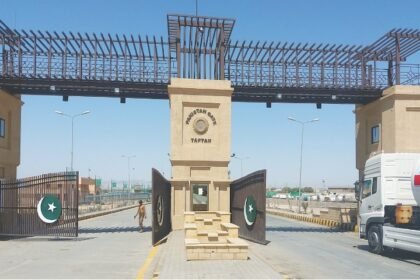
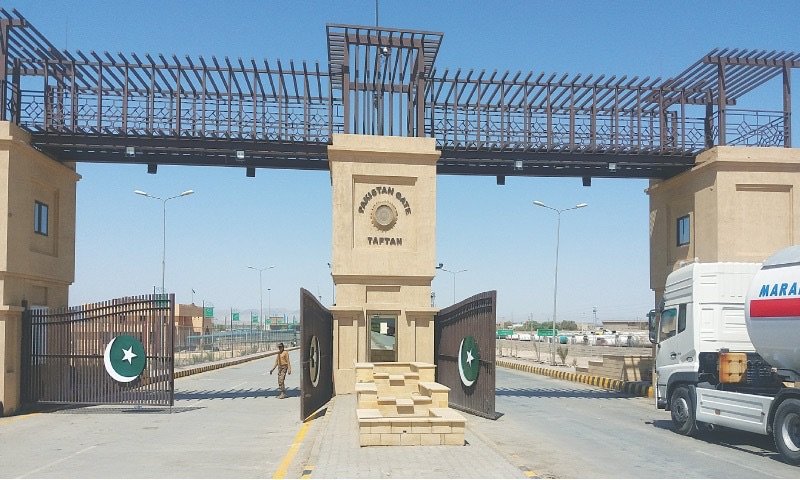
The route operates under the TIR system, which stands for Transports Internationaux Routiers, an internationally recognized framework designed to reduce border delays and simplify customs procedures across multiple countries in a single journey. Pakistan Today reported that according to the Directorate of Transit Trade Customs, TIR procedures have been streamlined and major border crossing points including Taftan, Rimdan, Sost and Gwadar have been activated for TIR transit, with the launch marking the beginning of formal trade activity on the route.
Arab News Pakistan added that the shipment contained frozen beef and was moved in transport trucks from Karachi to Uzbekistan, opening a new route crossing the Gabd-Rimdan border crossing between Pakistan and Iran.
Why the Timing Matters
The opening of this corridor is not incidental. Arab News explained the strategic logic clearly, reporting that the decision positions Iran as an alternative trade corridor for Pakistani exports to Central Asia at a time when traditional overland routes through Afghanistan have faced repeated disruptions, with Pakistan having closed key border crossings with Afghanistan amid escalating frontier tensions, constraining bilateral trade and limiting access to landlocked Central Asian markets, and that allowing exports through Iran provides exporters with a parallel route, reducing reliance on the Afghan corridor and potentially stabilising regional trade flows.
The same Arab News report noted that Pakistan’s exports declined seven per cent in July-February FY26 to $20.5 billion from $22.1 billion a year earlier, and that last fiscal year the country posted a trade deficit of more than $26 billion. Against that backdrop, opening new export arteries is not a diplomatic gesture but an economic necessity.
Pakistan’s exports fell seven per cent in the first eight months of FY26. The Iran corridor is not just a new road. It is a lifeline for an export sector badly in need of new markets.
Gwadar’s Growing Strategic Role
The corridor cements Gwadar’s place as more than just a port. CPIC Global noted that Pakistan’s Prime Minister has told Iran’s state news agency IRNA that bilateral trade, which currently stands at $3 billion, is targeted to reach $10 billion in the coming years, with the economic destinies of Pakistan and Iran described as interlinked, particularly through the development of Balochistan and Sistan-Baluchestan, with Gwadar uniquely positioned to become a multinational trade and transport hub for Pakistan, China, Iran, Central Asia, and beyond.
Abb Takk News reported that according to Pakistan Customs, the new route is expected to cut transit times and improve efficiency for exporters, with border points including Taftan, Reemdan, Sost and Gwadar now fully equipped for TIR operations and simplified procedures introduced to facilitate smoother trade.
The first truck has now crossed the border. Whether this becomes a transformative trade artery or another underutilised corridor will depend on consistent policy support, infrastructure investment, and the geopolitical environment surrounding Iran, a factor no amount of domestic planning can fully control.