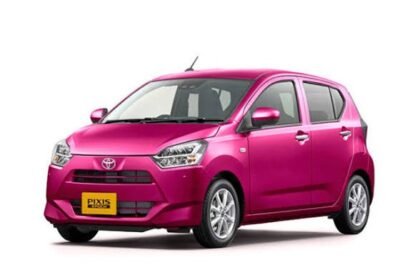

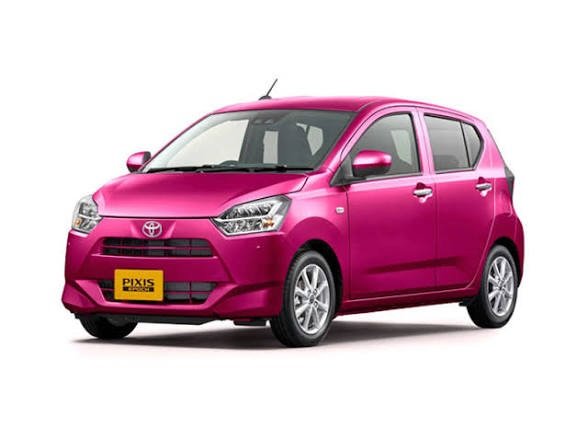
FBR scraps the Personal Baggage scheme, blocks third-country routes, and imposes a one-year resale ban, signalling the end of an era for affordable Japanese car imports.
Key Takeaways:
- Personal Baggage scheme abolished; only Gift and Transfer of Residence routes remain for overseas Pakistanis importing used cars.
- Vehicles must now originate from the importer’s country of residence, closing the Dubai-to-Japan loophole exploited by dealers.
- With a 40% Regulatory Duty still intact and an 850-day wait window, 660cc car prices in Pakistan are set to rise sharply in 2026.
Islamabad, Pakistan – Pakistan’s used car import landscape has been turned on its head. The government has formally notified SRO 61(I)/2026, a sweeping overhaul of vehicle import rules that effectively shuts down the most popular channel for bringing affordable Japanese 660cc cars into the country.
In a recent post on X, PakWheels, Pakistan’s leading automotive platform, highlighted the key changes brought by the new notification, warning that Pakistanis should expect higher prices and a significant drop in 660cc car imports in 2026.
The changes stem from a Federal Cabinet decision that ratified recommendations first tabled by the Economic Coordination Committee (ECC) in December 2025. The ratification aimed to curb the rampant commercial misuse of facilities originally intended for genuine expatriates.
With 90 percent of used car imports made up of 660cc vehicles, SRO 61(I)/2026 does not just reshape policy, it reshapes what Pakistani roads will look like.
What Has Changed?
The most significant blow falls on the Personal Baggage scheme. As reported by PakWheels Blog, this scheme, frequently exploited by commercial dealers, has now been discontinued, and overseas Pakistanis can only utilise the Transfer of Residence (TR) and Gift schemes going forward.
Beyond axing the Baggage scheme, the government has tightened the remaining two options as well. Importers must now register formally and ensure full 3S (sales, service, and spares) support for the vehicles they bring in. A one-year ban on resale has also been introduced, meaning those hoping to quickly flip imported cars for profit will no longer be able to do so.
One of the more impactful changes is the country-of-origin restriction. Under the Transfer of Residence scheme, a vehicle must now come from the country where the applicant has been living, closing the door on sourcing a car from elsewhere along the way. This directly blocks the widely used practice of sourcing vehicles from Japan while being based in Dubai or another Gulf country.
The effective import window now stands at 850 days, and with a 40% Regulatory Duty continuing to apply on used car imports, the cost of bringing in a 660cc vehicle has become considerably steeper.
The Dubai-to-Japan route that quietly fuelled Pakistan’s affordable car market has been officially closed. The bill will be paid at the showroom.
The Scale of the Market
The stakes are enormous. As Dawn reported, 660cc cars accounted for 90 percent of all used car imports into Pakistan, and the import of 40,000 vehicles in the last fiscal year contributed around $500 million to the national exchequer in duties and taxes. Industry representatives have warned the government could forfeit a substantial portion of that revenue under the new restrictions.
Industry Divided
Reactions from the auto sector have been mixed. The decision has created anxiety among overseas Pakistanis and stakeholders in the motor import business.
However, parts manufacturers have taken a different view. According to the same Dawn report, Pakistan Association of Automotive Parts and Accessories Manufacturers Chairman Usman Aslam Malik described the decision as a major step towards restoring the original intent of import schemes for genuine overseas Pakistanis, while safeguarding the local automotive and auto parts industry.
What It Means for Buyers
For middle-income Pakistanis who relied on affordable Japanese kei cars as an alternative to pricier locally assembled options, the impact will be direct. Fewer 660cc vehicles entering the market, combined with higher duties, will reduce supply and push prices upward. The days of a dealer sourcing a batch of used Japanese cars through a creative import route appear to be numbered.