
Pakistan’s towers burn 1.2 billion litres yearly.
Key Takeaways:
- Pakistan’s telecom tower industry is the country’s single largest diesel consumer, burning approximately 1.2 billion litres per year according to the Alternative Energy Development Board, not 350 million litres as has been cited in some social media discussions.
- Switching telecom towers to solar could save hundreds of millions of dollars in foreign exchange annually, at a time when Pakistan’s total energy import bill runs between $16 billion and $18 billion a year.
- Pakistan has already demonstrated that solar-led transitions work at scale, with citizen-driven rooftop solar saving the country over $12 billion in fuel imports since 2020, pointing to a clear model for the telecom sector.
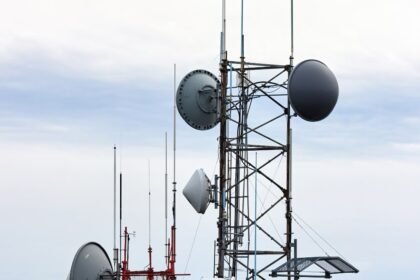
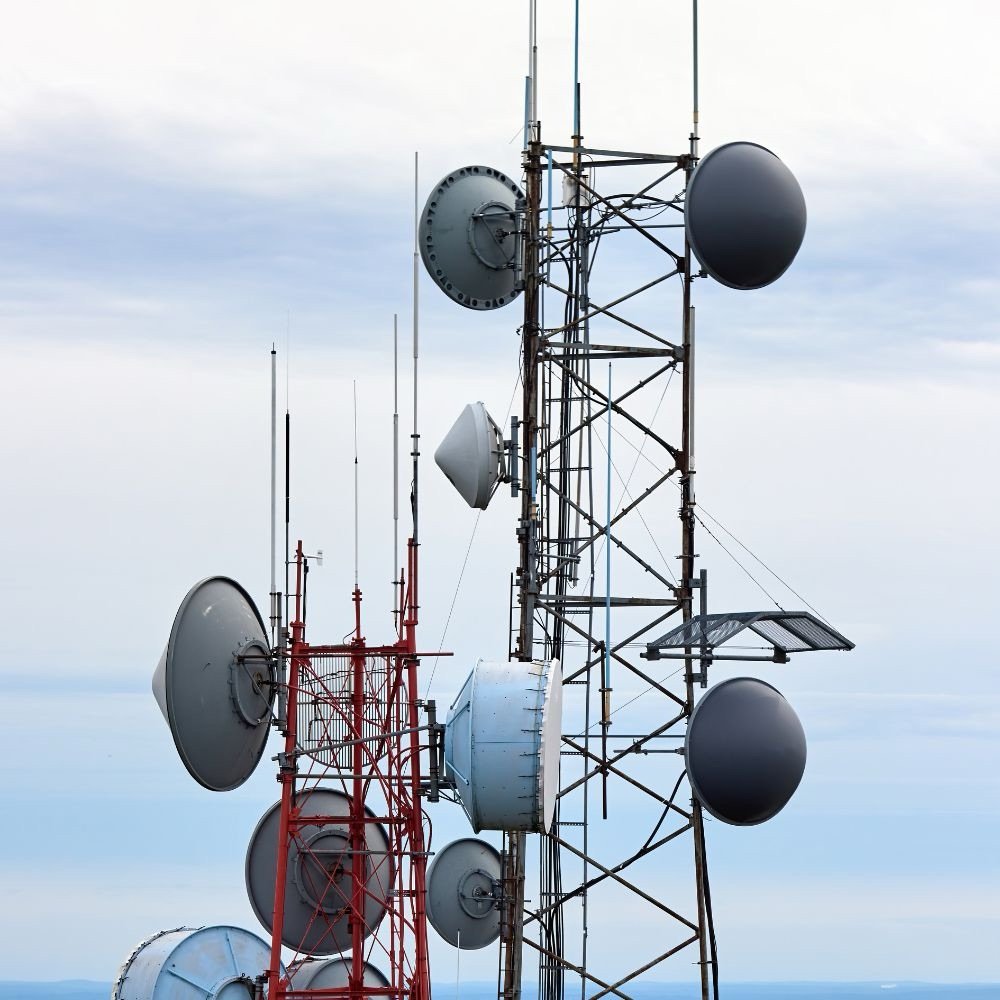
Islamabad, Pakistan – Every time a mobile call connects in Pakistan, there is a good chance a diesel generator somewhere is keeping that signal alive. The country’s telecom tower industry has quietly become the single largest consumer of diesel in Pakistan, burning through fuel on a scale that costs the nation dearly in foreign exchange every year. A social media claim suggesting the figure is 35 crore litres annually actually falls far short of the real number.
The Alternative Energy Development Board (AEDB) has stated that the mobile tower industry has emerged as Pakistan’s largest diesel fuel consumer, using around 1.2 billion litres per year, primarily because of the grid’s severe instability, which makes it necessary to provide uninterrupted telecommunications services to end users. That works out to 120 crore litres annually, more than three times the figure of 35 crore litres that has been circulated in some social media discussions.
The Friday Times reported that a permanent feature of most mobile tower sites across the country is a diesel generator, with the need stemming from the fact that the power infrastructure is unreliable and prone to frequent failures, as was starkly demonstrated when almost half of around 45,000 telecom towers were rendered inoperative during a country-wide power outage due to a lack of fuel.
Pakistan’s telecom towers burn 1.2 billion litres of diesel every year. That is not just a fuel bill. It is foreign exchange walking out the door, one generator tank at a time.
What It Costs the Country
The import cost of that diesel is significant. Pakistan currently imports diesel at roughly $0.75 to $0.80 per litre at international prices, meaning 1.2 billion litres translates to an annual foreign exchange outgo of approximately $900 million to $960 million for the telecom sector alone. Geo.tv has noted that Pakistan’s total energy imports, primarily petroleum products, LNG and related fuels, run at approximately $16 billion to $18 billion annually, making the telecom sector’s diesel bill a meaningful slice of an already strained import account.
The potential savings from switching towers to solar are therefore substantial. If even 70 per cent of tower diesel consumption were replaced by solar and battery storage, Pakistan could conserve roughly $630 million to $670 million in foreign exchange each year. At a time when the country’s reserves remain under pressure, that is not a marginal number.
The Solar Proof of Concept Already Exists
Pakistan does not need to look far for evidence that solar transitions deliver real macroeconomic results. Green Central Banking noted in a detailed report on Pakistan’s energy shift that an analysis by Islamabad-based Renewables First and the Centre for Research on Energy and Clean Air found that since 2020, Pakistan has avoided over $12 billion in oil and gas imports that it would otherwise have needed to meet domestic energy needs, due to its community-led solar expansion, and could save a further $6.3 billion by the end of this year if energy prices remain elevated.
Al Jazeera reported in a feature examining how Pakistan’s solar boom is shielding the economy from the fallout of the Iran war that since 2018, Pakistan’s rooftop solar boom has helped the country save more than $12 billion in fuel imports, and at current market prices this is projected to generate a further $6.3 billion in savings during this year alone.
If ordinary households can trigger $12 billion in fuel import savings through rooftop solar, a structured push to solarise 45,000 telecom towers could save Pakistan close to a billion dollars a year in foreign exchange.
Early Movers and Remaining Hurdles
Some companies have already started. Arab News reported that an AI-powered battery storage project completed alongside Pakistan’s first green sukuk launch for the telecom sector is expected to reduce diesel consumption by more than 5 million litres a year and cut around 13,500 tonnes of CO2 emissions annually, equivalent to planting over 220,000 trees.
ProPakistani reported that EDOTCO has solarised more than 200 mobile towers with a combined capacity of 2 megawatts, with plans to scale that to 5 megawatts, resulting in an estimated annual reduction of around 8,000 tonnes of carbon emissions.
These are promising starts, but 200 towers out of 45,000 is a fraction of what is needed. The industry has long cited a lack of enabling telecom and energy sector policy as the main barrier. If Pakistan’s government can extend the same policy urgency to tower solarisation that it has given to rooftop solar, the foreign exchange arithmetic becomes compelling very quickly.